Sewer Line Repair in Columbia, SC: A Complete Guide
Home »
When Your Sewer Line Needs Help in Columbia, SC
If you’re dealing with sewer line repair in Columbia, SC, here’s what you need to know right away:
Quick Answer: Sewer Line Repair in Columbia, SC
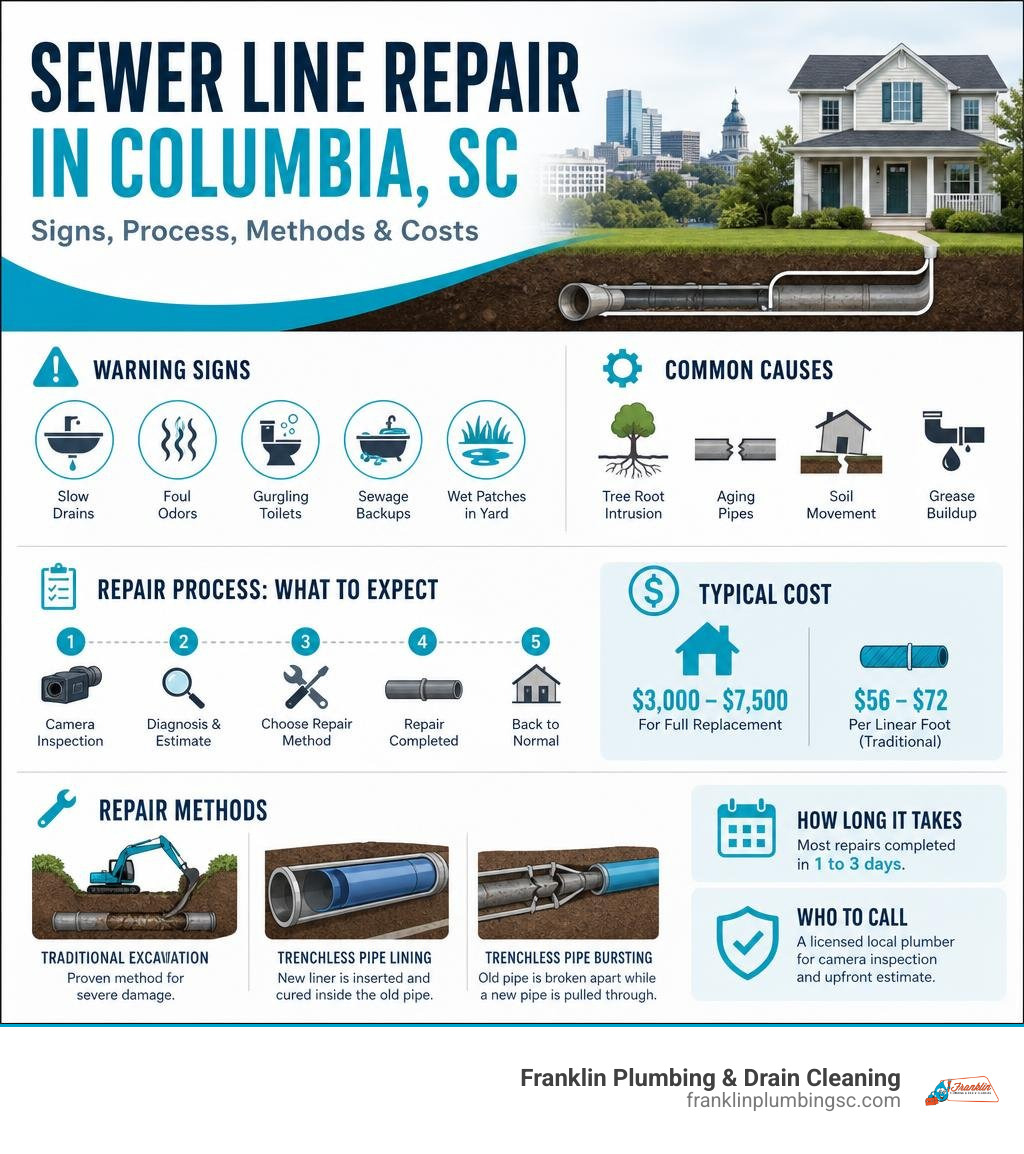
Common sewer line problems often show up as slow drains, foul odors, gurgling toilets, sewage backups, or wet patches in the yard. In Columbia, SC, the main causes are usually tree root intrusion, aging pipes, shifting soil, or grease buildup. Repairs may involve traditional excavation or trenchless options like pipe lining and pipe bursting. Costs vary based on the pipe’s depth, length, and repair method, but many repairs are completed in 1 to 3 days. The best next step is to call a licensed local plumber for a camera inspection and upfront estimate.
Your sewer line does a quiet but critical job every single day. It carries all the wastewater from your sinks, toilets, and showers away from your home and into the municipal system. You never think about it, until something goes wrong.
And when it does go wrong, it rarely gives you much warning.
A slow drain here. A gurgling sound there. Then one morning, sewage is backing up into your bathtub. For homeowners and small business owners in Columbia, SC, a damaged sewer line is one of the most disruptive plumbing problems you can face.
The good news? Most sewer line problems can be fixed faster and with less disruption than you’d expect, especially with modern trenchless repair technology.
This guide walks you through everything you need to know: the warning signs, the causes, the repair options, the costs, and how to protect your sewer line going forward.
Common Signs of Sewer Line Damage
Your main sewer line is buried deep underground, which makes identifying sewer line issues a bit of a guessing game if you do not know what to look for. Fortunately, your plumbing system has its own ways of screaming for help. Catching these signs early can mean the difference between a simple, localized repair and a massive, property-wide cleanout.
One of the most persistent indicators of a compromised line is the behavior of your household drains. If you notice slow drains in your kitchen, bathroom, and utility room all at once, the issue is not a simple hair clog in a single sink. It is a sign of a deeper blockage in the main line.
Another unmistakable warning sign is the sudden presence of foul odors around your property. When a sewer pipe cracks or collapses, sewer gas escapes through the ground and can seep up into your home or linger in your backyard. If you step out onto your patio and notice a distinct smell of sewage, your underground pipes are likely compromised. For more details on what to look for, you can read our guide on identifying compromised sewer lines.
Warning Signs That Point to Sewer Line Repair Columbia SC
- Gurgling Toilets: When you flush the toilet or run water in the sink, do you hear a strange bubbling or gurgling noise coming from your drains? This happens because trapped air cannot escape through the blocked sewer line, forcing it back up through the standing water in your fixtures.
- Sewage Backups: This is the ultimate red flag. If water backs up into your tub or shower when you flush your toilet, or if raw sewage begins to pool in your basement drains, you have a major blockage or structural failure.
- Lush, Wet Patches in the Yard: Is one specific area of your lawn looking exceptionally green, thick, and healthy compared to the rest? While it might look nice, it often means your sewer line is leaking nutrient-rich wastewater directly into the soil. Over time, this area will become soggy, indented, or pool with foul-smelling water.
By paying attention to these warnings, you can protect your property from extensive water damage. Learn more about catching sewer line problems early to save yourself time, money, and a major headache.
What Causes Sewer Line Damage in Columbia, SC?
Sewer lines are built to be durable, but they are not invincible. Over decades, underground pipes are subjected to a constant barrage of environmental and physical stressors. In Columbia, SC, our unique regional characteristics play a major role in how and when these systems fail.
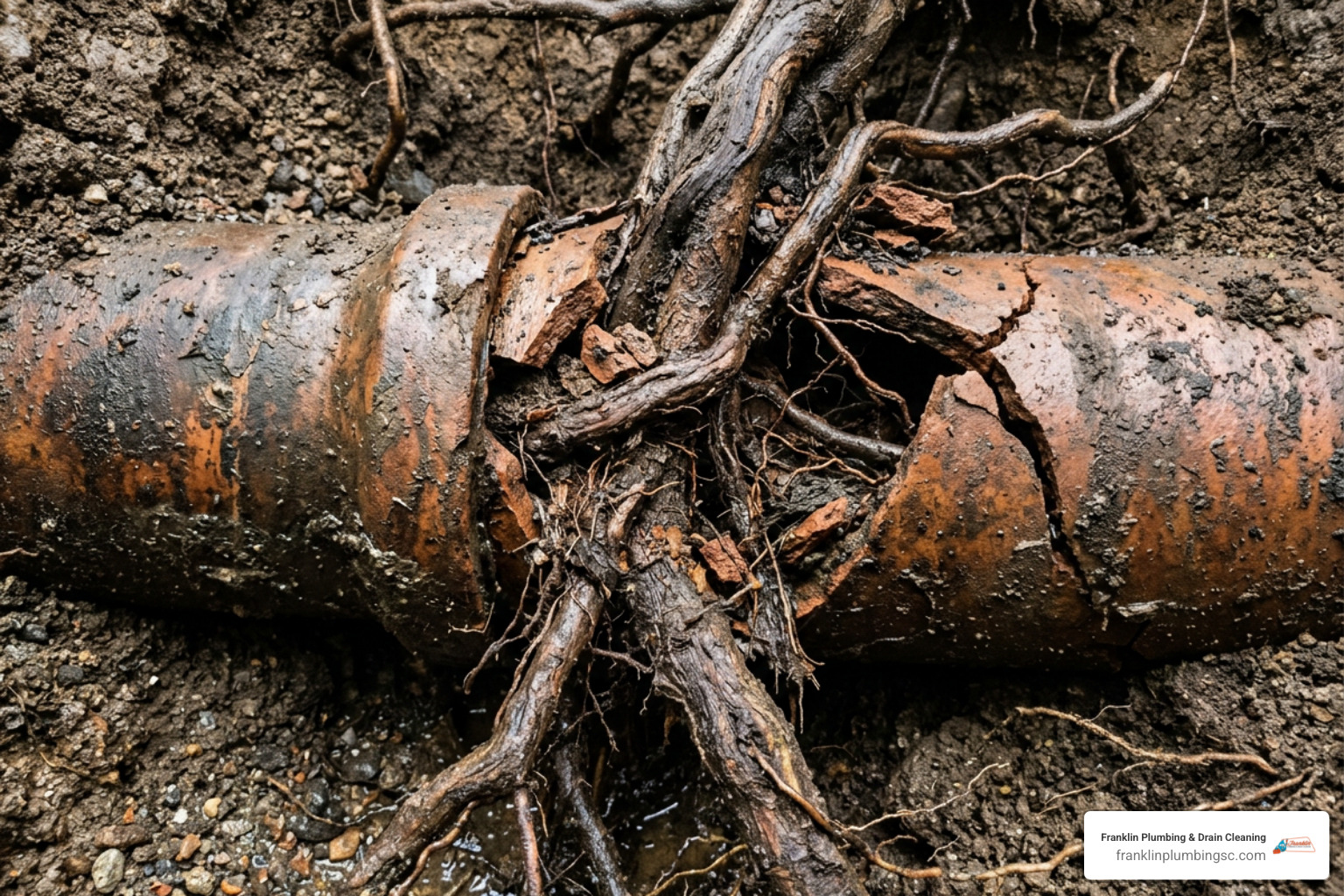
One of the primary culprits is pipe material and age. Many older homes in the historic districts of Columbia, SC, as well as established areas in Cayce, SC and Forest Acres, SC, still rely on legacy clay, cast-iron, or even Orangeburg pipes. Cast-iron pipes are highly susceptible to internal corrosion and rust scale buildup over time, which narrows the pathway for waste. Clay pipes, while resistant to corrosion, are brittle and prone to cracking under physical pressure.
Additionally, the physical ground itself plays a massive role. The unique effects of South Carolina soil can cause significant wear and tear. Our region contains high amounts of clay soil, which expands when wet and contracts when dry. This constant shifting puts immense pressure on underground joints, leading to misalignments and structural cracks.
Tree Root Intrusion and Soil Movement
- Tree Root Invasion: Tree roots are naturally drawn to moisture, warmth, and nutrients, which are exactly what your sewer line provides. Even the microscopic hairline crack in an older clay or cast-iron joint is enough to let a tiny root tip inside. Once inside, the root grows rapidly, feeding on the wastewater and eventually filling the entire diameter of the pipe. This creates a stubborn barrier that catches grease, toilet paper, and debris, leading to frequent backups.
- Soil Movement and Shifting Ground: Heavy rains, seasonal droughts, and nearby construction can cause our South Carolina clay soil to shift. When the earth moves, it can cause buried pipes to sag, creating a belly in the line where water and debris pool, or it can shear the pipe completely.
Sewer Line Repair Columbia SC: Traditional vs. Trenchless Methods
When you find out that you need sewer line repair in Columbia, SC, your first thought might be of a massive yellow excavator tearing up your carefully manicured lawn, destroying your driveway, and leaving a giant trench through your property. While that traditional approach is still necessary in some scenarios, modern plumbing technology offers a much less invasive alternative.
At Franklin Plumbing & Drain Cleaning, we specialize in evaluating your unique situation to determine whether traditional excavation or advanced trenchless technology is the best fit for your home. You can read more about our comprehensive sewer repair services to see how we tailor our solutions to your property.
Traditional Excavation Methods
Traditional sewer repair involves physically digging a trench directly along the path of the damaged pipe. This method requires heavy machinery and can take several days to complete, especially if the pipe runs beneath a concrete driveway, patio, or mature landscaping.
While traditional excavation is highly disruptive, it remains the most reliable option for fully collapsed pipes, severely sagged lines, or pipes with extreme tree root damage that cannot support a liner.
Trenchless Sewer Repair Technologies
Trenchless sewer repair is a modern, no-dig alternative that addresses pipe damage from the inside out. Instead of excavating your entire yard, technicians only need to dig one or two small access points.
The most common trenchless method is cured-in-place pipe (CIPP) lining. During this process, a flexible sleeve coated with a specialized epoxy resin is pulled through your existing damaged pipe. Once in place, the liner is inflated and allowed to cure, creating a brand-new, seamless, and incredibly durable pipe within your old one.
Another popular option is pipe bursting, where a new high-density polyethylene pipe is pulled directly through the old, damaged pipe, breaking the old pipe outward as it goes.
Traditional excavation usually creates more yard disruption because it requires digging a long trench to reach the damaged pipe, while trenchless repair methods like CIPP lining or pipe bursting typically need only one or two small access holes. Excavation often takes about 3 to 7 days, compared with 1 to 3 days for many trenchless projects. Both options can provide a 50+ year lifespan, depending on the pipe material and repair method, though trenchless solutions are often highly resistant to root intrusion and corrosion. Cost can vary, too: traditional excavation may have lower upfront labor costs but higher expenses for restoring landscaping, driveways, or hardscaping, while trenchless repair often has a higher technology cost upfront but can reduce or eliminate major landscape restoration costs.
What to Expect During the Inspection and Repair Process
If you have never dealt with a major plumbing repair, the process can feel overwhelming. Understanding what happens behind the scenes can demystify the project and give you peace of mind.
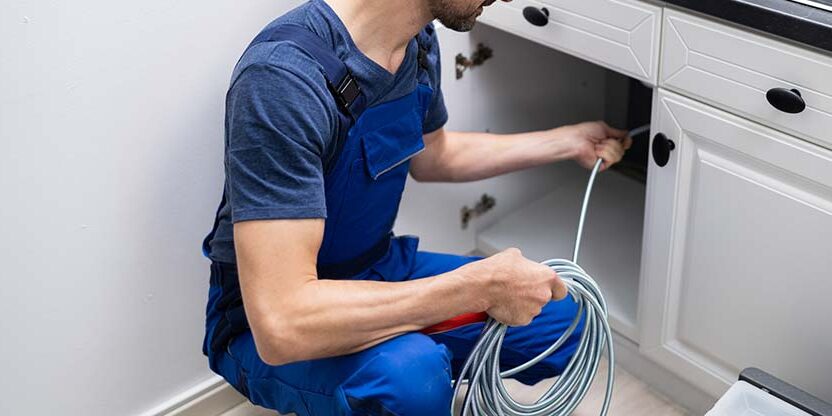
The first step in any professional sewer service is always a thorough diagnostic assessment. We never guess what is happening underground. Instead, we use state-of-the-art technology to get a clear view of the interior of your pipes, ensuring we recommend the exact right solution for restoring a house’s sewer system safely and effectively.
Camera Inspections and Diagnostics
To pinpoint the exact location and cause of your sewer line issues, we perform a high-definition video camera inspection. We insert a flexible, waterproof fiber-optic camera into your sewer cleanout.
As the camera travels through the line, it transmits real-time footage to a monitor. This allows our licensed technicians to see exactly where tree roots have invaded, where joints have separated, or if there is a structural collapse. This process eliminates guesswork and allows us to provide an accurate, upfront repair estimate.
Project Timelines and Yard Restoration
The overall timeline of your sewer repair depends largely on the method chosen. Trenchless repairs are incredibly fast, often completed in just 1 to 2 days. Traditional excavation may take 3 to 5 days, depending on the depth of the pipe and the complexity of the dig.
Before any excavation or trenchless work begins, we locate all underground utility lines on your property, including gas, water, and electrical lines. This prevents accidental damage and ensures a safe working environment. Once the repair is complete, we backfill the access points and leave your yard as clean and tidy as possible, so you can get back to your normal routine.
Cost Factors and Budgeting for Sewer Services
The cost of sewer line work is a common concern for homeowners. Because every property is unique, the final price of a repair or replacement depends on several variables. These include the depth of the pipe, its overall length, the location of the damage, and the repair method used.
When planning for these expenses, it is helpful to look at the big picture. We recommend reading our guide on budgeting for sewer repairs to understand the various structural and labor factors that influence your final estimate.
The Cost of Professional Sewer Line Repair Columbia SC
In Columbia, SC, the cost of professional sewer services can vary depending on several factors, including the depth and length of the pipe. While minor blockages might only require a straightforward cleaning, a full sewer line replacement is a more significant investment.
Traditional trench methods are typically priced per linear foot, while trenchless options may have different upfront costs due to the specialized equipment and epoxy resins used. However, trenchless methods often save homeowners money in the long run by eliminating the need to restore expensive landscaping, driveways, or retaining walls. If you are unsure whether your pipe can be saved with a simple repair, knowing when to replace your sewer line is an important step in evaluating the age and condition of your system.
Insurance Coverage and Local Programs
A common question we hear is whether homeowners insurance covers sewer repairs. Standard policies typically do not cover repairs for wear and tear, age-related corrosion, or tree root intrusion. However, if your sewer line backs up suddenly and causes water damage inside your home, your policy may cover the cost of the cleanup and property restoration, though not the repair of the pipe itself.
To protect yourself, check if your insurance provider offers a service line rider. This is an inexpensive add-on to your homeowner’s policy that specifically covers the repair or replacement of underground utility lines, including your sewer and water pipes.
How to Prevent Future Sewer Line Issues
The best way to handle a sewer line emergency is to prevent it from happening in the first place. With a few simple adjustments to your daily habits and a commitment to routine maintenance, you can extend the life of your plumbing system by decades.
Taking care of your drains is not just about avoiding immediate clogs; it is about protecting the structural integrity of your entire system. For practical steps you can implement today, take a look at our essential sewer line maintenance tips.
Best Practices for Homeowners
Your drains are designed to handle only water, human waste, and toilet paper. Unfortunately, many household items that are marketed as flushable do not break down in water and can quickly catch on pipe imperfections, leading to major blockages. According to the U.S. Environmental Protection Agency, keeping household hazardous waste and non-biodegradable items out of your drains protects both your home’s plumbing and the local environment.
- Avoid Flushing Non-Flushables: Never flush baby wipes, makeup wipes, paper towels, tissues, feminine hygiene products, cotton swabs, or dental floss down your toilets.
- Keep Grease Out of the Kitchen Sink: Liquid grease, cooking oil, and butter might wash down your drain easily with hot water, but they quickly cool and solidify inside your underground sewer pipes. Over time, this grease forms a thick, rock-hard barrier that catches other debris. Always pour grease into a disposable container and throw it in the trash.
- Be Mindful of Landscaping: Avoid planting fast-growing trees or large shrubs directly over the path of your sewer line. If you do have trees near your line, consider consulting with a professional to choose species with non-invasive root systems.
If you are currently experiencing slow drains or suspect a recurring issue, reaching out for professional sewer line solutions can help you address small problems before they turn into major emergencies.
Professional Maintenance and Inspections
Just like your HVAC system or your car, your home’s sewer line benefits immensely from routine professional checkups. Scheduling an annual sewer camera inspection allows a plumber to catch minor issues, like early root intrusion or joint misalignment, before they cause a backup.
If your pipes have significant scale or grease buildup, we may recommend professional hydro jetting. This process uses high-pressure water to scour the interior walls of your pipes, removing grease, debris, and tree roots without damaging the pipe itself. Investing in these professional plumbing services is the single best way to ensure the long-term health of your home’s infrastructure.
Frequently Asked Questions About Sewer Line Repair
How do I know if my sewer line is clogged or broken?
A simple clog is usually localized to one fixture, like a single clogged toilet or kitchen sink. A broken or structurally failed sewer line will affect multiple fixtures throughout your home simultaneously. If you notice water backing up into your shower when you run the washing machine, or if you hear gurgling sounds from multiple drains, the issue is likely a main sewer line break or a severe main line blockage.
How much does sewer line replacement cost in Columbia, SC?
The cost of a complete main sewer line replacement in Columbia, SC can vary depending on several factors, including the length of the pipe, its depth underground, and whether traditional excavation or trenchless replacement methods are used. Homeowners should request a professional estimate for accurate pricing tailored to their specific property.
How long does a typical sewer line repair take?
The duration of the project depends on the repair method. Trenchless repairs, such as cured-in-place pipe lining, are highly efficient and are usually completed in 1 to 2 days. Traditional excavation methods, which require digging a trench and coordinating utility locates, typically take 3 to 5 days.
Is trenchless sewer repair better than traditional excavation?
In most cases, yes. Trenchless repair is faster, causes virtually no damage to your yard, driveways, or landscaping, and uses seamless materials that are highly resistant to future tree root intrusion. However, if a pipe has completely collapsed or has a severe sag, traditional excavation may be the only viable option.
Does homeowners insurance cover sewer line repair?
Standard homeowners insurance policies typically do not cover sewer line repairs caused by normal wear and tear, age, or tree root intrusion. However, many insurance companies offer an optional “service line rider” that can be added to your policy for a low monthly fee to cover these exact repairs.
Can tree roots grow back after sewer line repair?
If your sewer line was repaired using traditional methods and the joints were not sealed perfectly, tree roots can eventually find their way back inside. However, trenchless pipe lining creates a single, continuous, seamless pipe with no joints, making it virtually impossible for tree roots to penetrate in the future.
What is a sewer camera inspection?
A sewer camera inspection involves inserting a high-definition, waterproof camera attached to a flexible cable into your sewer line. This allows a technician to view the interior of your pipes in real time, pinpointing the exact location and cause of any clogs, cracks, or root intrusions.
How long do trenchless sewer repairs last?
Modern trenchless sewer repairs, such as CIPP lining and pipe bursting, use high-density materials designed to last for 50 years or more. These materials are highly durable and are impervious to rust, corrosion, and root intrusion.
What should I avoid flushing to protect my sewer line?
To protect your sewer line, only flush human waste and toilet paper. Avoid flushing baby wipes, “flushable” wipes, paper towels, feminine hygiene products, dental floss, cotton balls, and hair. In the kitchen, never pour grease, cooking oils, or food scraps down the drain.
Can a sewer line be repaired in the winter in Columbia, SC?
Yes, sewer lines can be repaired year-round in Columbia, SC. While frozen ground can make traditional excavation slightly more challenging in extremely cold climates, our mild South Carolina winters rarely present an obstacle for either traditional or trenchless repairs.
Conclusion
Dealing with a damaged sewer line can be stressful, but you do not have to handle it alone. Whether you are dealing with a stubborn clog, tree root intrusion, or an aging pipe that needs a complete replacement, the key to a successful repair is working with a team you can trust.
At Franklin Plumbing & Drain Cleaning, we are proud to serve homeowners and businesses throughout Columbia, SC, and surrounding areas like West Columbia, SC, Lexington, SC, Irmo, SC, and Blythewood, SC. As a licensed, local, family-owned plumbing company, we back our work with a 100% satisfaction guarantee. Our experienced technicians use state-of-the-art camera diagnostics and modern repair methods to restore your plumbing system quickly, affordably, and with minimal disruption to your daily life.
Whether you need fast sewer line repairs, routine maintenance, or a professional camera inspection, the team at Franklin Plumbing & Drain Cleaning is ready to help. Schedule your professional sewer line service today to keep your home running smoothly.

professional
drain cleaning

highly
recommended

through
repairs

quality
work