Sewer Backup in Your Home? The First 5 Steps to Take
Home »
What to Do When You Have a Sewer Backup: The Fast Answer
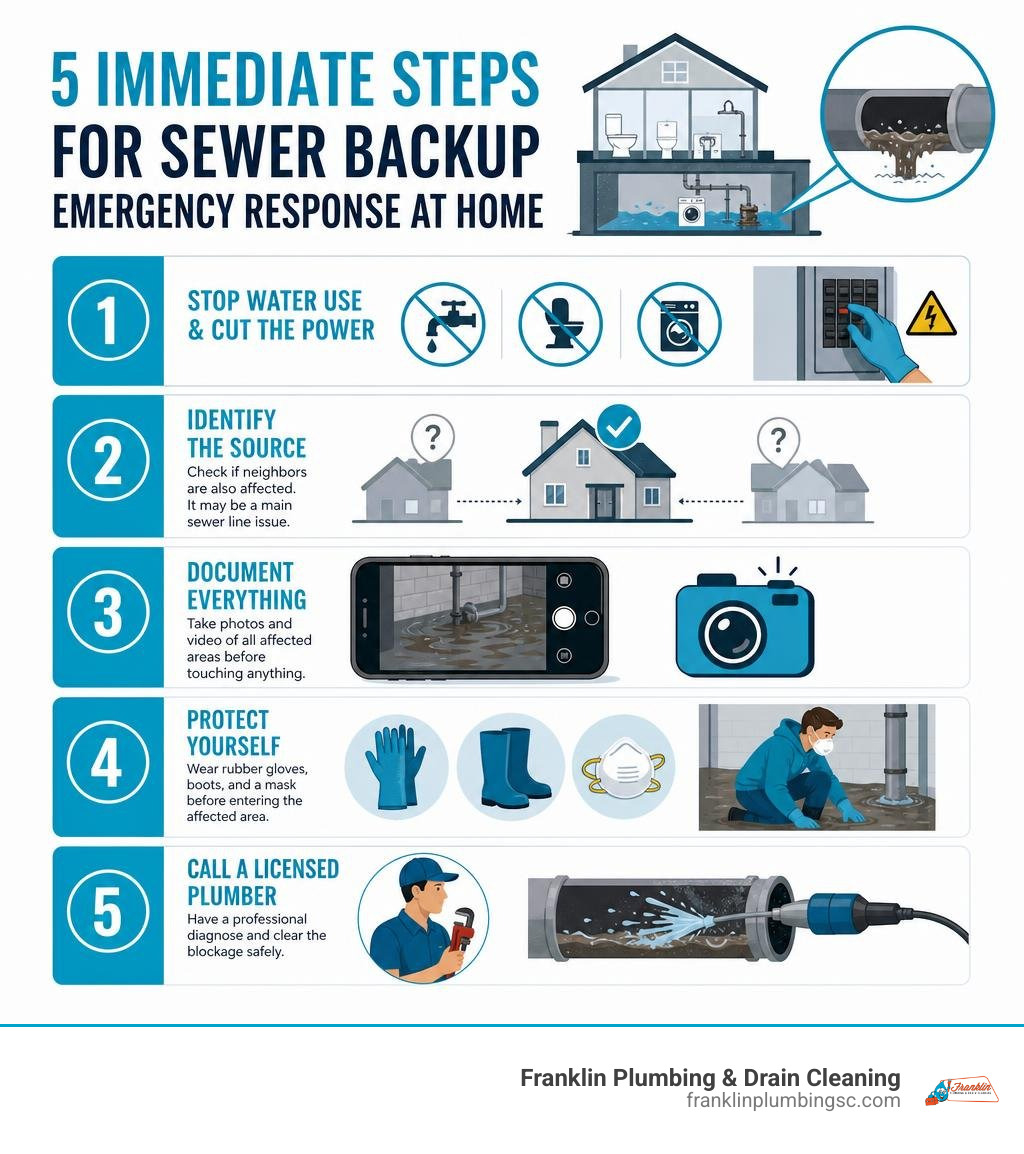
If you’re dealing with a sewer backup what to do situation right now, here are the five most important steps to take immediately:
- Stop all water use in your home and shut off electricity to affected areas if sewage is near outlets.
- Identify the source by checking if neighbors are also affected (which may mean a city main line issue).
- Document everything with photos and video before touching anything.
- Protect yourself with rubber gloves, boots, and a mask before entering the affected area.
- Call a licensed plumber to diagnose and clear the blockage safely.
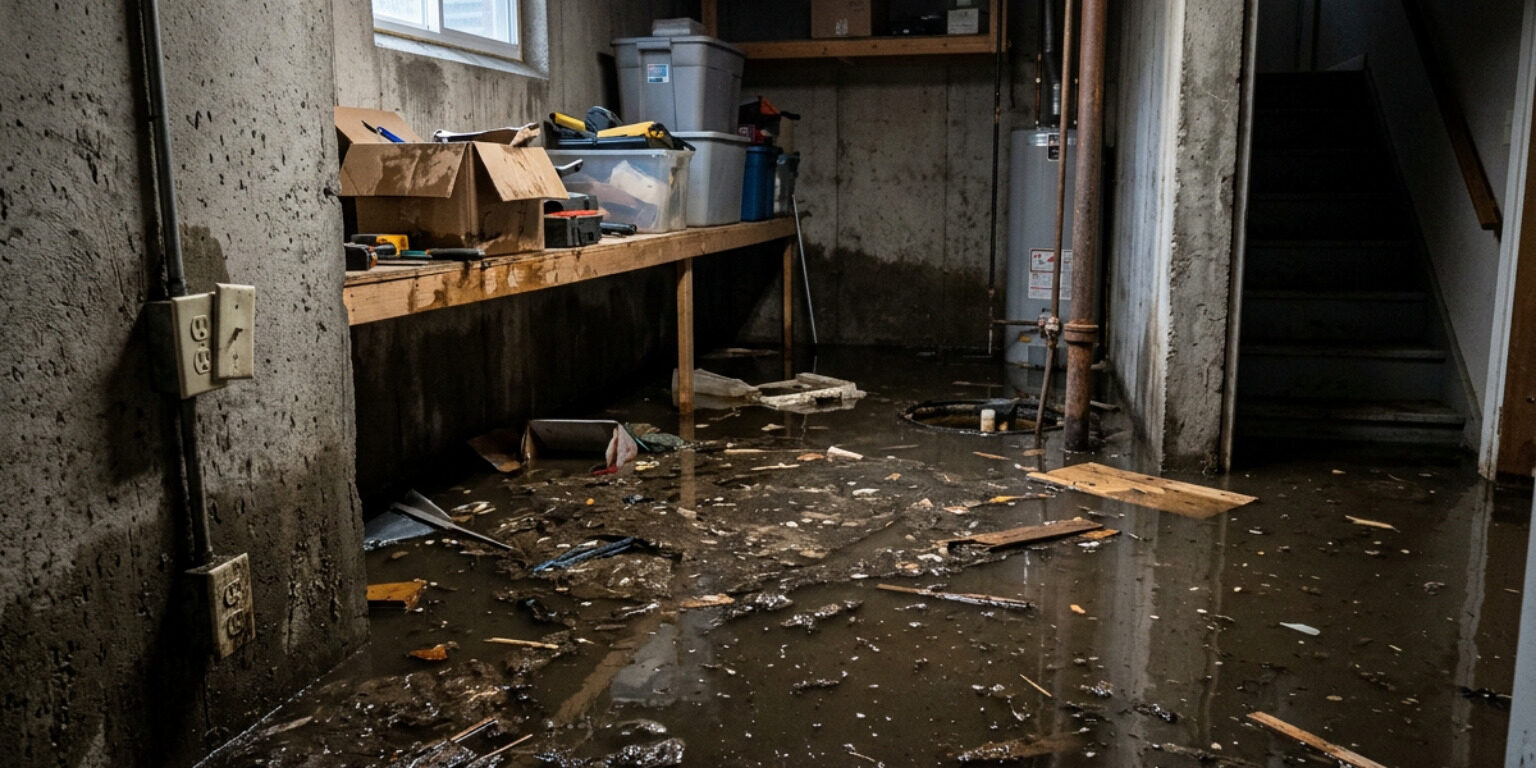
Sewer backups are one of the most stressful emergencies a homeowner can face. Raw sewage in your home isn’t just a mess. It’s a genuine health hazard, a potential insurance headache, and a source of serious structural damage if not handled quickly.
And they’re becoming more common. Sewer line backups are rising at roughly 3% per year as aging pipes across the country struggle to keep up with growing demand.
The good news? Knowing exactly what to do in the first few minutes can make a huge difference. Acting fast limits the damage, protects your family’s health, and puts you in a much stronger position when it’s time to deal with cleanup costs and insurance claims.
This guide walks you through the first five steps to take the moment a sewer backup hits your home.
Step 1: Stop Water Use and Cut the Power
The absolute first rule of a sewer backup is simple: stop adding water to the problem. When your main sewer line is blocked, any water you send down any drain in your house has nowhere to go. It will simply take the path of least resistance, which usually means bubbling up through your basement floor drains, ground-floor toilets, or shower stalls.
Do not flush the toilets. Do not run the dishwasher or washing machine. Avoid turning on any faucets. If you have guests or children in the house, make sure everyone knows that the plumbing is temporarily out of service. If you suspect the leak or backup is continuous, locate your main water shutoff valve and turn it off completely to prevent accidental water usage.
Your next immediate concern is safety. Standing water and electricity are a deadly combination. If the backed-up wastewater has reached or is approaching electrical outlets, baseboard heaters, plug-in appliances, or your electrical panel, do not walk into the standing water.
If you can safely access your electrical panel without stepping into any wet areas, shut off the breakers for the affected zones of your home. If you cannot reach the panel safely, contact your local utility company immediately to shut off power to your home from the outside.
Taking these steps quickly prevents catastrophic electrical shocks and stops the volume of sewage from growing. Once the immediate hazards are controlled, you can start looking for the common signs of compromised sewer lines to understand what might be happening deep within your pipes.
Step 2: Determine the Source of the Blockage
Before you can solve the problem, you need to know who is responsible for fixing it. Sewer systems are divided into two main parts: your private lateral line and the public sewer main.
- The Private Lateral: This is the sewer pipe that runs from your home’s foundation to the municipal main line under the street. As the homeowner, you are legally and financially responsible for maintaining, clearing, and repairing this line.
- The Public Sewer Main: This is the large pipe managed by your local municipality, such as the utility departments in Columbia, SC, or Lexington, SC. The city is responsible for maintaining this main line.
To determine where the blockage lies, start by checking with your immediate neighbors. If you live in a neighborhood like Forest Acres, SC, or Irmo, SC, and your neighbors are experiencing slow drains or sewage backups at the exact same time, the culprit is likely a clogged or overwhelmed municipal sewer main.
If your neighbors’ plumbing is working perfectly, the issue is almost certainly isolated to your private lateral line. Common causes of private lateral blockages include tree root intrusion, heavy grease accumulation, or structural pipe failure.
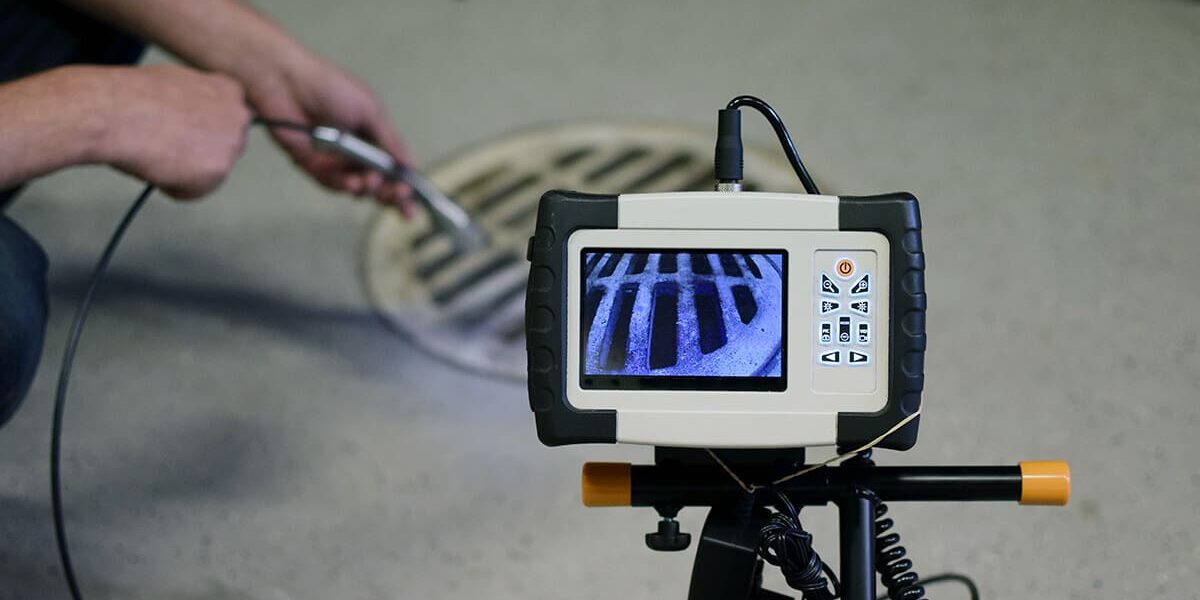
To pinpoint the exact cause and location of the clog, professional plumbers use a specialized sewer camera that travels through your pipes to provide a real-time video feed of the interior. This high-tech diagnostic tool removes all the guesswork, allowing us to see exactly where the pipe is broken, collapsed, or blocked by stubborn roots.
Step 3: Document the Damage for Insurance Claims
Once the immediate danger is managed and you have stopped the flow of water, it is time to build your case for insurance. Do not begin cleaning up or throwing away damaged belongings until you have thoroughly documented the scene.
Grab your phone and take clear, high-resolution photos and videos of the entire affected area. Document the level of the standing water, the points of entry (such as floor drains or toilets), and any damaged property. Be sure to take close-up shots of high-value items, structural materials like drywall and baseboards, and any furniture that has come into contact with the wastewater.
Write down a detailed inventory of every single item that was damaged or ruined. Include brand names, estimated values, and approximate purchase dates if you remember them. Keep all physical receipts for emergency plumbing services, cleanup equipment rentals, or professional restoration services.
This documentation is vital because standard homeowners insurance policies typically do not cover sewage backups automatically. Most policies require a specific add-on known as a sewer backup rider or water backup endorsement.
Additionally, if the backup was caused by an issue with the municipal system, you may need to file a formal claim with your local government utility. For instance, residents can monitor local reports and guidelines regarding City of Columbia Sanitary Sewer Overflows to see if a public system failure contributed to their property damage.
Step 4: Understand Sewer Backup What to Do for Safe Cleanup
When it comes to a sewer backup what to do guidelines, personal safety must be your top priority. Wastewater is classified as Category 3 water, commonly referred to as black water. This means it is highly contaminated with unsanitary pathogens, harmful bacteria, viruses, and parasites that can cause severe illnesses, skin infections, and gastrointestinal distress.
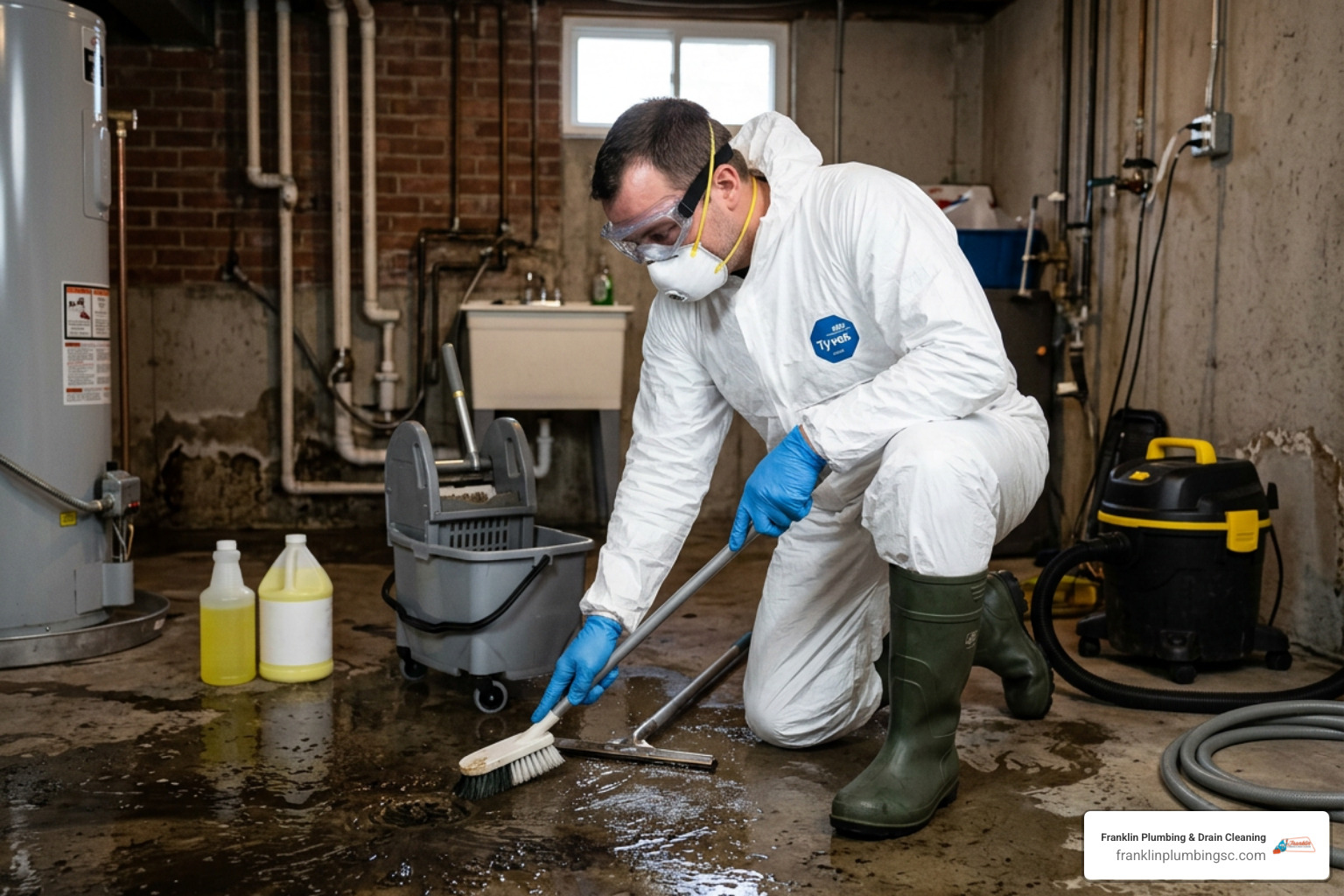
If you must enter the area to salvage irreplaceable items or begin the initial cleanup, you must wear proper personal protective equipment (PPE). This includes:
- Heavy-duty, waterproof rubber gloves
- Thick rubber boots that can be washed and sanitized afterward
- Protective eyewear or goggles to guard against splashes
- An N95 respirator mask to avoid inhaling toxic gases, mold spores, or airborne pathogens
Keep children, pets, and anyone with a compromised immune system completely away from the contaminated area. If you have any open cuts, wounds, or scrapes, do not allow them to come into contact with the wastewater. If you accidentally touch the water, wash the area immediately with antibacterial soap and warm water.
For most homeowners, attempting a complete DIY cleanup of a major sewage backup is not recommended. The risks of cross-contamination and long-term structural damage are simply too high. Professional restoration teams and experienced plumbers have the specialized training and heavy-duty extraction equipment required to handle sewer repair Columbia SC and sanitization safely and effectively.
Step 5: Disinfect the Area and Prevent Mold Growth
After the standing water has been professionally extracted or pumped out, the real work of sanitizing and drying begins. Any hard, non-porous surfaces that came into contact with the sewage, such as concrete floors, tile, and metal fixtures, must be thoroughly disinfected.
Start by washing these surfaces with hot water and a heavy-duty detergent. Once clean, apply a powerful disinfecting solution, such as one part household chlorine bleach mixed with ten parts water. Let the solution sit on the surfaces for at least ten minutes to ensure all bacteria and viruses are completely destroyed. Never mix bleach with ammonia-based cleaners, as this creates highly toxic, dangerous fumes.
Porous materials are a different story. Items like carpet padding, upholstered furniture, mattresses, cardboard boxes, stuffed animals, and stuffed toys cannot be fully sanitized after exposure to black water. They must be safely bagged and discarded in accordance with local waste disposal regulations. If drywall, insulation, or baseboards have absorbed sewage, they must be cut out and removed at least several inches above the high-water mark.
Once everything is cleaned and sanitized, you must dry the space as quickly as possible. Mold and mildew can begin growing within 24 to 48 hours of water exposure. Open windows and vents to improve airflow if the weather is dry, and run heavy-duty dehumidifiers and high-velocity air movers continuously.
To keep your plumbing system operating smoothly and avoid future emergencies, review these essential sewer line maintenance tips to protect your home year-round.
Long-Term Solutions to Prevent Future Sewer Backups
Dealing with a sewer backup once is more than enough for any homeowner. Fortunately, there are highly effective, long-term preventative measures you can take to make sure it never happens again.
One of the best lines of defense is a backwater valve. Also known as a backflow preventer, this device is installed directly onto your private sewer lateral line. It features a one-way flap that allows wastewater to exit your home but automatically swings shut if sewage begins flowing backward from the municipal main line. This simple valve can save you thousands of dollars in future cleanup costs.
Another critical preventative step is managing what goes down your drains. Never pour fats, oils, or grease (FOG) down your kitchen sink. While grease might look like a harmless liquid when hot, it cools inside your sewer pipes, solidifying into rock-hard blockages over time.
Consider this shocking statistic: just one quart of oil has the potential to contaminate two million gallons of water. Scraping food scraps into the trash and recycling cooking oil at a local collection center protects both your home and the local environment.
Lastly, be mindful of tree root management. Tree roots naturally seek out moisture and nutrients, drawing them directly to the tiny cracks or joints in your underground clay or cast-iron sewer pipes. Once inside, they grow rapidly, creating a dense web that catches waste and causes massive blockages.
If you live in an older home in West Columbia, SC, or Cayce, SC, learning how to know when to replace your sewer line can help you upgrade to modern, root-resistant PVC piping before an expensive disaster occurs.
Frequently Asked Questions About Sewer Backups
What is the very first sewer backup what to do step?
The absolute first step is to stop using all water in your home. Do not flush toilets, run faucets, or operate appliances like dishwashers and washing machines. This prevents more wastewater from piling on top of the existing backup.
How do I know if the sewer backup is my responsibility or the city’s?
If your neighbors are experiencing the exact same backup, the issue is likely a clog in the city’s main sewer line, making it the municipality’s responsibility. If the backup is isolated to your home, the blockage is in your private lateral line, which is your responsibility to repair.
Does standard homeowners insurance cover sewer backup damage?
No, standard homeowners insurance policies typically do not cover sewage backups. To get coverage, you must purchase a specific sewer backup rider or water backup endorsement as an add-on to your existing policy.
What are the health risks of exposure to raw sewage?
Raw sewage, or black water, contains dangerous pathogens, bacteria (such as E. coli and Salmonella), viruses (such as Hepatitis A), and parasites. Exposure can cause severe gastrointestinal illness, skin infections, rashes, and respiratory issues.
How do professionals handle a sewer backup what to do process?
Professional plumbers and restoration specialists use commercial-grade pumps to extract standing water, perform camera inspections to find the clog, clear the blockage using hydro-jetting or root-cutting tools, and use EPA-approved disinfectants to sanitize the structure.
Can I use chemical drain cleaners to clear a sewer backup?
No, you should never use chemical drain cleaners to clear a main sewer line backup. These harsh chemicals rarely clear major blockages, can severely corrode and damage your pipes, and pose a serious chemical burn hazard to the plumbers working on your line.
How long does it take for mold to grow after a sewage backup?
Mold can begin to germinate and grow on wet surfaces within 24 to 48 hours of water exposure. This is why rapid water extraction, thorough drying, and dehumidification are so critical immediately after a backup.
What items should never be flushed to prevent sewer line blockages?
You should only flush human waste and toilet paper. Never flush baby wipes, flushable wipes, paper towels, feminine hygiene products, cotton swabs, dental floss, or diapers, as these materials do not break down and will clog your pipes.
What is a backwater valve and how does it prevent backups?
A backwater valve is a mechanical device installed on your sewer lateral line. It contains a one-way flap that allows waste to flow out of your home but seals shut if wastewater tries to back up from the city main line into your drains.
When should I call a professional plumber in Columbia, SC?
You should call a professional plumber immediately if you have multiple slow drains, hear gurgling sounds from your toilets, smell sewage in your home, or see wastewater bubbling up from your basement floor drains.
Conclusion
A sewer backup is a stressful, messy emergency, but taking the right steps in the first few hours can save your home from devastating damage. By stopping water use, cutting the power, documenting the scene, wearing proper protective gear, and calling in local experts, you can navigate this household crisis safely and efficiently.
Whether you are dealing with a sudden emergency in Lexington, SC, or want to protect your home in Blythewood, SC, with preventative maintenance, we are here to help. Our team of licensed, experienced technicians offers a 100% satisfaction guarantee on every job we perform.
If you are currently facing a sewer emergency or want to inspect your underground pipes, do not wait for the damage to spread. Contact the experienced team at Franklin Plumbing & Drain Cleaning today to schedule professional sewer repair services and restore safety and comfort to your home.

professional
drain cleaning

highly
recommended

through
repairs

quality
work