Signs of a Hidden Water Leak: 9 Clues Most Homeowners Miss
Home »
Why the Signs of a Hidden Water Leak Are So Easy to Miss
The signs of a hidden water leak are often quiet, slow, and easy to dismiss — until the damage is anything but.
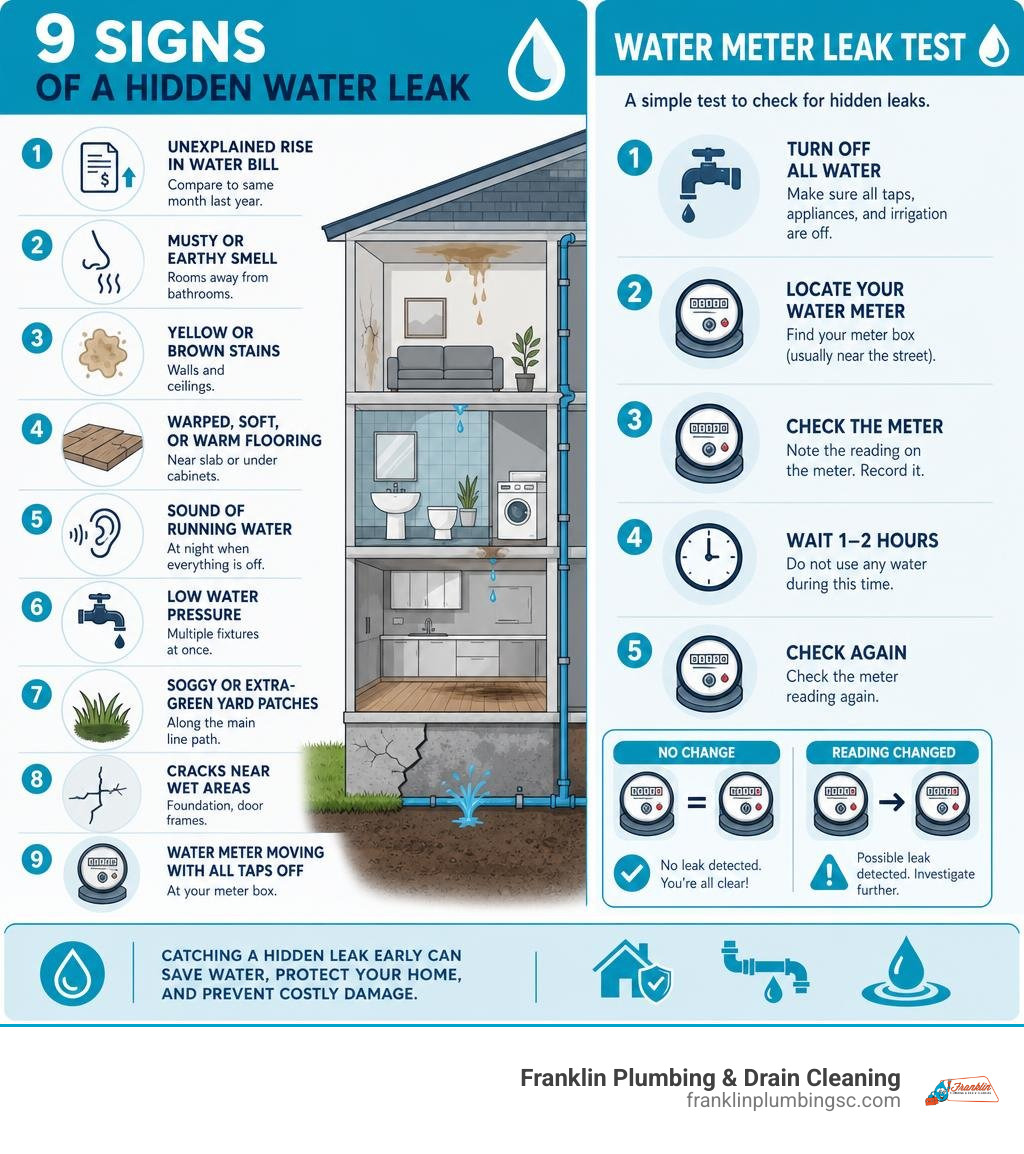
Here are the most common warning signs to look for right now:
| Sign | Where to Look |
|---|---|
| Unexplained rise in water bill | Compare to same month last year |
| Musty or earthy smell | Rooms away from bathrooms |
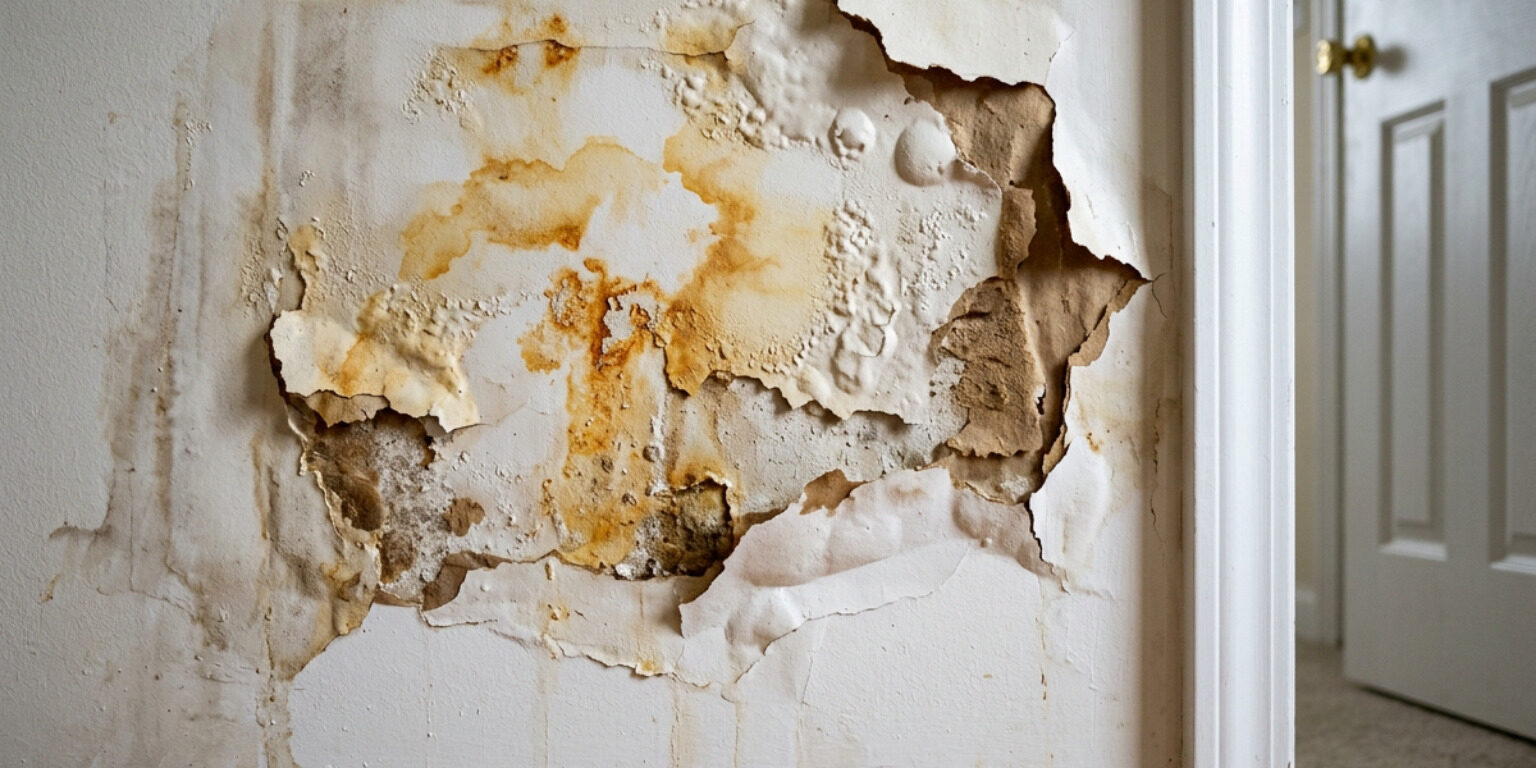
| Yellow or brown stains | Walls and ceilings |
| Warped, soft, or warm flooring | Near slab or under cabinets |
| Sound of running water | At night when everything is off |
| Low water pressure | Multiple fixtures at once |
| Soggy or extra-green yard patches | Along the main line path |
| Cracks near wet areas | Foundation, door frames |
| Water meter moving with all taps off | At your meter box |
Most homeowners don’t notice a hidden leak until it’s already caused real damage. A dripping tap is obvious. A slow leak inside a wall, under a slab, or beneath your yard? That can go undetected for months.
According to the EPA, the average household wastes more than 10,000 gallons of water per year from leaks alone. And 10% of homes are leaking 90 gallons or more every single day.
The real danger isn’t just the wasted water or the higher bill. It’s what happens silently in the background — mold can begin growing inside wet drywall within 24 to 48 hours, and structural timber starts to rot once moisture levels climb past 20%. By the time you see the stain on the ceiling, the damage behind it may already be significant.
This guide covers the 9 most overlooked signs of a hidden leak, how to test for one yourself, and when to call a professional before a small problem becomes a costly repair.
Visible vs. Hidden Leaks: Why Invisible Water is a Silent Threat
To understand why a hidden leak is so dangerous, we have to look at how water behaves once it escapes a pipe. When a pipe burst occurs in plain sight, you turn off the main valve and call us immediately. But when a pinhole leak develops in a copper line behind your plasterboard or under your concrete slab, it acts as a “slow-motion disaster.”
Water travels through building materials via capillary action—essentially defying gravity to climb upward and outward through drywall, insulation, and wood framing. In these dark, unventilated cavities, moisture accumulates quickly.
According to professional restoration standards and guides, mold spores require only 24 to 48 hours of moisture exposure to begin germinating. Even worse, if structural timber remains damp and its moisture content exceeds 20%, it becomes highly susceptible to wet rot, which permanently compromises the structural integrity of your home.
Sometimes, hidden leaks start with problems you might not suspect, like water pressure that is too high. If you want to see how that extra force wears on joints, valves, and pipes over time, here’s a simple breakdown of why high water pressure can damage your plumbing.
Plumbing Leaks vs. Roof Leaks: How to Tell the Difference
When a stain appears on your ceiling or upper wall, it can be tough to know whether to call a plumber or a roofer. Here is how to distinguish between the two:
A plumbing leak usually keeps dripping or spreading whether it has rained or not, and the water is often clean and clear unless the issue involves a sewer line. It can show up on any floor, especially below bathrooms, kitchens, or laundry rooms, and it may cause a noticeable spike in your water bill. A roof leak, on the other hand, typically appears during or shortly after rain, often leaves dirty brown or tea-colored stains from runoff and debris, stays mostly near the attic or top-floor ceiling, and will not affect your municipal water bill.
Common Hidden Leak Locations
- Behind Bathroom Drywall: Loose shower valves, degraded tile grout, or decaying seals behind the bath or toilet.
- Under Concrete Slabs: Hot and cold water lines running beneath your home’s foundation.
- Inside Kitchen Cabinets: Slow drips from the sink basket strainers, dishwasher supply lines, or garbage disposals.
- In the Yard: Main water service lines running from the municipal meter to your home, or underground irrigation lines.
- Appliance Connections: The hidden water supply line connected to your refrigerator’s ice maker or the rubber washing machine hoses in your laundry room.
9 Critical Signs of a Hidden Water Leak
If your plumbing is suffering from a quiet leak, it will eventually leave clues. Here are the 9 critical signs that demand your attention.
1. Unexplained Water Bill Spikes
If your household water habits haven’t changed—no houseguests, no swimming pool fill-ups, no dry-spell lawn watering—but your water bill is steadily climbing, you likely have a hidden leak. Compare your current bill to the same month from previous years to spot abnormal trends. A spike of 10% or more is a major red flag.
2. Persistent Musty or Earthy Odors
When water drips behind drywall or under floorboards, it creates a damp, humid environment perfect for mold and mildew. This produces a distinct, earthy, musty smell—similar to a wet basement or old cardboard. If you smell this in dry rooms like a bedroom or hallway, do not try to mask it with air fresheners. It’s a strong indicator of trapped moisture.
3. Discolored, Bubbling, or Soft Walls and Ceilings
Drywall is incredibly porous. As it absorbs escaping water, it swells and loses structural strength. Look for yellow, brown, or bubbling stains on your walls or ceilings. If you press gently on a stained area and it feels soft, spongy, or gives way under your thumb, the drywall is saturated and requires immediate inspection.
4. Warped, Loose, or Warm Flooring
If you have hardwood floors, moisture from a leak beneath the subfloor can cause the wood planks to “cup” (edges curl upward) or buckle. Vinyl tiles or laminate flooring may warp, peel, or feel soft and spongy when stepped on. Additionally, if you walk barefoot across a concrete tile floor and notice a localized warm spot, you may have a hot-water slab leak running directly beneath that area.
5. Sounds of Running Water When Nothing is On
Try the “11 PM Test.” Late at night, when the house is quiet and all faucets, washing machines, and dishwashers are completely off, stand in various rooms and listen closely. If you hear a faint hissing, dripping, or the sound of rushing water behind your walls, water is actively moving through your pipes.
6. A Drop in System-Wide Water Pressure
Are you suddenly getting weak flow from your showerheads and kitchen faucets? While a single low-performing faucet might just need a new aerator, a sudden, system-wide drop in water pressure often means water is escaping your main lines before it ever reaches your fixtures.
7. Unexplained Wet or Unusually Green Patches in the Yard
A leak in your underground main water line will eventually push water upward. Look for spongy, soggy patches in your grass even during dry weather. Alternatively, you might notice a single strip of grass that is significantly greener, taller, and healthier than the rest of your lawn, fed by a constant underground supply of leaked water.
8. Structural Cracks in the Foundation or Near Wet Areas
When water leaks beneath your foundation, it can erode the supporting soil or cause expansive clay soils to swell (a process known as soil heave). This movement puts immense stress on your home’s concrete slab, leading to cracks in your foundation, cracked tile floors, or doors and windows that suddenly stick and refuse to close properly.
9. A Water Meter That Moves Continuously
Your water meter is the ultimate truth-teller. If you turn off every single tap, appliance, and irrigation system in your home, the low-flow indicator (often a small red or blue triangle, or a digital sweep hand) should not move at all. If it continues to spin, water is leaving your system somewhere.
Indoor Signs of a Hidden Water Leak Behind Walls and Ceilings
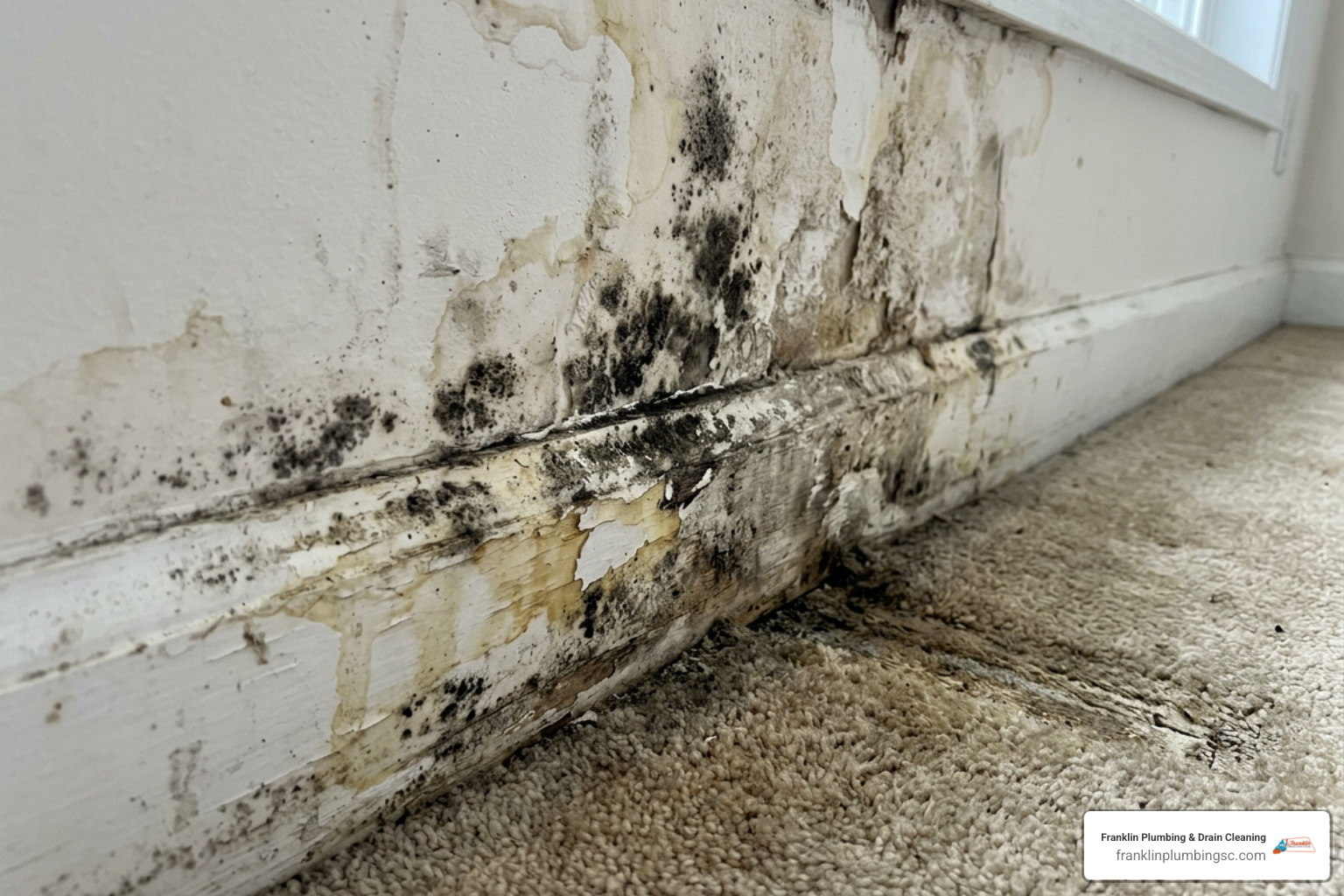
Indoor leaks are particularly devious because they damage the finished spaces you live in every day. In addition to drywall damage, look closely at your baseboards and trim. If you notice mold growing along the baseboards, or paint that is cracking, peeling, and flaking away from the wall, moisture is pushing its way out from the wall cavity.
Another indoor clue is low water pressure in one part of the home. If a sink, shower, or appliance suddenly slows to a trickle, our guide to what can make water pressure drop can help you narrow down the cause.
Outdoor and Foundation Signs of a Hidden Water Leak
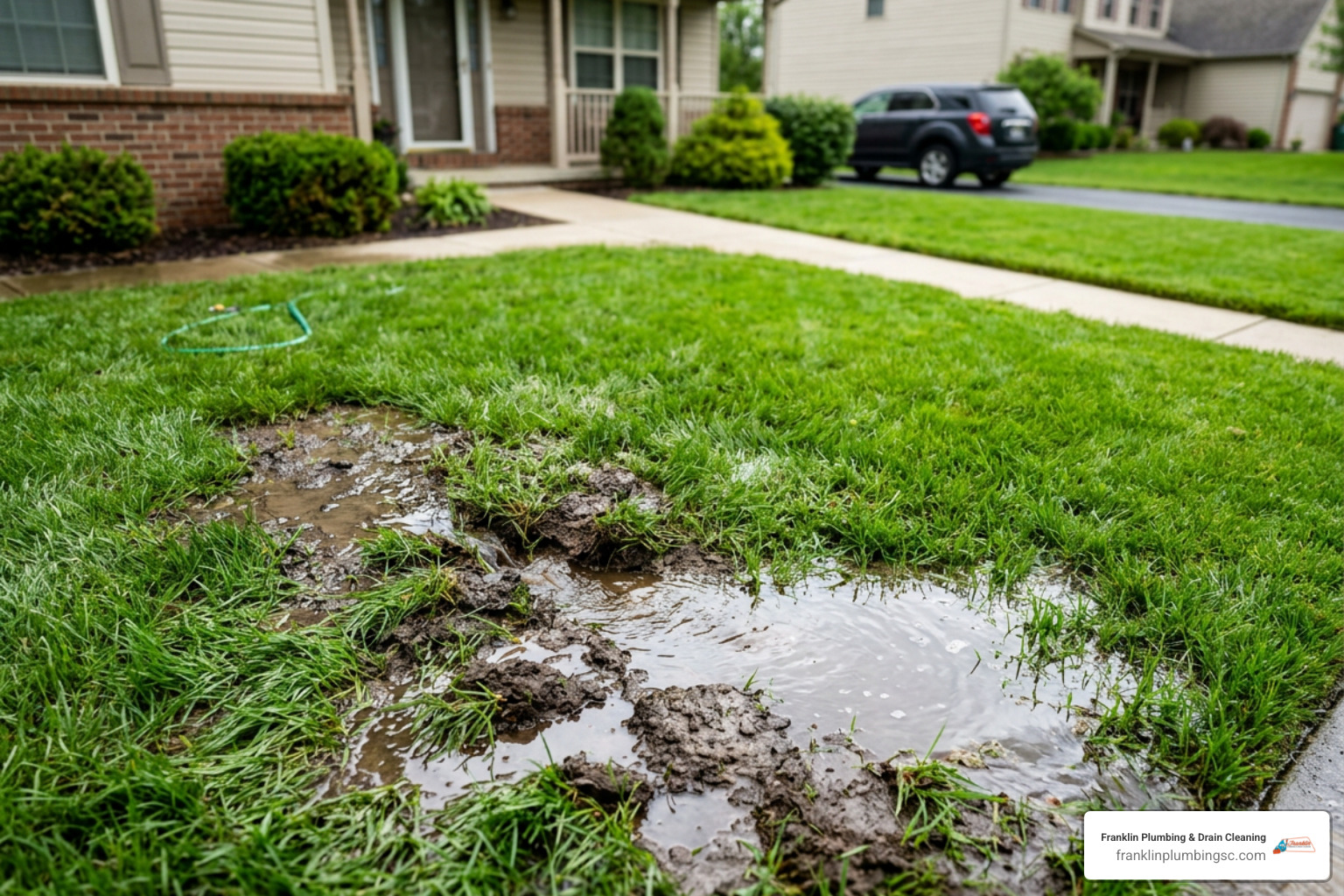
Outdoor leaks are easy to ignore because they don’t immediately ruin your carpets or drywall, but they can be incredibly wasteful and damaging to your property. An underground leak between your water meter and your home can erode the soil under your driveways and walkways, leading to sinking concrete or sudden sinkholes.
If the problem may go beyond your clean water lines, it helps to know what sewer line trouble can look like, too. And if the break is in your main supply line, getting professional help with water line repair is the safer way to find the issue without digging up the whole yard.
How to Detect a Hidden Leak Before Disaster Strikes
You do not have to wait for a ceiling to collapse to find out you have a plumbing issue. There are several proactive steps and modern technologies available in June 2026 to help you catch leaks early.
The DIY Water Meter Test
This is the simplest and most effective test you can perform on your own to confirm if you have an active leak:
- Turn Off All Water: Ensure all faucets, showers, washing machines, dishwashers, and ice makers are completely off.
- Locate Your Water Meter: Usually found in a ground box near the street or curb.
- Record the Reading: Write down the numbers on the display, and pay close attention to the low-flow indicator dial.
- Wait 2 Hours: Do not use any water during this window.
- Check the Meter Again: If the numbers have changed or the dial has moved, you have an active leak.
- Isolate the Leak: To determine if the leak is inside or outside, shut off your home’s main water shutoff valve (usually located where the main line enters the house or near the water heater). Check the meter again. If the meter is still moving, the leak is in the underground line between the meter and the house. If it stops, the leak is inside your home.
Smart Water Monitors and Leak Detectors
Plumbing technology has advanced significantly. Today, we recommend installing smart water monitoring systems (such as Flo by Moen or Phyn) directly onto your main water line.
These devices monitor the pressure and flow of your plumbing system in real-time. If they detect an abnormal, continuous flow of water—even a tiny drip from a pinhole leak—they will send an alert directly to your smartphone. Many advanced models feature an automatic shutoff valve that will instantly cut off your home’s water supply if a major pipe failure is detected, preventing catastrophic water damage while you are away from home.
For local residents, municipal upgrades are making water tracking easier, too. West Columbia, for example, now offers real-time water monitoring and leak alerts through its updated system, giving homeowners mobile access to usage data so they can spot hidden leaks before they turn into major bills.
Frequently Asked Questions About Hidden Water Leaks
How quickly can mold grow from a hidden leak?
Mold spores can begin to colonize and grow within 24 to 48 hours of moisture exposure. Because mold thrives in dark, warm, and unventilated spaces, it will often establish large colonies inside your wall cavities or beneath your flooring long before it ever becomes visible on the surface of your drywall. This can severely impact your home’s indoor air quality and trigger respiratory issues for your family.
Can a hidden water leak cause foundation damage?
Yes, absolutely. Slab leaks—which occur in the water lines running beneath your concrete foundation—are a primary cause of foundation damage. Over time, the leaking water erodes the supporting soil beneath your home, leading to foundation settling. In areas with expansive clay soils, the constant moisture causes the ground to swell and push upward against the slab (soil heave), which can crack your foundation and cause severe structural damage to your home.
Does homeowner’s insurance cover hidden water leaks?
In most cases, standard homeowner’s insurance policies will cover water damage if it is sudden and accidental (such as a pipe suddenly bursting). However, they frequently exclude coverage for slow, gradual leaks that have been occurring over several months, as these are often categorized as “maintenance neglect.”
The key to getting a claim approved is prompt action and thorough documentation. As soon as you suspect a leak, document the damage with timestamped photos, and contact a licensed plumber to locate and repair the issue immediately.
Conclusion
A hidden water leak is not a problem that will resolve itself. What starts as a tiny pinhole leak in a copper line can quickly escalate into thousands of dollars in water damage, structural rot, and hazardous mold growth. By staying vigilant and watching for the 9 warning signs outlined in this guide, you can protect your home and your wallet.
If you suspect you have a hidden leak in Columbia, West Columbia, Arcadia Lakes, Blythewood, or any of the surrounding areas, do not leave it to guesswork. At Franklin Plumbing & Drain Cleaning, our licensed, experienced technicians use specialized, non-invasive electronic listening equipment and thermal imaging to pinpoint the exact location of your leak without unnecessarily tearing into your walls.
We back all of our work with our 100% satisfaction guarantee. Contact us today to schedule a professional Leak Detection service and get the peace of mind you deserve.

professional
drain cleaning

highly
recommended

through
repairs

quality
work