When Is a Water Leak an Emergency in Columbia, SC?
Home »
When Every Minute Counts: Recognizing a Water Leak Emergency in Columbia, SC
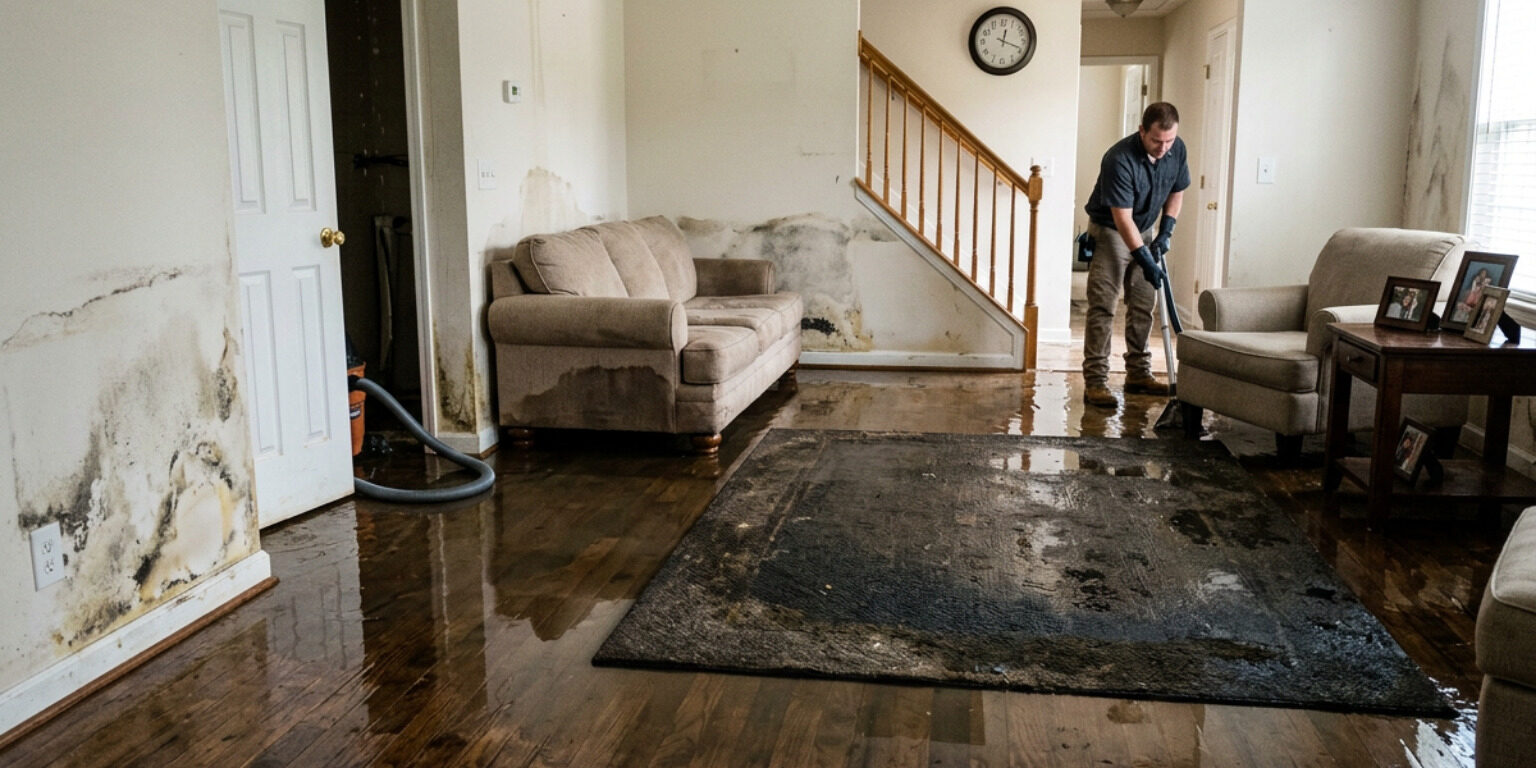
A water leak emergency in Columbia, SC can go from a minor drip to thousands of dollars in damage within hours. If you’re dealing with one right now, here’s what you need to know immediately:
Quick Answer: What to Do During a Water Leak Emergency
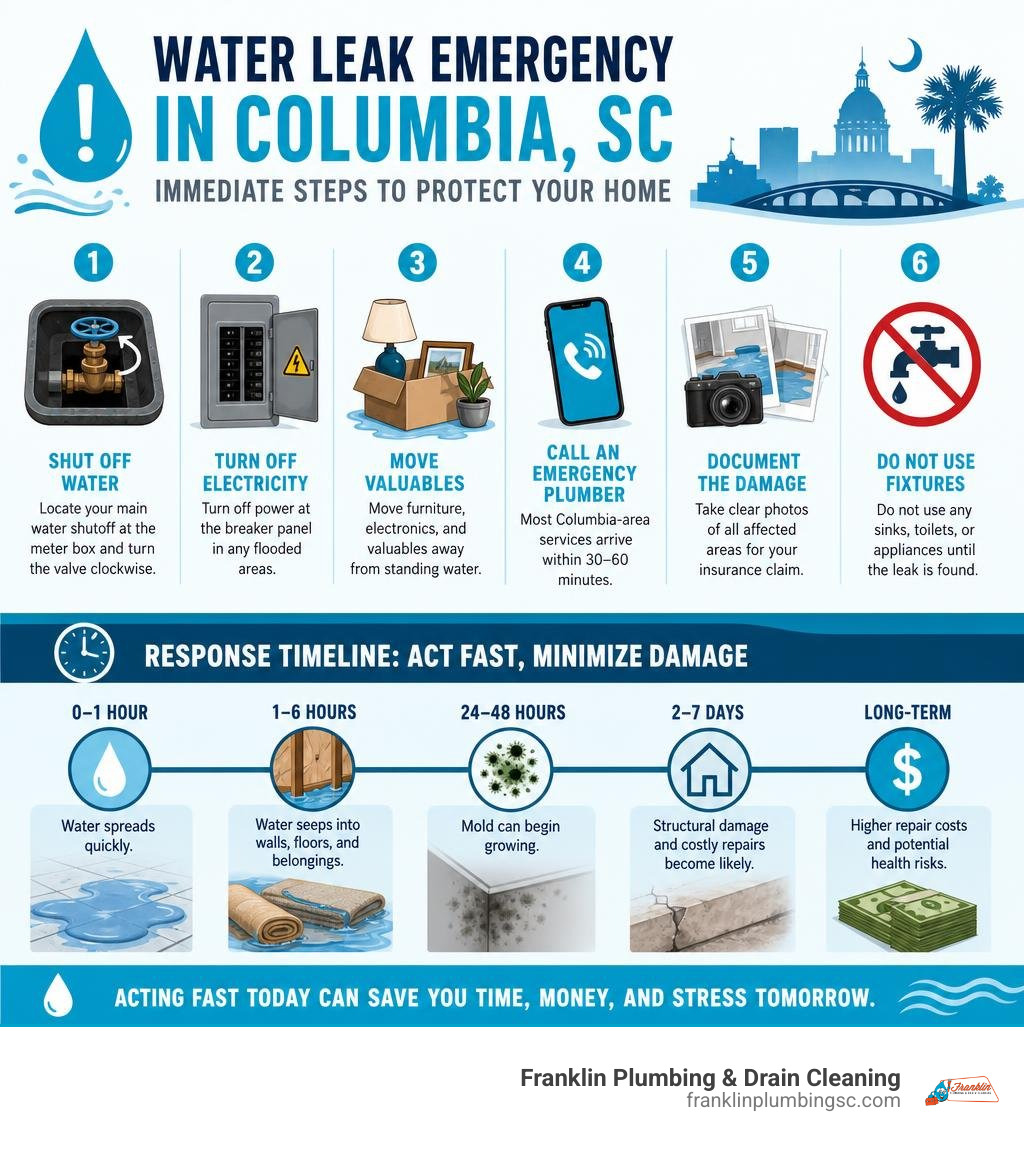
- Shut off your main water supply at the meter box (turn the valve clockwise)
- Turn off electricity in any flooded areas at the breaker panel
- Move valuables away from standing water
- Call an emergency plumber; most Columbia-area services arrive within 30 to 60 minutes
- Document the damage with photos for your insurance claim
- Do not use any fixtures until the source of the leak is identified
Water damage is the second most common homeowners insurance claim in the U.S., making up roughly 24% of all claims. The average payout is nearly $12,000. In Columbia, SC, the risk is even higher due to the city’s 48 inches of annual rainfall, its clay-heavy soil, and the region’s humidity, which place constant stress on local plumbing systems.
And here’s the part that catches most homeowners off guard: mold can begin growing within just 24 to 48 hours after water damage occurs. In Columbia’s already-humid climate, that window is dangerously short.
Whether it’s a burst pipe in a crawl space, a hidden slab leak, or a water heater flooding your utility room at midnight, knowing how to respond fast makes all the difference.
Common Causes of a Water Leak Emergency in Columbia, SC
Plumbing systems in the Midlands face unique regional challenges. While a pipe can fail anywhere, homeowners in Columbia, SC, West Columbia, SC, and Lexington, SC often deal with specific environmental factors that accelerate plumbing wear and tear.
The Impact of Columbia’s Clay Soil
Much of the Midlands is built on dense, heavy clay soil. This type of soil acts like a sponge, swelling significantly during rainy periods and contracting during dry spells. This constant shifting puts immense physical pressure on underground pipes. Over time, the shifting ground can cause pipe joints to pull apart or crack. This is one of the top causes of water line damage we see in older neighborhoods like Shandon and Forest Acres, SC.
Aggressive Root Intrusion
Columbia, SC is famous for its beautiful, mature oak trees, pines, and magnolias. Unfortunately, those majestic trees have massive root systems that constantly seek out moisture. Even the tiniest crack in an underground water or sewer line will release vapor that attracts roots. Once a root finds its way inside a pipe joint, it grows rapidly, creating stubborn blockages and eventually bursting the pipe entirely.
Sudden Winter Temperature Drops
While South Carolina is known for its humid, hot summers, winter cold snaps still pose a serious threat. In places like Chapin, SC or Blythewood, SC, winter temperatures can drop below freezing overnight. Water lines running through unheated crawl spaces or exterior walls are highly vulnerable. When water freezes inside a pipe, it expands, exerting thousands of pounds of pressure until the metal or plastic ruptures. The leak itself often goes unnoticed until the ice melts, leading to a sudden, gushing water leak emergency in Columbia, SC.
Raised Crawl Spaces and High Humidity
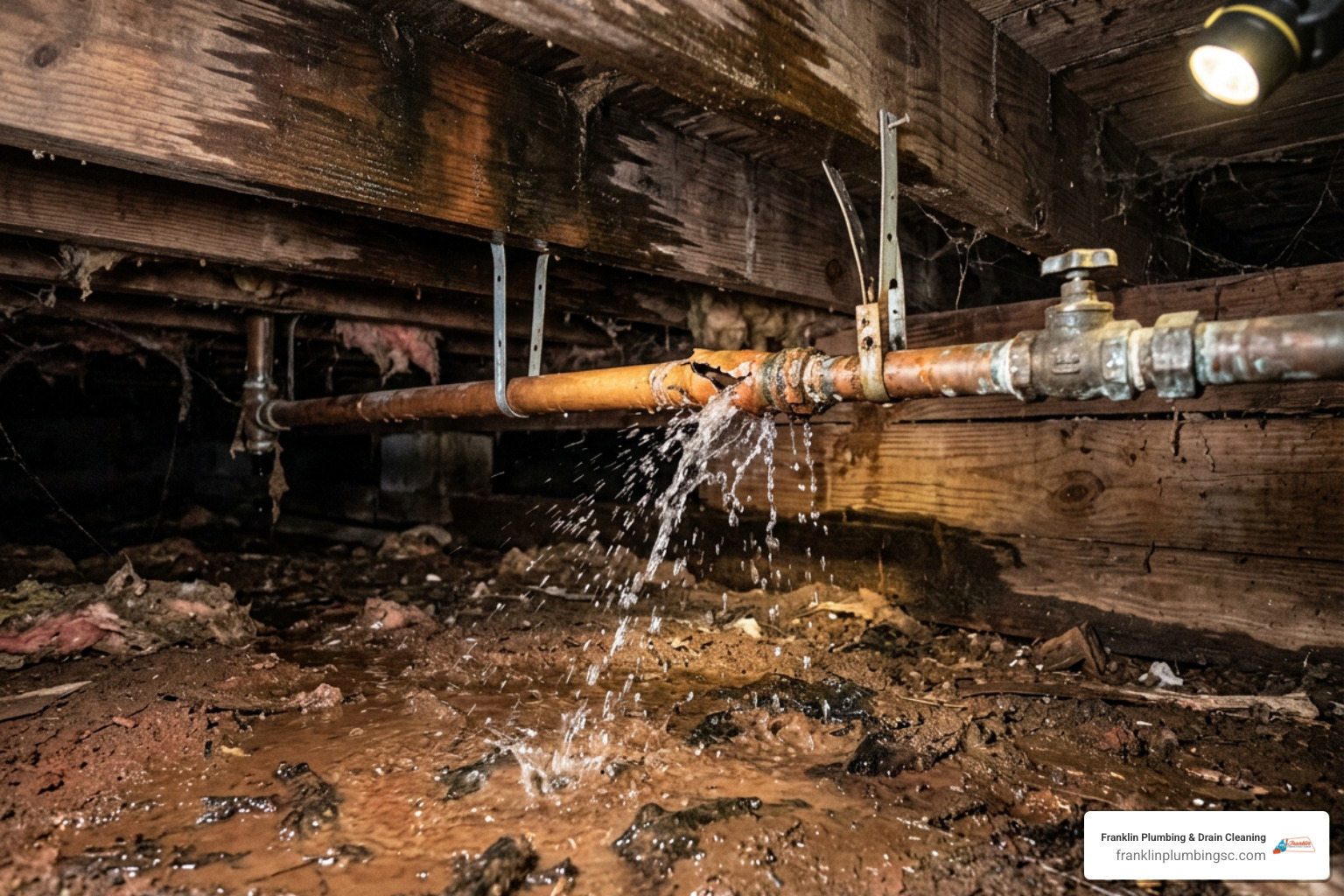
Many historic and mid-century homes in Arcadia Lakes, SC and St. Andrews, SC are built on raised crawl spaces rather than concrete slabs. While crawl spaces offer easy access for repairs, they also trap moisture. Columbia’s intense summer humidity can cause condensation to build up on cold metal pipes, leading to accelerated corrosion and eventual pinhole leaks.
How to Identify a Hidden Water Leak Before It Becomes a Crisis
Not every water leak announces itself with a dramatic spray of water. Many of the most destructive leaks happen quietly behind drywall, under floorboards, or beneath concrete foundations. Identifying these hidden threats early can save you from a major restoration headache.
Spiking Water Bills
The first warning sign of a hidden leak is often financial. If your monthly water bill suddenly jumps without a corresponding increase in usage, you likely have water escaping somewhere in your system. Even a single leaking faucet or a running toilet can waste thousands of gallons of water per year, but a major underground leak can waste that much in a single week.
Unexpected Mold and Mildew Growth
Because mold thrives in humid environments, any localized spike in moisture will trigger rapid growth. If you notice dark spots on your walls, bubbling paint, or a persistent musty odor in your home, water is likely escaping from a nearby pipe. In Columbia’s warm climate, ignoring these signs can quickly lead to structural wood rot and air quality issues.
If you suspect water is escaping somewhere in your home but cannot find the source, scheduling professional leak detection services is the safest next step.
High-Tech Detection: Thermal Imaging and Acoustic Sensors
Modern plumbing diagnostics have evolved beyond tearing down walls to find a leak. Professional plumbers utilize advanced thermal imaging cameras to detect temperature anomalies behind drywall, which often indicate moisture. Additionally, highly sensitive acoustic sensors allow technicians to listen for the distinct sound of pressurized water escaping from pipes buried deep underground or beneath concrete slabs.
Warning Signs of an Active Water Leak Emergency in Columbia, SC
Some situations demand immediate, emergency intervention. You should contact a professional immediately if you experience:
- The sound of rushing water: Hearing water running behind walls or under floors when all fixtures are turned off.
- A sudden drop in water pressure: A dramatic loss of pressure across multiple faucets usually indicates a major rupture in your main supply line.
- Visible structural damage: Sagging ceilings, buckling wood floors, or rapidly expanding wet spots on drywall.
- Damp, soft spots on your carpet or flooring: Especially if you live on a concrete slab foundation, which may point to a slab leak.
Utilizing Smart Technology for Early Leak Detection
One of the best ways to protect your property is by installing smart water leak detectors. These compact devices are placed near high-risk appliances like water heaters, washing machines, and under sinks.
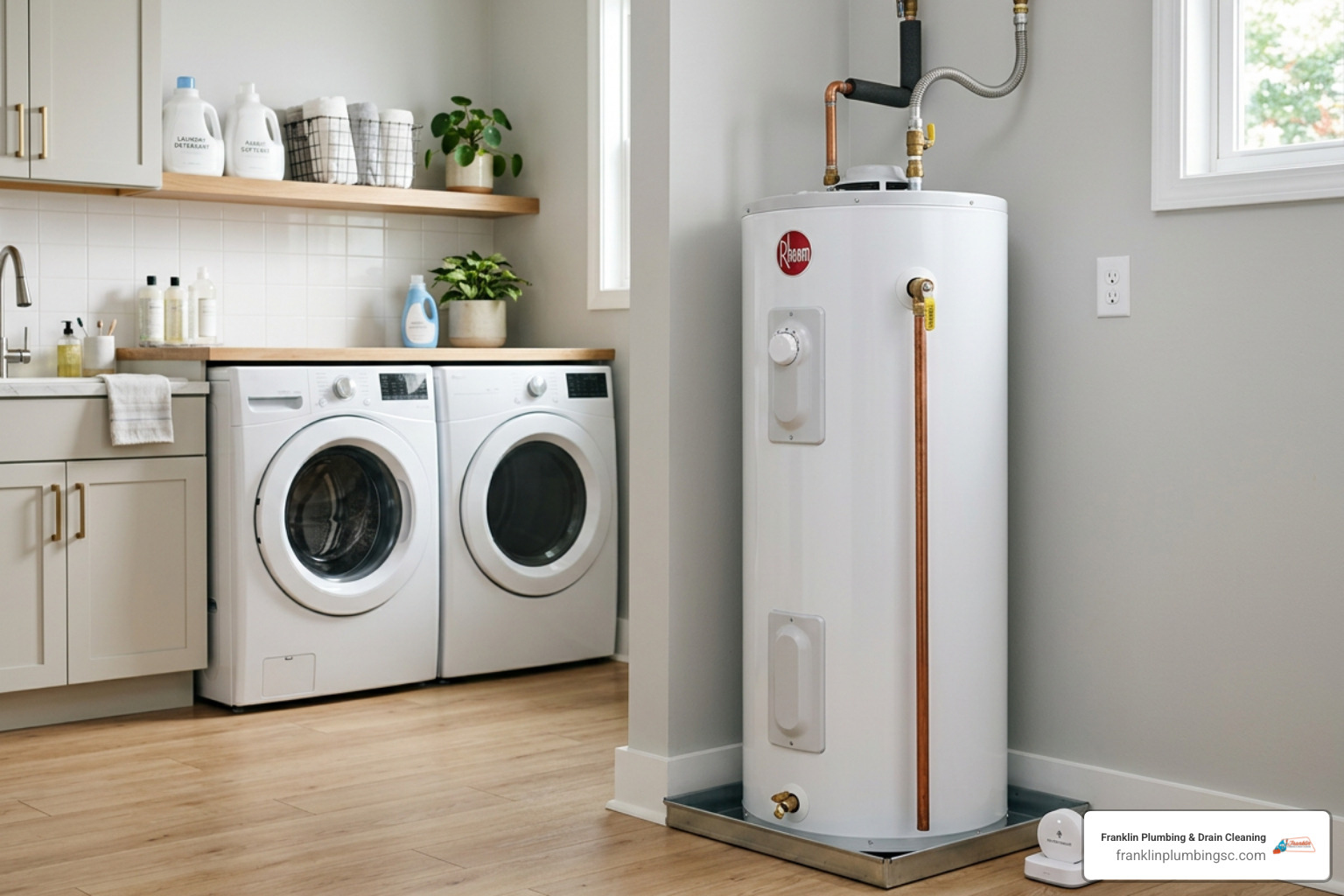
When a smart sensor detects moisture, it sends an instant notification to your smartphone. Some advanced systems are integrated with automatic shut-off valves installed on your main water line. If the system detects an unusual, continuous flow of water, it automatically shuts off the main supply, preventing a catastrophic flood even if you are away from home.
Immediate Steps to Take During a Plumbing Emergency
When a pipe ruptures, panic is your worst enemy. Knowing the exact steps to take can mean the difference between a quick pipe patch and a whole-house remodel.
Step 1: Shut Off the Water Supply
Your absolute first priority is to stop the flow of water. If the leak is isolated to a single fixture, such as a toilet or sink, turn the local shutoff valve clockwise. If the leak is coming from a main line or behind a wall, you must shut off the main water supply immediately.
For residents in Cayce, SC, understanding your local setup is crucial. You can review the municipal water guidelines to understand where city responsibility ends and yours begins, but in an emergency, you need to act on your side of the meter box.
How to Shut Off Your Main Water Supply
- Locate your water meter box: This is typically a plastic or metal box recessed into the ground near the street or property boundary.
- Open the box: Carefully remove the lid (watch out for spiders or dirt).
- Locate the main valve: This is usually a brass valve with a handle or a metal nub.
- Turn the valve clockwise: Use a meter key or a pair of heavy-duty pliers to turn the valve until it is fully closed. Do not force it if it is rusted; instead, call for emergency assistance immediately.
Step 2: Ensure Electrical Safety
Water and electricity are a deadly combination. If water is leaking near electrical outlets, appliances, or your main breaker panel, do not attempt to walk through the standing water. Go to your breaker panel if it is in a dry area and shut off power to the affected zones of your home. If you cannot reach the panel safely, evacuate the area and wait for professional help.
Step 3: Protect Your Property
Once the water is off and the area is safe, move furniture, electronics, rugs, and personal valuables out of the path of the water. Use towels, blankets, or buckets to contain any pooling water and limit its spread to other rooms.
Managing a Water Heater or Sewer Line Emergency
If your emergency involves a leaking water heater, you must turn off the energy source (gas valve or electrical breaker) to prevent the unit from overheating. Close the cold-water inlet valve on top of the tank. If you need to drain the tank, attach a garden hose to the drain valve at the bottom and run it to a safe drainage area, then carefully lift the pressure relief valve to allow air into the tank.
For sewer line emergencies, such as raw sewage backing up into your tubs or toilets, stop using all water fixtures immediately. Continued water use will only worsen the backup. In these cases, a professional sewer and water line replacement or emergency clearing is required to safely restore flow.
Professional Mitigation and Water Damage Restoration
Once the immediate plumbing failure is controlled, the clock starts ticking on the cleanup process. Because mold and structural wood rot can set in rapidly, professional restoration is essential for returning your home to a safe condition.
Professional Response to a Water Leak Emergency in Columbia, SC
When you contact us for emergency assistance, our team arrives with fully stocked service trucks and specialized diagnostic equipment. Our first step is to perform a non-invasive damage assessment to locate the exact source of the leak without causing unnecessary destruction to your walls or floors.
By utilizing emergency plumbing services, you ensure that the repair is completed to local building codes, preventing future failures in the exact same spot.
The Role of Water Extraction and Structural Drying
Simply mopping up standing water is not enough. Water quickly seeps into drywall, baseboards, subflooring, and insulation. Professional mitigation involves:
- Industrial Water Extraction: High-powered pumps and vacuums remove standing water quickly.
- Structural Dehumidification: Industrial-grade dehumidifiers draw moisture out of the air and surrounding building materials.
- Air Movers: High-velocity fans are placed strategically to accelerate the drying of floors and walls.
- Sanitization: Applying antimicrobial treatments to prevent mold growth and eliminate odors, especially in the case of gray or black water leaks.
- Moisture Monitoring: Technicians use specialized moisture meters to verify that all structural elements are completely dry before repair work is declared finished.
Costs, Insurance, and Preventing Future Water Leaks
Dealing with a sudden plumbing crisis is stressful, and understanding the financial and preventative side of the equation can help ease your mind.
Understanding Repair Costs and Insurance Coverage
The cost of resolving a plumbing emergency varies depending on the location of the leak, the pipe material, and the extent of the damage. A simple pipe repair under a sink is relatively straightforward, while resolving an underground slab leak or replacing a collapsed sewer line requires more labor-intensive work.
Most standard homeowners insurance policies cover water damage if it is “sudden and accidental,” such as a burst pipe or a sudden water heater rupture. However, insurance companies rarely cover damage caused by long-term, neglected maintenance. For example, if a slow, slow leak has been rotting a wall for months, the claim may be denied.
To ensure a smooth claim process, always document the damage thoroughly with clear photos and videos before any cleanup begins, and keep all receipts from your emergency plumbing repairs.
DIY vs. Professional Emergency Response
While it is tempting to try to handle a plumbing issue yourself, temporary fixes can sometimes lead to bigger disasters down the road.
| Scenario / Action | DIY Response | Professional Response |
|---|---|---|
| Response Time | Dependent on your availability and tools | 24/7 rapid dispatch with stocked service trucks |
| Diagnostics | Visual guessing, potential unnecessary drywall damage | Non-invasive thermal imaging and acoustic sensors |
| Repair Quality | Temporary clamps, tape, or retail-grade fittings | Code-compliant, permanent repairs using commercial materials |
| Safety & Liability | Risk of electrical shock, mold exposure, or structural collapse | Fully licensed, insured, and certified technicians |
| Insurance Documentation | Often insufficient for major claims | Detailed reports, moisture readings, and professional invoicing |
How to Prevent Future Plumbing Emergencies
The best way to manage a plumbing emergency is to stop it from happening in the first place.
- Schedule annual inspections: A professional plumber can identify weakened joints, corrosion, and high water pressure before they cause a rupture.
- Insulate exposed pipes: Before the winter cold snaps hit Chapin, SC or Elgin, SC, wrap any exposed pipes in crawl spaces or attics with foam insulation.
- Monitor your water pressure: High water pressure (above 80 PSI) puts constant stress on your pipes and fixtures. Installing a pressure-reducing valve can protect your system.
- Know when to replace aging lines: If your home still has old galvanized steel or polybutylene pipes, planning a proactive water line repair in Columbia, SC can save you from a catastrophic failure later.
Frequently Asked Questions About Water Leak Emergencies
What qualifies as a water leak emergency in Columbia, SC?
A water leak is considered an emergency if it poses an immediate risk of structural damage, threatens your family’s health (such as a sewage backup), or cannot be controlled by local shutoff valves. Examples include burst pipes, water heater ruptures, active slab leaks, and clogged sewer lines causing indoor backups.
How quickly can an emergency plumber arrive at my home?
In the Columbia, SC metro area, our emergency plumbing dispatch team typically arrives within 30 to 60 minutes of your call. Quick arrival is essential to minimize structural water damage and prevent mold growth.
Will my homeowners insurance cover water leak repairs?
Most homeowners insurance policies cover the cost of water damage cleanup and restoration if the leak was sudden and accidental. However, the cost of the actual plumbing repair itself (the pipe patch or replacement) is usually paid out-of-pocket, and damage from neglected maintenance is typically excluded.
How do I locate my main water shutoff valve?
Your main shutoff valve is usually located in a green or black plastic meter box near your front property line by the street. Inside the home, a secondary main shutoff valve is often located in the crawl space, basement, utility closet, or near the water heater.
What should I do if a pipe bursts in my crawl space?
First, shut off the main water supply immediately to stop the flooding. Next, turn off the electricity to your crawl space if there is standing water near wiring. Call an emergency plumber to repair the pipe, and contact a restoration specialist to dry the crawl space to prevent mold and wood rot.
Can a small water leak turn into an emergency?
Yes. A tiny pinhole leak behind a wall or under a slab can slowly rot structural wood, ruin insulation, and cause extensive mold growth over time. Additionally, a small leak often indicates that a pipe is corroded and vulnerable to a sudden, catastrophic blowout.
How does Columbia’s soil affect underground water lines?
Columbia’s heavy clay soil expands when wet and contracts when dry. This constant movement shifts the ground, putting physical stress on underground water and sewer lines, which can cause joints to separate or pipes to crack.
What are the health risks of delayed water leak cleanup?
Standing water and damp building materials can foster toxic mold growth within 24 to 48 hours. Breathing in mold spores can trigger respiratory issues, asthma attacks, and allergic reactions. Additionally, sewage backups carry harmful bacteria and pathogens that pose immediate biohazard risks.
How do smart water leak detectors prevent flooding?
Smart leak detectors monitor moisture levels and water flow. If they detect a leak, they send an alert to your smartphone. Advanced models can automatically shut off your home’s main water valve, stopping a potential flood even if you are not home.
Who is responsible for repairing a leak near the water meter?
The local water utility department is responsible for maintaining the main water line up to your water meter box. Any pipe failures or leaks that occur on the property side of the meter box are the financial responsibility of the property owner.
Conclusion
Facing a plumbing crisis can be incredibly stressful, but you do not have to handle it alone. Taking quick action to shut off your water, keeping a clear head, and relying on professional expertise is the best way to protect your home and restore your peace of mind. Regular maintenance and proactive care are your best defenses against future system failures.
Whether you need fast leak repairs, professional drain cleaning, or emergency plumbing assistance, the team at Franklin Plumbing & Drain Cleaning is ready to help. Schedule your professional plumbing service today to protect your Columbia, SC home around the clock.

professional
drain cleaning

highly
recommended

through
repairs

quality
work