Slab Leak Symptoms: 7 Warning Signs You Should Not Ignore
Home »
Why Slab Leak Symptoms Are Worth Taking Seriously
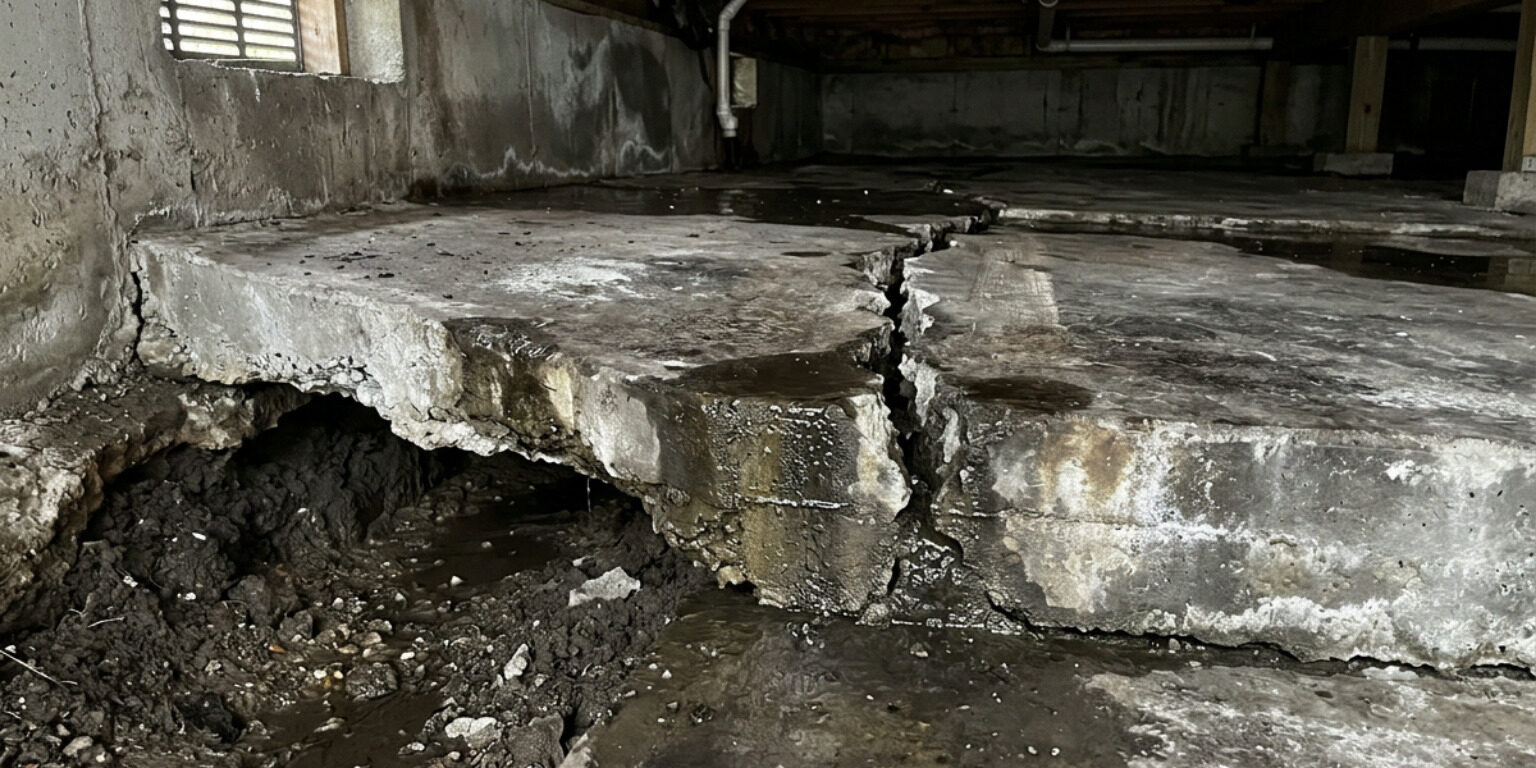
Slab leak symptoms can be easy to miss until the damage is already serious. A small pipe failure beneath your home’s concrete foundation can quietly waste thousands of gallons of water, erode the soil under your home, and cause structural damage that costs tens of thousands of dollars to fix.
Here are the 7 most common warning signs of a slab leak:
- Unexplained spike in your water bill with no change in usage
- Sound of running water when all taps and fixtures are off
- Warm or hot spots on the floor from a leaking hot water line
- Damp, warped, or buckling flooring from moisture seeping up
- Cracks in walls, floors, or your foundation
- Low water pressure throughout the home
- Musty odors or mold growth near the floor
If you notice two or more of these signs at the same time, there is a good chance you have a slab leak that needs immediate attention.
Most slab leaks start as tiny pinhole failures in pipes buried beneath your home’s concrete slab. Because the pipes are hidden under several inches of concrete, the problem can go undetected for months. By the time you notice wet floors or a skyrocketing water bill, the leak may have already been running long enough to saturate the soil and shift your foundation.
According to the EPA, the average household wastes nearly 10,000 gallons of water every year from leaks alone. A slab leak can account for a large portion of that waste, and many homeowners never know it is happening until real damage appears.
The good news? Catching it early makes a massive difference. Early detection and a simple spot repair can cost as little as a few hundred dollars. Wait too long, and you could be looking at foundation leveling, full repiping, and mold remediation that runs well into the tens of thousands.
This guide walks you through every major warning sign, simple DIY checks you can do right now, and what to expect from professional detection and repair.

What Is a Slab Leak and Why Is It Dangerous?
A slab leak refers to any plumbing leak that occurs in the water supply or sewer lines buried beneath or encased within your home’s concrete slab foundation. Unlike a typical pipe leak under your kitchen sink or behind a bathroom wall, these leaks are completely concealed by thick concrete and layers of soil.
When a pipe under the slab cracks, rusts, or bursts, the escaping water has nowhere to go but into the surrounding ground. Over time, this constant flow of pressurized water causes severe structural and environmental issues. Many of the same issues that cause hidden water line damage, like high water pressure and shifting soil, can also contribute to underground pipe failures.
The main dangers of an untreated slab leak include:
- Soil Erosion: The continuous flow of water washes away the supporting soil beneath your concrete foundation. This creates empty pockets or voids under your home.
- Foundation Shifting and Settling: Without proper soil support, the heavy concrete slab will sink, crack, or tilt. This movement can warp your entire home’s framing.
- Structural Damage: As the foundation shifts, you will begin to notice sticking doors, windows that will not open, cracked drywall, and uneven floors upstairs.
- Severe Mold Growth: Water seeping up through the concrete slab provides the perfect breeding ground for mold and mildew under your carpets, hardwood, or tile flooring. This can quickly ruin your indoor air quality and trigger respiratory issues.
In areas like Columbia, SC, where clay soils are common, the ground expands when wet and contracts when dry. This constant movement puts immense pressure on copper and galvanized steel pipes running beneath the slab, making local homes particularly vulnerable to these hidden disasters.
Recognizing Slab Leak Symptoms: 7 Warning Signs to Watch For
Because you cannot see the pipes under your floor, you have to rely on secondary clues to identify a problem. If you want to protect your home and your wallet, keep a close eye out for these seven warning signs.
1. Unexplained Spikes in Your Water Bill
If your household water habits have not changed but your monthly water bill continues to climb, a hidden leak is the most likely culprit. A continuous underground leak can waste thousands of gallons of water each month, leading to a significant spike in your water bill. Track your water bills over a three to six month period to spot any gradual, unexplained increases.
2. The Sound of Running Water
When the house is completely quiet, especially at night, listen closely to your floors. If you hear a faint, persistent hissing, whooshing, or trickling sound even though every faucet, shower, and washing machine is turned off, water is likely escaping from a pressurized pipe beneath your floor.
3. Warm or Hot Spots on the Floor
If you walk barefoot across your tile, linoleum, or hardwood floor and suddenly feel a warm patch, you are likely walking directly over a leaking hot water supply line. The escaping hot water heats the surrounding concrete, which then transfers that heat up through your flooring.
4. Damp, Warped, or Buckling Flooring
Water from a slab leak will eventually find its way upward. You might notice damp spots on your carpets, warped laminate planks, or buckling hardwood floors. In homes with tile, the grout lines may look permanently wet or discolored.
5. Cracks in Walls, Floors, or Your Foundation
As the soil erodes and the foundation begins to settle unevenly, the stress will show in your home’s structure. Look for new cracks in your drywall, cracks running through your floor tiles, or visible cracks in the exterior concrete foundation of your home.
6. A Sudden Drop in Water Pressure
When a supply line under the concrete slab is broken, a large volume of water escapes before it can reach your fixtures. This diversion of water leads to a noticeable drop in shower and faucet pressure. If that is happening throughout the house, it helps to rule out other reasons your water pressure may be low before assuming the problem is under the foundation.
7. Musty Odors and Mold Growth
Persistent moisture under the floorboards inevitably leads to mold. If you smell a damp, musty odor in certain rooms that you cannot get rid of, or if you spot black or green mold patches along the baseboards, water is actively seeping up through your slab.
How to Identify Hot Water Slab Leak Symptoms
Leaking hot water lines behave a bit differently than cold water lines, and they often present clearer symptoms early on. Because hot water lines carry heated water, they constantly transfer thermal energy to the concrete slab.
- High Water Heater Activity: If your water heater is constantly running, cycling, or making noise even when no one is using hot water, it is working overtime to heat water that is simply leaking into the dirt under your home.
- Warm Flooring: Walking barefoot is one of the easiest ways to find a hot water slab leak. Pay attention to unusually warm areas on your kitchen or bathroom floors.
- Thermal Expansion Stress: The constant heat can cause rapid expansion and contraction in the surrounding concrete, which often accelerates the cracking of nearby floor tiles.
Sewer Line vs. Fresh Water Slab Leak Symptoms
Slab leaks can occur in either your pressurized fresh water supply lines or your gravity-fed sewer drain lines. Identifying which type of line is leaking helps determine the correct repair approach.
| Symptom | Fresh Water Supply Leak | Sewer Line Drain Leak |
|---|---|---|
| Water Pressure | Often drops significantly | Remains unaffected |
| Water Flow | Constant, pressurized spray | Occurs mainly when fixtures drain |
| Odor | Clean, odorless water | Strong, musty, or sewage smells |
| Floor Damage | Rapid pooling, damp carpets | Slow, localized moisture, warped wood |
| Soil Impact | Fast erosion, quick foundation shifts | Gradual soil saturation, dome cracks |
Pressurized supply lines leak constantly, wasting thousands of gallons of water in a matter of days. Sewer line leaks, on the other hand, are often slower and occur when water is drained from sinks, toilets, or showers.
Sewer leaks are notorious for causing persistent musty odors and localized foundation movement called dome flooring, where the clay soil swells and pushes a section of the slab upward. Homeowners should also know the warning signs of a sewer line problem so they can catch sanitary issues before they cause extensive property damage.
How to Detect a Slab Leak Yourself
If you suspect a leak but are not entirely sure, you do not have to wait for a plumber to perform a few basic diagnostic checks. You can conduct several simple, non-invasive tests to confirm your suspicions.
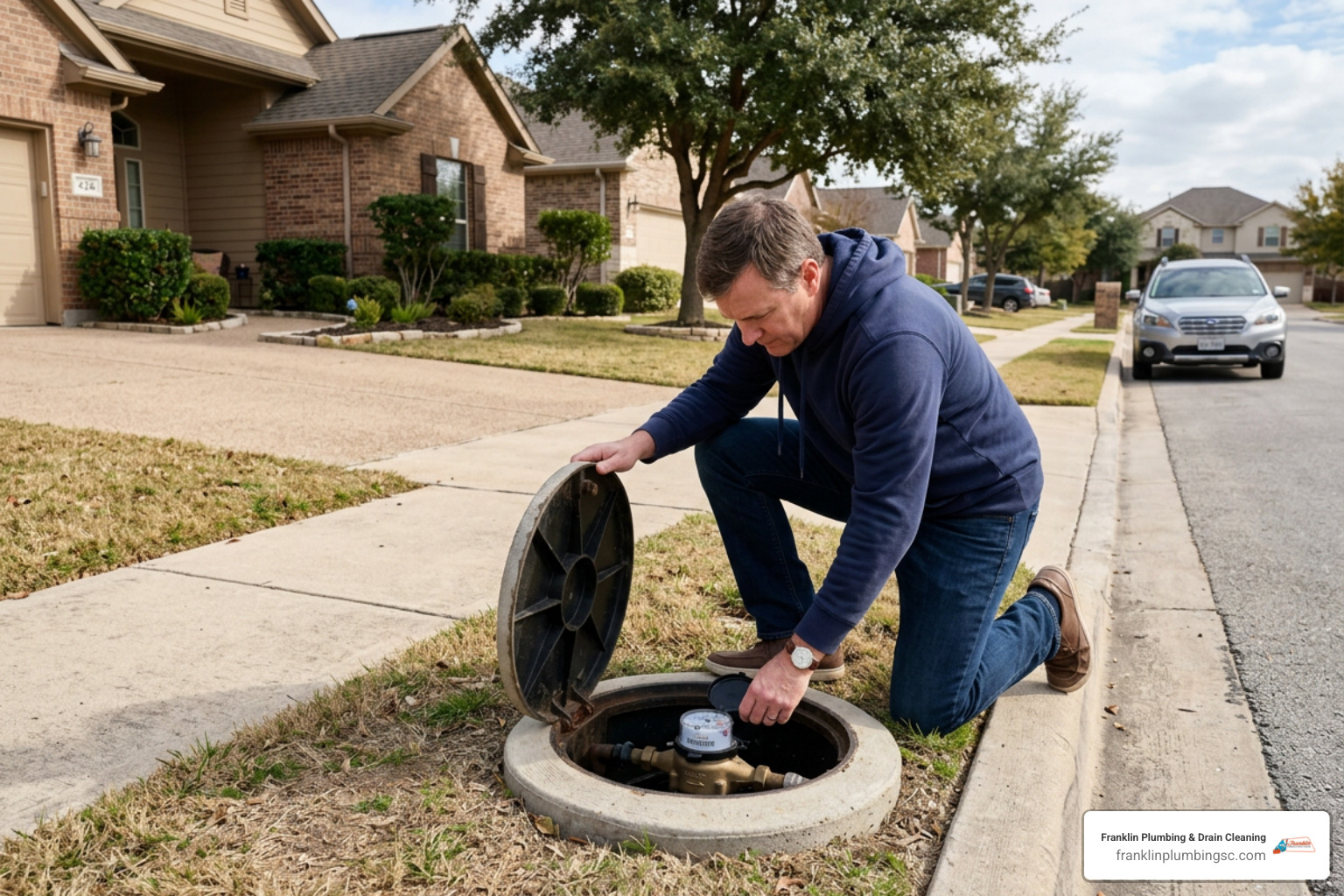
- The Water Meter Test: This is the most reliable DIY test for a pressurized supply line leak. First, turn off every single water fixture inside and outside your home, including faucets, showers, ice makers, and washing machines. Locate your water meter box, which is usually near the street curb. Open the lid and look at the dial. Many meters have a small, triangular leak indicator wheel that spins when even a tiny amount of water flows. If that wheel is turning, or if the main odometer numbers change after leaving the water off for 30 minutes, you have an active leak.
- The Quiet Listening Test: Late at night, turn off all appliances, televisions, and HVAC units. Walk slowly through your home and place your ear near the floor in different rooms, particularly near bathrooms, utility closets, and the kitchen. Listen for any faint hissing or rushing sounds.
- Perimeter Inspection: Walk around the outside of your home. Look for unusually wet patches of grass right next to the foundation, moss growing on the concrete, or areas where the soil has sunken or pulled away from the concrete slab.
By performing these checks, you can gather valuable information to share with your plumbing technician. If your symptoms seem drain-related, these tips for catching sewer line issues early can help you decide whether the problem may be in your waste removal system.
Professional Detection and Repair Options
If your DIY tests point to an underground leak, do not start breaking up your concrete floor with a jackhammer. Modern plumbing technology allows us to pinpoint and repair slab leaks with minimal disruption to your home.
Professionals use advanced, non-invasive tools to locate the exact source of the leak under the concrete:
- Acoustic Listening Devices: Highly sensitive ground microphones and acoustic sensors allow technicians to hear the exact sound of water spraying from a pipe, even through several feet of dirt and concrete.
- Thermal Imaging Cameras: Infrared cameras detect temperature variations on your floor, showing the exact shape and source of hot water pooling under the slab.
- Pipe Tracing and Video Cameras: Plumbers can map the layout of your plumbing lines and inspect the interior of your drains using micro-cameras to find cracks and blockages. A camera inspection is especially useful because clogs and blockages can damage pipes and make sewer-related slab issues harder to diagnose.
Once the leak is located, we evaluate the best repair method for your specific situation.
| Repair Method | Description | Best For | Structural Impact |
|---|---|---|---|
| Spot Repair | Jackhammering a small section of concrete to fix the specific broken pipe section. | Isolated leaks in newer plumbing systems. | Moderate (requires floor restoration in one spot). |
| Pipe Rerouting | Abandoning the broken underground pipe and running a new line through walls or the attic. | Older homes, hot water lines, or hard-to-reach leaks. | Low (keeps your concrete slab completely intact). |
| Epoxy Pipe Lining | Coating the inside of the existing pipe with a durable epoxy resin barrier. | Minor pinholes or sewer line cracks. | None (completely trenchless and non-invasive). |
| Full Repiping | Replacing all underground supply lines with flexible, corrosion-resistant PEX piping. | Homes with systemic pipe corrosion or multiple leaks. | Low to Moderate (depends on routing paths). |
Frequently Asked Questions About Foundation Water Leaks
Can a slab leak fix itself?
No. Plumbing pipes are under constant pressure and are subjected to continuous water flow. A small crack or pinhole leak will only expand over time as the water erodes the surrounding metal or plastic, eventually leading to a major pipe burst.
How long does professional slab leak detection take?
A professional slab leak detection service typically takes between two and three hours. Technicians use electronic equipment to rule out above-ground leaks before systematically scanning your floors to locate the exact point of the underground failure.
Will homeowners insurance cover the cost of slab leak repairs?
Homeowners insurance policies vary. In many cases, insurance will cover the cost of tearing out and replacing the concrete slab to access the leak, as well as repairing secondary water damage to your flooring and walls. However, the cost of repairing the actual plumbing pipe itself is often excluded. It is best to review your policy and speak with your provider early in the process.
Can I stay in my home during a slab leak repair?
Yes, in most cases you can remain in your home. While we may need to temporarily shut off your water service during the active repair process, we work quickly to restore service as fast as possible, usually by the end of the work day.
How much water can a slab leak waste per month?
A slab leak on a pressurized supply line can waste anywhere from 1,000 to more than 10,000 gallons of water per month depending on the size of the pipe crack. This not only causes high utility bills but also creates severe environmental waste and foundation instability.
What causes pipes under a concrete slab to leak?
The most common causes include pipe corrosion from hard water, natural shifting of the soil beneath the house, high water pressure, friction from pipes rubbing against concrete, and poor initial installation practices during construction.
Can a slab leak cause mold and mildew growth?
Yes. Water seeping up through concrete pores creates constant, high humidity under your carpets and floorboards. This chronic moisture promotes rapid mold growth, which can severely impact your home’s indoor air quality and cause health issues for your family.
How do I know if a leak is under my slab or in my walls?
Wall leaks typically cause bubbling paint, soggy drywall, and visible water stains on your walls or ceilings. Slab leaks, on the other hand, show symptoms at floor level, such as warm floor spots, damp carpets, cracked floor tiles, and water pooling around the exterior foundation.
What are the long-term risks of ignoring a slab leak?
Ignoring a slab leak can lead to severe structural cracking in your walls and foundation, uneven floors, doors that will not close, sinkholes on your property, mold infestations, and extremely expensive foundation leveling repairs.
How can I prevent slab leaks in my home?
You can minimize your risk by maintaining your water pressure between 40 and 60 PSI, installing a water softener to reduce pipe corrosion from hard water, and scheduling regular plumbing inspections to catch minor wear before it turns into a major failure.
Conclusion
Detecting slab leak symptoms early is the single most important step in protecting your home from catastrophic foundation damage and expensive repairs. Whether you have noticed a sudden jump in your water bill, felt an unusual warm spot on your kitchen floor, or heard the faint sound of running water behind your baseboards, taking fast action is key.
At Franklin Plumbing & Drain Cleaning, we specialize in helping homeowners throughout Columbia, SC, and the surrounding communities, including Lexington, SC, Irmo, SC, Chapin, SC, and West Columbia, SC. Our team of licensed, highly experienced technicians uses state of the art acoustic and thermal technology to pinpoint leaks without needlessly tearing up your floors. Backed by our 100% satisfaction guarantee, we deliver reliable, long-lasting solutions to keep your home safe, dry, and structurally sound.
If you suspect an underground plumbing issue, do not wait for the damage to spread. Contact us today to schedule your professional leak detection services and let our experts handle the rest.

professional
drain cleaning

highly
recommended

through
repairs

quality
work