Tree Roots in Sewer Line: How They Get In and What to Do
Home »
Tree Roots in Your Sewer Line: What Every Columbia Homeowner Should Know
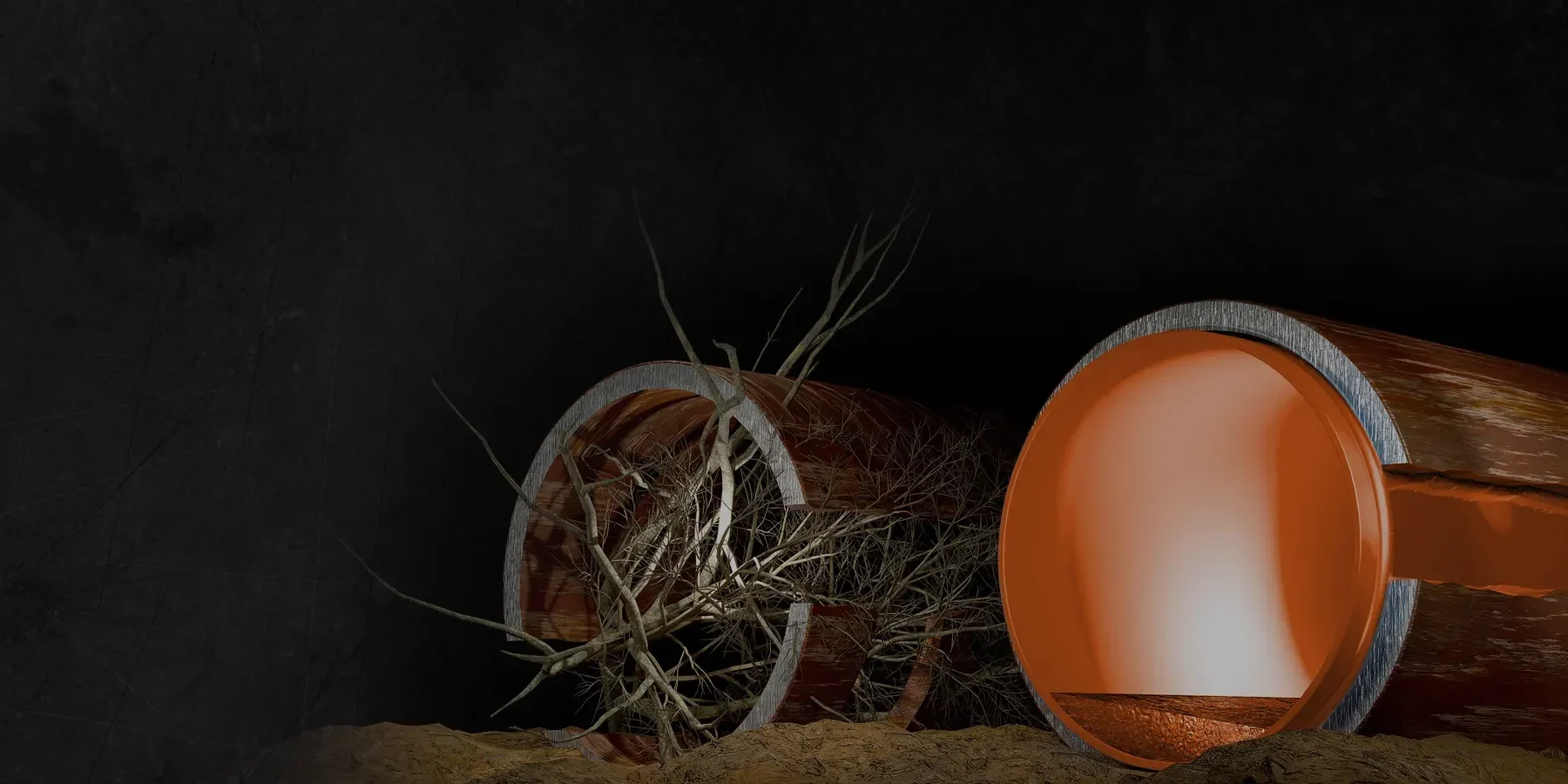
Tree roots in a sewer line are one of the most common — and most destructive — plumbing problems a homeowner can face. In fact, research shows that tree roots cause more than 50% of all sewer blockages, and in some regions that number climbs even higher.
The frustrating part? The damage often builds silently underground for months or even years before you notice a single symptom.
Here’s a quick summary of what you need to know:
- How roots get in: Roots are drawn to moisture and nutrients leaking from small cracks or loose joints in aging pipes
- Most vulnerable pipes: Clay tile, cast iron, and Orangeburg pipes (common in homes built before the 1980s)
- Key warning signs: Slow drains throughout the house, gurgling toilets, recurring clogs, and unusually lush grass patches above the sewer line
- Main removal methods: Hydro jetting, mechanical root cutting, and video-guided inspection
- Long-term fixes: Trenchless pipe lining (CIPP), pipe bursting, or full pipe replacement
- Who pays: In most cases, the homeowner is responsible for the sewer lateral from the house to the city main
- Regrowth: Without prevention, roots typically return within 1 to 3 years
If your home in Columbia, SC was built before 1980, or if you have mature trees anywhere near your yard, there is a real chance this problem is already developing underground — even if your drains still seem fine right now.
This guide covers everything: how roots find their way into pipes, how to spot trouble early, what removal and repair options actually work, and how to stop it from happening again.
How Tree Roots in Sewer Line Systems Find Their Way In
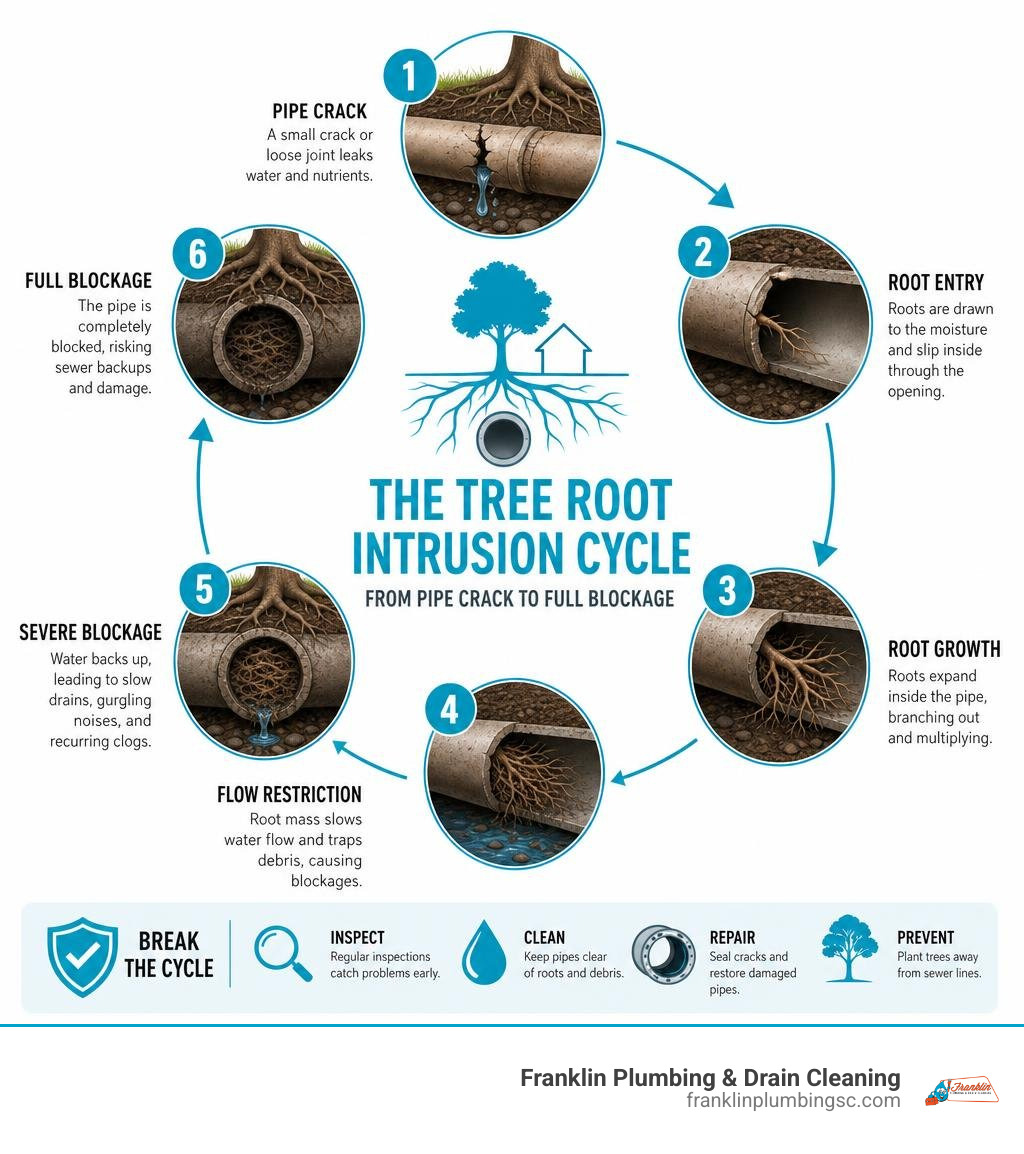
To win the underground battle against invading root systems, we first have to understand their motivation. Tree roots do not possess a malicious desire to destroy your plumbing. Instead, they are simply following their biological programming.
Trees survive by sending out a vast network of roots to seek water, oxygen, and vital nutrients. This natural seeking behavior is known as hydrotropism. Your home’s underground sewer line is essentially an all-you-can-eat buffet for a tree. Inside those pipes is a constant, warm flow of water carrying nutrient-rich organic waste.
As warm water flows through your sewer lateral, it releases moisture vapor. This vapor escapes into the surrounding soil through any tiny imperfection in the pipe, such as a hairline crack, a loose joint, or a deteriorated seal. Tree roots are incredibly sensitive to these moisture gradients. Once they detect the vapor trail, they grow directly toward the source.
Soil conditions play a massive role in how easily this happens. Our local soil behaves in very specific ways that can put your plumbing at risk. In many areas around Columbia, SC, the ground contains high amounts of clay. This clay-heavy soil expands significantly when wet and contracts when dry. This constant shifting and settling can place immense physical stress on buried pipes, causing them to crack, offset, or pull apart at the joints. If you want a closer look at why local ground conditions matter, our guide to South Carolina soil and sewer lines explains the connection in more detail.
Vulnerable Pipe Materials and Joint Failures
The material of your sewer line is the single biggest factor in determining its vulnerability to root intrusion. If your home was built before the late 1980s, there is a high probability that your sewer line is made of clay tile, cast iron, or even Orangeburg pipe.
- Clay Tile Pipes: Clay was the standard for decades. While the clay itself does not easily rust or corrode, these pipes were installed in short sections. The joints between these sections were typically sealed with concrete or mortar. Over time, soil movement and moisture cause the concrete to deteriorate, leaving open gaps. Roots easily slip through these deteriorated joints.
- Cast Iron Pipes: Cast iron is incredibly strong, but it is highly susceptible to corrosion over the decades. As cast iron rusts, it develops rough interior scales and hairline cracks. Once a crack forms, roots will find it.
- Orangeburg Pipes: Made of wood pulp sealed with coal tar, Orangeburg pipe was used from the 1940s through the 1970s. It is notorious for flattening, blistering, and completely failing under soil pressure, making it an incredibly easy target for root systems.
- PVC and ABS Plastic Pipes: Modern plastic pipes are highly resistant to root intrusion. They are installed in long, continuous sections with tightly glued or gasketed joints, leaving virtually no gaps for moisture to escape or roots to enter.
When roots find a way inside, they do not stop at the entry point. They can quickly expand, filling the entire diameter of the pipe. For homeowners using private waste systems, the same kind of root problem can also show up around septic lines.
The Biological Process of Root Intrusion
The actual entry of a root into a pipe is a marvel of nature but a nightmare for your plumbing. It all starts with microscopic root hairs. These hair-like structures are so small that they can slip through gaps less than a millimeter wide.
Once a root hair enters the pipe and accesses the moisture and nutrients inside, it begins to grow rapidly. As the root drinks from the sewer line, it thickens. A mature root inside a pipe can exert pressure exceeding 150 PSI. This is more than enough force to widen existing cracks, break apart concrete joints, and eventually crush or collapse the pipe entirely.
During periods of hot weather or drought, this process accelerates. When the upper layers of soil dry out, trees become desperate for water. They push their roots much deeper and wider, searching for any consistent water source. Your sewer line is one of the only guaranteed water sources in the ground, making drought a major catalyst for rapid root intrusion.
Certain tree species common in South Carolina are particularly aggressive. Silver maples, weeping willows, poplars, sycamores, and elms have shallow, fast-growing, water-seeking root systems that can travel up to 100 feet or more from the trunk to find a sewer lateral.
Recognizing the Warning Signs of Root Intrusion
Because root intrusion happens entirely underground, you cannot visually inspect your lateral pipe without specialized equipment. However, the system will give you several clear warnings when roots begin to restrict the flow.
Paying attention to these early indicators can save you from a major, messy backup in the middle of the night. If you want to stay ahead of these issues, these early sewer-line warning signs are worth knowing.
Early Warning Signs of Tree Roots in Sewer Line Pipes
When roots first enter a pipe, they act like a hair catcher in a shower drain. They snag toilet paper, grease, and solid waste. This creates a partial blockage that grows larger over time. The most common early warning signs include:
- Gurgling Sounds: When you flush a toilet or run a washing machine, do you hear a distinct gurgling or bubbling sound coming from your floor drains or toilets? This happens because air is trapped in the line by a partial root blockage.
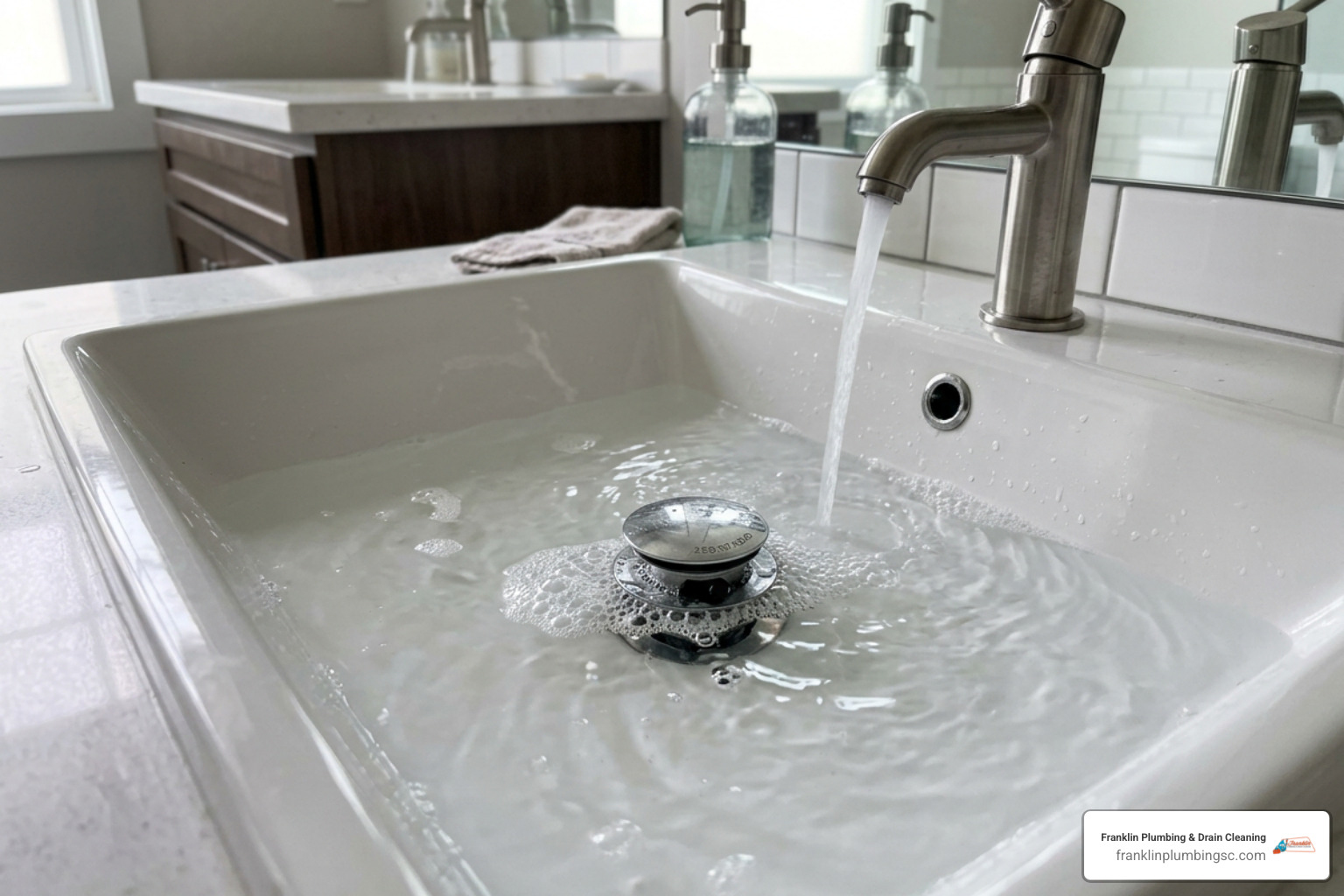
- Multiple Slow Drains: If a single sink is draining slowly, it is likely a localized clog. But if sinks, tubs, and showers throughout your entire home are draining slowly at the same time, the restriction is deep inside your main sewer lateral.
- Recurring Backups: If you have to call a plumber to clear your main drain on a predictable timeline (such as every six months or once a year), roots are almost certainly the culprit. They are growing back after each temporary clearing.
For a deeper dive into what these symptoms mean for your plumbing system, read more about common signs of a compromised sewer line.
Long-Term Damage Caused by Tree Roots in Sewer Line Systems
Ignoring the early warning signs of root intrusion is a recipe for structural disaster. As the roots grow thicker, they do not just block the flow of wastewater, they physically destroy the pipe.
Over time, the expanding root mass will break the pipe walls. Soil from the surrounding yard will begin to wash into the broken pipe, creating underground voids. This can lead to sunken patches or actual sinkholes in your lawn. Eventually, the structural integrity of the pipe fails completely, resulting in a total pipe collapse.
At this stage, wastewater can no longer escape to the municipal main. It will back up into your home through the lowest drains, causing extensive water damage and health hazards. If you suspect your pipes are reaching this critical point, it is vital to know when sewer line replacement may be necessary.
Professional Methods for Removing Tree Roots
If you have tree roots in a sewer line, DIY chemical flushes or retail hand-snakes will not solve the problem. To protect your home, you need professional diagnostic tools and heavy-duty clearing methods.
Our team utilizes advanced technology to see inside your pipes and clear out the toughest blockages without damaging your property. A sewer camera inspection lets us pinpoint the problem before any repair work begins.
Diagnostic Video Inspections
We never guess what is happening underground. The first step in any professional sewer service is a high-definition camera inspection.
During this process, we insert a flexible rod with a waterproof, high-resolution camera into your sewer cleanout. As the camera travels through the lateral, it transmits real-time video to a monitor. This allows us to:
- Pinpoint the exact location of the root intrusion
- Assess the severity of the root mass
- Determine the material and overall structural condition of your pipe
- Identify any structural damage, such as cracks, offsets, or collapses
This diagnostic step is crucial because it tells us whether the pipe is strong enough to handle high-pressure clearing or if it requires immediate structural repair.
Mechanical and Chemical Removal Options
Once we have mapped out the problem, we use one of several professional methods to clear the roots:
- Mechanical Root Cutting (Rooter Service): This traditional method involves running a motorized drain cleaning machine with a specialized, sharp cutting head through the pipe. The spinning blades slice through the root mass, cutting them away from the pipe walls so they can flush out of the system.
- Hydro Jetting: This is the gold standard for clearing roots. Hydro jetting uses a specialized nozzle to blast water through the pipe at pressures up to 4,000 PSI. This intense water pressure literally shears the roots off at the entry points and thoroughly scrubs grease and debris off the pipe walls, restoring the pipe to its original flow capacity.
- Chemical Root Treatments: After mechanically clearing the roots, we often recommend applying a professional-grade foaming root killer. The foam fills the entire pipe, coating the top and sides where roots enter. This chemical is absorbed by the remaining root ends, killing them back outside the pipe without harming the tree itself.
It is important to note that chemical treatments alone cannot clear a major blockage, and some retail chemicals can actually damage older pipes. To separate fact from fiction, here are a few sewer maintenance myths homeowners should know.
Long-Term Prevention and Repair Solutions
Clearing roots is only a temporary fix. Because the physical holes or cracked joints in your pipe still exist, those roots will grow back, often within 12 to 36 months. To solve the problem permanently, you must seal the entry points or replace the compromised pipe.
| Feature / Benefit | Trenchless Pipe Lining (CIPP) | Traditional Excavation |
|---|---|---|
| Lawn Disruption | Minimal (1 or 2 small access points) | Extensive (trench dug through yard) |
| Driveway/Patio Damage | Avoided entirely | High risk of cutting concrete |
| Installation Speed | Often completed in 1 day | Multiple days of digging and backfilling |
| Pipe Seams/Joints | Seamless, continuous epoxy tube | Multiple joints and connections |
| Root Resistance | Extremely high (no joints for entry) | Standard (depends on pipe material) |
| Lifespan | Up to 50 years | Up to 50+ years |
When your sewer lateral is structurally compromised, we offer advanced repair options to restore your home’s waste system. You can explore our sewer and water line replacement options to see what repair approach may fit your home.
Trenchless Pipe Repair Technologies
Thanks to modern technology, we no longer have to ruin your beautiful landscaping, driveway, or patio to repair a broken sewer line. Trenchless pipe repair allows us to fix your plumbing from the inside out.
The most common trenchless method is Cured-in-Place Pipe (CIPP) lining. We insert a flexible, epoxy-saturated sleeve into your existing pipe. Once in place, the sleeve is inflated, pressing the epoxy tightly against the old pipe walls. Using heat or UV light, the resin cures into a rock-hard, seamless, jointless plastic pipe within the old one. Because there are no joints or seams, roots can never find a way back inside.
If the pipe is too deformed for lining but the path is still clear, we can use pipe bursting. This involves pulling a heavy, cone-shaped bursting head through the old pipe, fracturing it outward while simultaneously pulling a brand-new, seamless HDPE plastic pipe into place behind it.
Smart Landscaping and Physical Barriers
If you are planting new trees or managing an existing yard, you can take practical steps to protect your underground lines:
- Know the Layout: Always map your sewer line before planting. You can request utility markings or have us locate your lateral with a camera transmitter.
- Plant at a Safe Distance: Keep large, aggressive-root trees at least 30 feet away from your sewer line.
- Install Root Barriers: You can install physical or chemical root barriers vertically in the soil between your trees and the sewer line path to redirect root growth downward and away from your pipes.
- Choose Sewer-Safe Plants: Opt for slow-growing trees with non-aggressive, compact root systems, such as flowering dogwoods, Japanese maples, or smaller ornamental shrubs.
For more practical advice on keeping your home’s main waste line running smoothly, follow these sewer line maintenance tips.
Responsibility and Insurance Coverage for Sewer Line Damage
One of the most common questions homeowners ask us is: “Who is responsible for fixing this?”
In almost all municipalities across the Columbia, SC area, including West Columbia, SC, Lexington, SC, and Irmo, SC, the property owner is legally responsible for the maintenance, repair, and replacement of the sewer lateral. The sewer lateral is the pipe that runs from your house to the connection point at the public main (which is often located under the street or easement).
Even if the root intrusion is caused by a tree planted on city property, such as a parkway tree, you are still generally responsible for maintaining your lateral pipe. The city is only responsible for the main sewer line itself.
When it comes to paying for these repairs, do not assume your standard homeowners insurance policy has you covered. Most standard policies explicitly exclude coverage for sewer backups and gradual underground wear and tear. Insurers typically classify root intrusion as a maintenance issue rather than a sudden, accidental event.
However, many insurance providers offer optional “Service Line Riders” or “Water Back-Up Endorsements” for a small additional monthly fee. If you have this specific coverage, it may help pay for excavation, pipe repair, and the cleanup of water damage resulting from a backup. We highly recommend reviewing your policy with your insurance agent before a plumbing emergency occurs.
Frequently Asked Questions about Tree Roots in Sewer Lines
How do tree roots enter sewer pipes?
Roots enter sewer pipes by following the moisture vapor that escapes from pre-existing structural weaknesses. Tiny hairline cracks, loose pipe joints, or deteriorated concrete seals release warm, nutrient-rich water into the soil. Microscopic root hairs detect this moisture gradient, grow toward it, slip into the gaps, and expand over time as they feed on the wastewater.
What are the first signs of tree roots in a sewer line?
The earliest signs include multiple slow drains throughout your home, gurgling or bubbling sounds coming from your toilets or floor drains, and recurring clogs that return even after being cleared. Outdoors, you might notice unusually green, lush patches of grass directly over the path of your sewer lateral.
How quickly do tree roots grow back after being removed?
Without structural repairs or ongoing preventative treatments, tree roots typically grow back to cause another partial or complete blockage within 1 to 3 years. Mechanical snaking or hydro jetting clears the interior of the pipe but leaves the external root system intact, allowing them to re-enter through the same unsealed openings.
Does homeowners insurance cover root damage to sewer lines?
Standard homeowners insurance policies generally do not cover damage caused by root intrusion, as insurance companies view this as a gradual maintenance issue. To get coverage, you must typically purchase a specific service line rider or water backup endorsement prior to the damage occurring.
Who is responsible for repairing a root-damaged sewer lateral?
The property owner is responsible for repairing and maintaining the sewer lateral pipe from the house all the way to the connection point at the city main. This responsibility remains with the homeowner even if the invading roots come from a tree planted on municipal property.
Can I use chemical root killers to clear a major blockage?
No. Chemical root killers are designed as preventative maintenance to slow down minor root growth. If you have a major blockage where drains are backed up, chemical treatments cannot dissolve the massive root balls or clear the pipe. You must have the roots mechanically removed or hydro-jetted first.
What is the most effective way to remove tree roots from a sewer line?
Hydro jetting is the most effective professional removal method. By blasting water through the pipe at pressures up to 4,000 PSI, hydro jetting completely shears off the roots at their entry points and scrubs the pipe walls clean of grease and debris without damaging structurally sound pipes.
How much does it cost to remove tree roots from a sewer line?
The cost of removing tree roots varies depending on the severity of the intrusion and the method used. A basic camera inspection and mechanical root cutting or hydro jetting service can range from several hundred dollars, while permanent structural repairs like trenchless pipe lining or excavation are more significant investments.
Which tree species are most dangerous to plant near sewer lines?
The most dangerous species have fast-growing, water-seeking root systems. These include silver maples, weeping willows, poplars, cottonwoods, sycamores, and elms. These trees should never be planted within 30 to 50 feet of your sewer lateral.
How can I prevent future root intrusion without removing my trees?
The most effective way to prevent future intrusion without removing your trees is to seal the pipe from the inside using trenchless cured-in-place pipe (CIPP) lining. This creates a jointless, seamless epoxy barrier that prevents moisture from escaping and roots from entering. You can also install physical root barriers in the soil.
Conclusion
Dealing with tree roots in a sewer line can feel like an overwhelming, stressful challenge. However, catching the problem early and addressing it with professional, long-term solutions will protect your home, preserve your landscaping, and save you thousands of dollars in emergency repairs.
At Franklin Plumbing & Drain Cleaning, we bring years of local expertise to every job across Columbia, SC and the surrounding communities, including West Columbia, SC, Lexington, SC, and Irmo, SC. Our licensed, experienced technicians are equipped with advanced diagnostic cameras, high-pressure hydro jetting systems, and trenchless repair options to solve your sewer line issues permanently. We back all of our work with a 100% satisfaction guarantee, giving you complete peace of mind that the job will be done right the first time.
Whether you need a routine diagnostic camera inspection, preventative drain cleaning, or a complete trenchless pipe restoration, our team is ready to deliver fast, reliable, and friendly service. If you suspect tree roots are quietly invading your home’s plumbing, do not wait for a messy backup to force your hand. Contact us today to schedule sewer repair in Columbia, SC and let our experts restore your peace of mind.

professional
drain cleaning

highly
recommended

through
repairs

quality
work