Trenchless vs. Traditional Sewer Repair in Lexington, SC
Home »
When Your Sewer Line Fails in Lexington, SC: What You Need to Know First
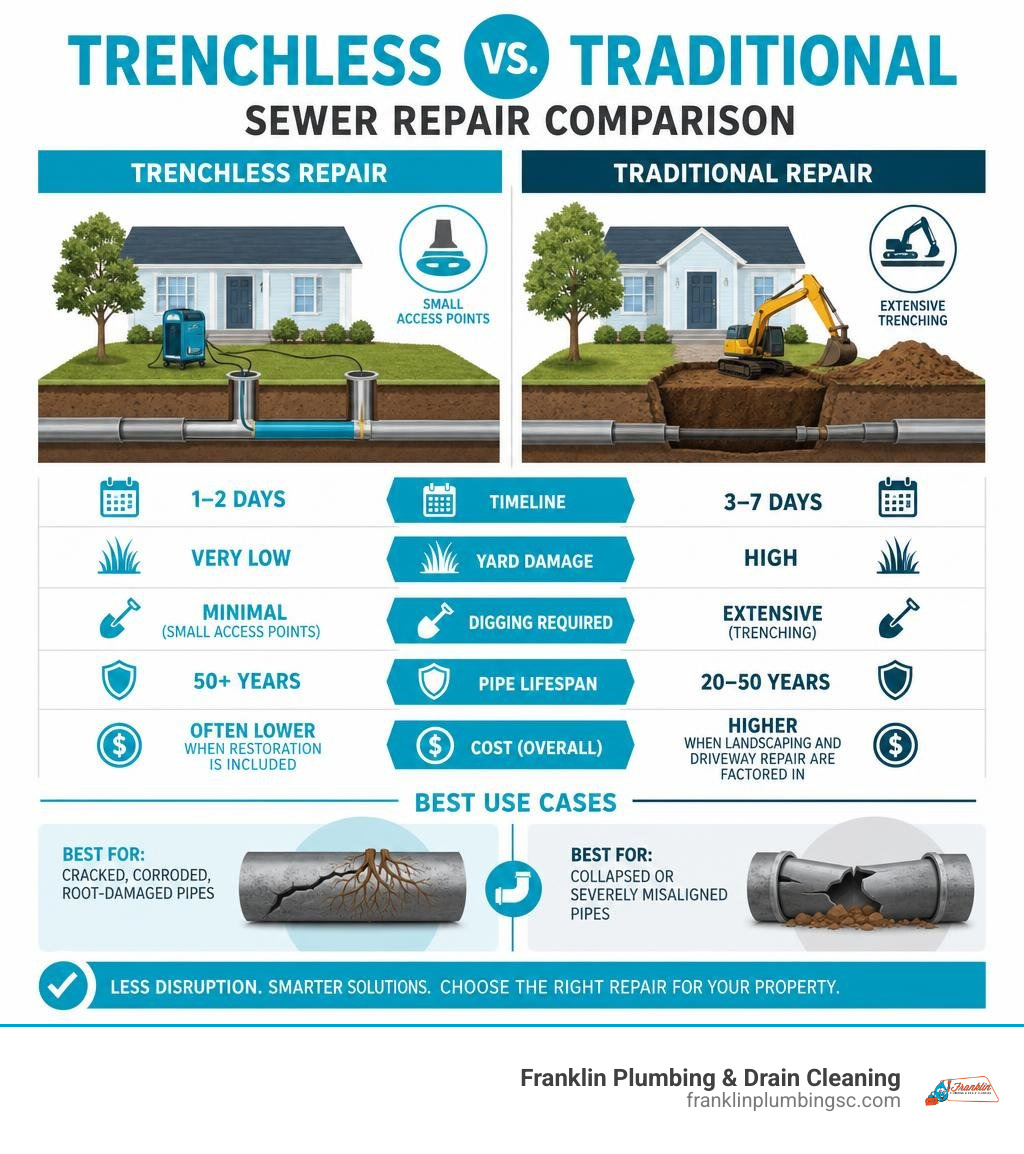
When weighing trenchless vs traditional sewer repair in Lexington, the right choice depends on your pipe’s condition, your property layout, and your budget. Here’s a quick breakdown:
| Factor | Trenchless Repair | Traditional Repair |
|---|---|---|
| Digging required | Minimal (small access points) | Extensive trenching |
| Project timeline | 1-2 days | 3-7 days |
| Yard/driveway damage | Very low | High |
| Pipe lifespan | 50+ years | 20-50 years |
| Best for | Cracked, corroded, root-damaged pipes | Collapsed or severely misaligned pipes |
| Cost (overall) | Often lower when restoration is included | Higher when landscaping and driveway repair are factored in |
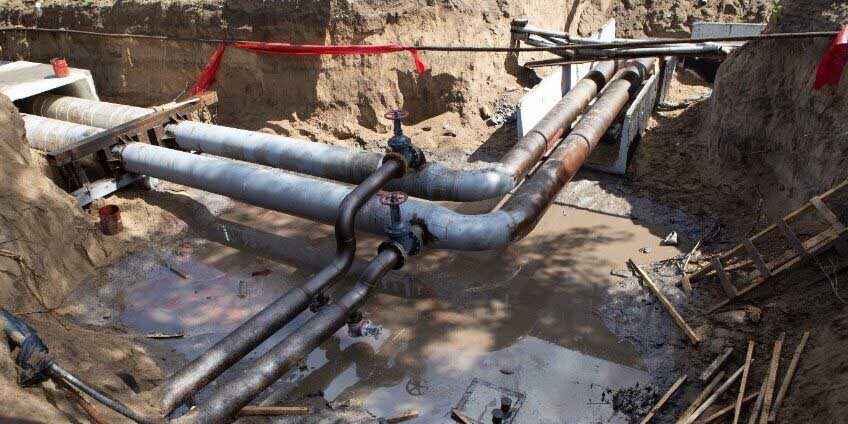
For generations, fixing a broken sewer line in Lexington, SC meant one thing: a backhoe tearing across your yard. Weeks of disruption. Torn-up landscaping. A driveway that never looked quite the same.
That’s no longer the only option.
Trenchless sewer repair has changed how homeowners and businesses in the Lexington area fix underground pipe problems. Instead of digging a long trench, technicians use small access points and modern materials to repair or replace damaged pipes from the inside out.
But trenchless isn’t always the right call. Some situations still require traditional excavation. Knowing the difference can save you time, money, and a lot of frustration.
Lexington’s clay-heavy soil expands and contracts with seasonal temperature changes, and the area’s mature tree canopy means root intrusion is a constant threat to older sewer lines. These local conditions make sewer line issues more common here than in many other regions, and they also shape which repair method makes the most sense for your property.
This guide breaks down both methods honestly, so you can make a confident, informed decision.
Trenchless vs Traditional Sewer Repair Lexington: Key Differences
When you are faced with a backed-up sewer line, understanding your options is the first step toward reclaiming your home’s plumbing health. The debate between trenchless technology and traditional excavation ultimately comes down to how we access the damaged pipe.
Traditional sewer repair relies on physical excavation. To fix or replace a pipe, plumbers must dig up everything sitting on top of it. If your sewer line runs directly beneath your beautifully manicured lawn, your concrete driveway, or your backyard patio, all of those features must be carved open to reach the line.
Trenchless technology, on the other hand, is often compared to keyhole surgery for your plumbing system. Instead of destroying your yard, technicians create one or two small access pits. From these points, specialized equipment repairs the pipe from within. The two primary trenchless methods are pipe lining (creating a new pipe inside the old one) and pipe bursting (pulling a brand-new pipe through the old one while breaking the old one apart).
Both methods serve the same ultimate goal: restoring a fully functional sewer main that carries waste safely away from your home. However, the path to getting there looks entirely different.
What is Trenchless Sewer Repair?
Trenchless sewer repair is a modern, minimally invasive family of techniques designed to restore or replace underground piping with almost zero digging. It relies on advanced materials and high-tech installation systems.
The most common trenchless method is Cured-In-Place Pipe (CIPP) lining. During this process, a flexible, felt tube coated with a heavy-duty epoxy resin is pulled or blown into the damaged pipe. Once in place, an inflatable bladder inside the tube is filled with air or steam, pressing the wet epoxy against the inner walls of the old pipe. Over several hours, the resin cures and hardens, creating a seamless, joint-free, and incredibly durable “pipe within a pipe.”
The second key trenchless method is pipe bursting. This technique is used when a completely new pipe is required. A powerful steel expansion head (or bursting “pig”) is pulled through the old line. As it moves, it physically shatters the old, brittle clay or cast iron pipe, pushing the fragments into the surrounding soil. Simultaneously, it pulls a highly durable High-Density Polyethylene (HDPE) pipe in directly behind it. This leaves you with a brand-new, seamless line in the exact same footprint as the old one.
What is Traditional Sewer Repair?
Traditional sewer repair is the time-tested, heavy-duty method of physical excavation. It begins with bringing heavy machinery, such as a backhoe or mini-excavator, onto your property. Technicians use this machinery to dig a continuous trench directly along the path of your sewer line.
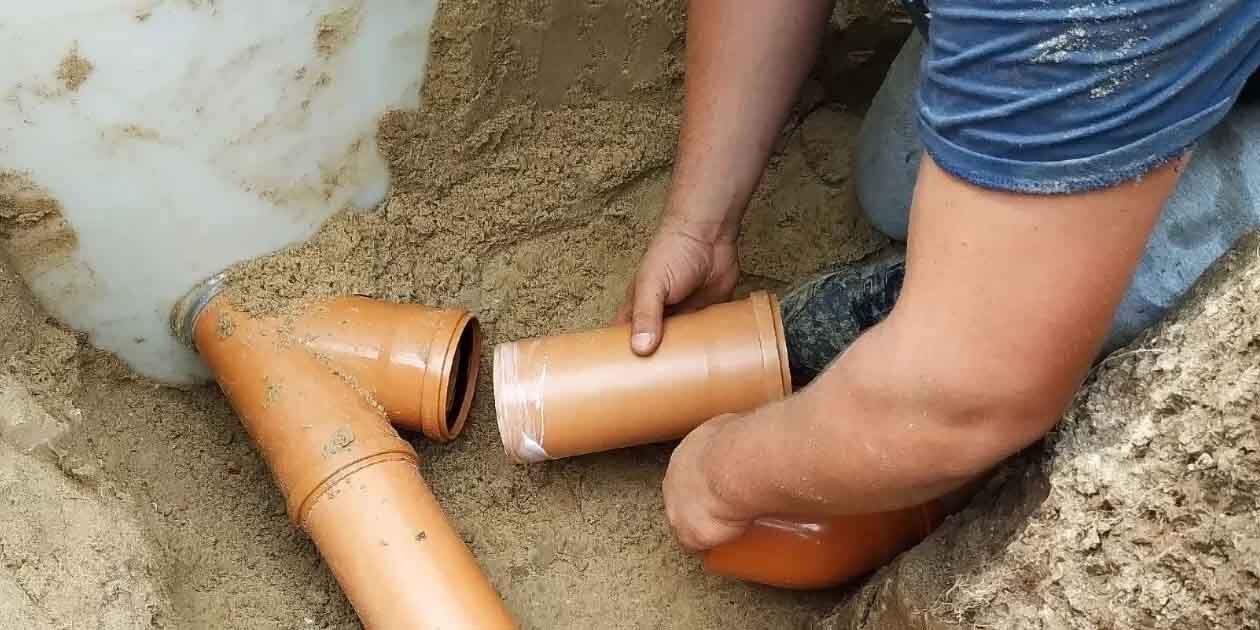
Once the pipe is exposed, plumbers manually cut out the damaged sections or remove the entire length of the old line. They then lay new pipes, typically made of schedule 40 PVC, connecting them with physical joints and couplings.
While this method is straightforward, it is highly disruptive. The physical footprint of a traditional excavation project is large. Soil is piled high in your yard, heavy equipment can compact your lawn, and any hardscaping, walkways, or gardens in the path of the trench must be completely removed. After the pipe is replaced, the trench is backfilled, but the soil often takes months to fully settle, leaving a visible scar across your property until extensive restoration work is completed.
Signs Your Lexington Home Needs Sewer Line Repair
Underground sewer line issues can be sneaky, but they rarely happen in complete silence. Because your main sewer line is the single exit point for all wastewater leaving your house, a malfunction will quickly disrupt your entire home.
If you notice any of the following warning signs, it is time to schedule a professional inspection:
- Multiple Slow Drains: If a single sink is draining slowly, it is likely a localized clog. However, if your bathtub, kitchen sink, and laundry drains are all sluggish at the same time, the restriction is deep within your main sewer line.
- Gurgling Toilets: When you run water in the bathroom sink or empty the washing machine, do your toilets bubble or make strange gurgling noises? This happens because trapped air cannot escape down the blocked sewer line, forcing it to vent back up through your toilet traps.
- Persistent Sewage Odors: A properly functioning sewer system is completely sealed. If you smell sewer gas inside your home, in your basement, or near specific drains, you likely have a cracked or broken sewer pipe.
- Soggy, Lush Green Patches in the Lawn: If a section of your grass is unusually vibrant, fast-growing, or perpetually wet, even during dry weather, your sewer line may be leaking nutrient-rich wastewater directly into the soil.
- Frequent Backups: If dirty water backs up into your shower or floor drains every time you flush the toilet, your main line is severely compromised.
In many older neighborhoods across Lexington, SC, mature oak and pine trees are the primary culprits behind these issues. Their roots seek out moisture and nutrients, finding their way through tiny cracks or joints in older clay and cast iron pipes. Once inside, the roots grow rapidly, acting as a net that catches hair, grease, and paper, eventually causing a total blockage.
When dealing with recurring clogs, some homeowners mistakenly turn to harsh chemical cleaners. However, these chemicals can cause severe chemical drain cleaner damage to your pipes, accelerating corrosion and leading to a complete structural failure that requires immediate replacement.
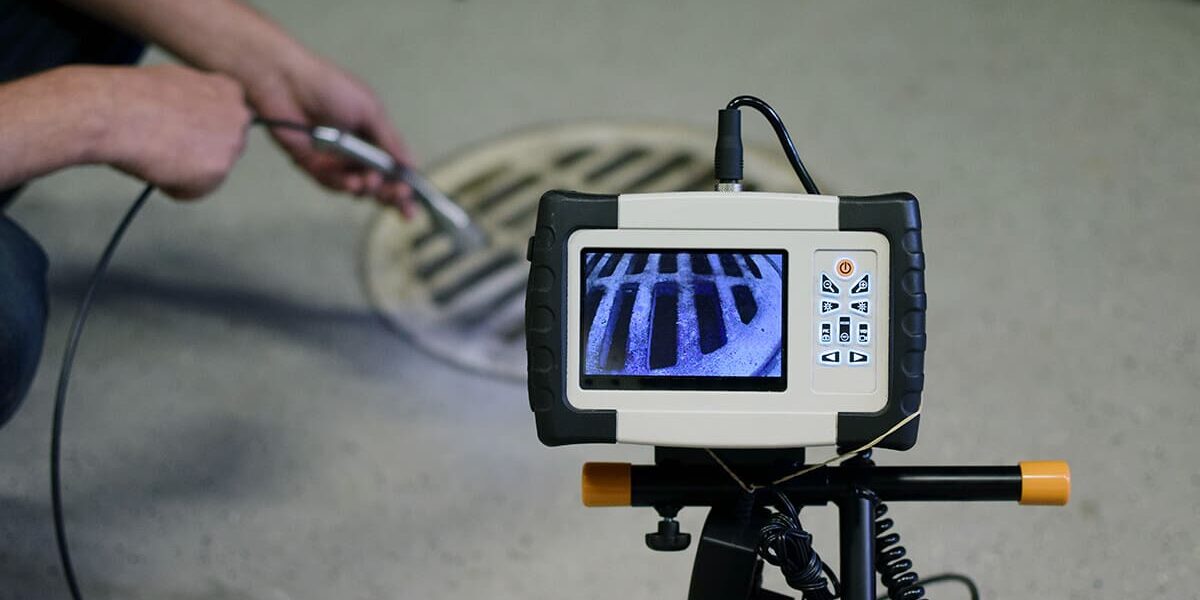
To pinpoint the exact cause of your sewer issues without guessing, we recommend starting with a professional sewer camera inspection. A waterproof, high-definition camera is fed down the line, allowing us to see the exact location of root intrusion, cracks, or structural collapses in real time.
Comparing the Methods: Cost, Speed, and Durability
Choosing the right approach requires looking at the big picture. While trenchless repair might seem like a premium service, it often saves homeowners significant time and money when you factor in the secondary costs of property restoration.
To help you visualize how these two methods stack up, let us examine their timelines, lifespans, and overall property impact:
- Project Timeline: Trenchless repairs are incredibly fast. Most pipe lining or pipe bursting projects are completed in just 1 to 2 days, meaning your water and sewer services are only offline for a few hours. Traditional excavation projects typically take anywhere from 3 to 7 days, during which your yard remains an active construction zone.
- Yard and Hardscape Damage: Trenchless methods require only small access pits, leaving your lawn, trees, gardens, and driveway completely untouched. Traditional digging requires a continuous trench, meaning any landscaping, concrete, or asphalt in its path must be destroyed and rebuilt.
- Environmental Impact: Trenchless technology keeps the soil intact, preserving local root systems and preventing the erosion of our local red clay. Traditional digging heavily disturbs the soil structure and requires fuel-heavy machinery operating on your property for days.
Cost Factors in Trenchless vs Traditional Sewer Repair Lexington
When comparing the costs of trenchless and traditional sewer repair, it is essential to look beyond the initial plumbing estimate.
At first glance, the upfront cost of trenchless sewer repair can sometimes be higher than a standard excavation quote. This is because trenchless technology requires highly specialized, expensive equipment, advanced epoxy resins, and technicians with specialized certifications.
However, traditional excavation has massive hidden restoration expenses. The plumbing quote for traditional digging only covers accessing and replacing the pipe; it does not cover putting your property back together.
Once the plumbers leave, you are responsible for hiring contractors to rebuild your yard. These secondary costs can add up quickly:
- Re-sodding and landscaping your lawn
- Replacing expensive mature trees and ornamental shrubs
- Repaving concrete driveways or asphalt walkways
- Rebuilding decks, patios, or fences that had to be dismantled
When you calculate the total cost of ownership, trenchless repair is often the more affordable option because it completely eliminates these expensive restoration bills.
Durability and Lifespan of Sewer Repairs
When you invest in repairing your main sewer line, you want to make sure the fix lasts for decades. Both modern trenchless materials and traditional replacement pipes offer excellent durability, but they achieve it in different ways.
Trenchless pipe lining utilizes high-grade epoxy resins that cure into a smooth, joint-free pipe. Because this new liner has no joints or seams, it eliminates the weak points where tree roots typically gain entry. Similarly, pipe bursting utilizes High-Density Polyethylene (HDPE) piping, which is incredibly strong, flexible, and chemically resistant. Both of these trenchless materials are designed to last for 50 years or more.
Traditional replacements typically use schedule 40 PVC pipes. While PVC is incredibly durable and can also last up to 50 years, it must be connected using physical joints and couplings every few feet. Over time, ground shifting, soil compaction, and the weight of the earth can put stress on these joints, potentially creating small gaps where tree roots can eventually creep back in.
Additionally, if you live in an older home, understanding how your system handles seasonal changes is crucial. For tips on managing older plumbing systems, check out our guide on preventing frozen pipes in older homes.
When Traditional Sewer Repair Is Still the Better Option
While trenchless technology is an incredible solution for many homes, it is not a magic wand. There are specific scenarios where traditional excavation is still the only safe, reliable, and effective choice.
The most common limitation of trenchless pipe lining is that it requires a “host” pipe. Because CIPP lining relies on the existing pipe to guide the resin tube, the old pipe must still have its basic structural shape. If your sewer line has completely collapsed, crushed under the weight of the soil, or rusted away entirely, there is no channel left to line. In these cases, traditional excavation is necessary to physically remove the debris and lay a new pipe.
Severe pipe “bellies” also rule out trenchless lining. A pipe belly is a sunken section of the sewer line where the pipe sags downward, creating a low spot that constantly pools water and debris. If you run a trenchless liner through a bellied pipe, the new liner will simply follow the sag, leaving you with the exact same drainage problem. Traditional digging is required to excavate the area, relevel the trench bedding, and install a straight, properly sloped pipe.
Finally, severe joint offsets, where the pipes have shifted so far apart that they no longer align, or conflicts with other buried utility lines (such as gas, water, or electrical lines) can make trenchless methods too risky or physically impossible. When planning any major outdoor pipe work, it is helpful to review the basic guidelines for installing sewer lines outside your property to ensure a smooth, code-compliant installation.
Choosing Trenchless vs Traditional Sewer Repair Lexington for Your Property
Deciding which method is best for your property requires a careful balance of physical and environmental factors. In Lexington, SC, our local geography plays a massive role in this decision:
- Red Clay Soil: The heavy red clay soil found throughout the Midlands SC area is highly expansive. It absorbs large amounts of water and swells during rainy seasons, then shrinks and cracks during dry spells. This constant movement puts immense physical stress on buried pipes, often causing older, rigid clay or cast iron lines to crack or shift.
- Mature Trees: Neighborhoods with mature pine, oak, and maple trees face constant root pressure. Trenchless CIPP lining is highly favored here because its seamless design offers no entry points for hungry roots.
- Property Layout: If your sewer line runs directly under a manicured lawn with no major obstructions, traditional excavation might be highly competitive in cost. However, if your line runs beneath a concrete driveway, a brick patio, or mature landscaping, trenchless is almost always the superior choice to avoid massive restoration bills.
To help you choose, we recommend partnering with a team that provides expert sewer line solutions and uses high-definition camera inspections to thoroughly evaluate your pipes before making a recommendation.
Frequently Asked Questions
What is the main difference between trenchless and traditional sewer repair?
The main difference is the amount of digging required. Traditional sewer repair requires digging a continuous, deep trench along the entire length of the pipe to physically replace it. Trenchless sewer repair uses advanced technology to repair or replace the pipe from the inside out through just one or two small access points, preserving your yard and landscaping.
How much does trenchless sewer repair cost in Lexington, SC?
The cost of trenchless sewer repair can vary widely depending on the length of the pipe, its depth, and the specific method used (lining vs. bursting). While the upfront plumbing cost for trenchless can sometimes be higher than traditional digging, it is often much more cost-effective overall because it eliminates the need for expensive yard, driveway, and landscaping restoration.
How long does trenchless sewer pipe lining last?
Modern trenchless pipe lining materials, such as high-grade epoxy resins and High-Density Polyethylene (HDPE) pipes, are designed for extreme durability. When installed correctly by licensed professionals, a trenchless sewer repair can easily last for 50 years or more, resisting corrosion and root intrusion.
Will trenchless sewer repair damage my landscaping or driveway?
No, one of the greatest benefits of trenchless repair is that it protects your property. Because it only requires small access pits at the entry and exit points of the pipe, your gardens, mature trees, concrete driveways, and patios remain completely undisturbed.
Can trenchless pipe lining fix severe tree root intrusion?
Yes, as long as the pipe has not completely collapsed. First, we use professional hydro jetting equipment to completely clear the roots out of the pipe. Then, we install the epoxy liner, which cures into a seamless, joint-free pipe that prevents future roots from ever finding a way inside.
How long does the traditional sewer excavation process take?
A traditional sewer excavation project typically takes anywhere from 3 to 7 days to complete. This timeline includes digging the trench, replacing the pipe, getting municipal inspections, backfilling the soil, and performing initial cleanup.
When is traditional sewer repair necessary instead of trenchless?
Traditional excavation is required when a sewer line has completely collapsed, has a severe belly (sag) that collects standing water, or has shifted so far out of alignment that a liner cannot physically pass through it.
Is trenchless sewer repair environmentally friendly?
Yes, trenchless methods are much better for the environment. They require minimal soil disruption, which protects local plant root systems and prevents soil erosion. Additionally, the process requires less heavy machinery, reducing the overall carbon footprint of the project.
Does homeowner insurance cover trenchless sewer line replacement?
Standard homeowner insurance policies typically do not cover wear-and-tear issues like aging pipes or root intrusion. However, if your policy includes a specific “service line coverage” endorsement, or if the damage was caused by a sudden, catastrophic event, a portion of the repair costs may be covered. We always recommend checking with your insurance provider.
What should I ask a plumber before hiring them for sewer repair in Lexington, SC?
Always ask if they are fully licensed and insured, whether they perform a sewer camera inspection before and after the repair, what specific warranties they offer on both materials and labor, and if their estimate includes the cost of property restoration.
Conclusion
Dealing with a main sewer line issue can feel overwhelming, but modern plumbing advancements mean you do not have to watch your beautiful Lexington, SC yard get torn to pieces. By understanding the differences between trenchless technology and traditional excavation, you can choose the method that best protects your property, your schedule, and your budget.
Whether your home requires a seamless, root-resistant epoxy liner or a traditional excavation to correct a collapsed pipe, the key to a long-lasting repair is partnering with a team you can trust.
At Franklin Plumbing & Drain Cleaning, we are proud to serve our neighbors throughout Lexington, SC and the surrounding Midlands communities. Our licensed, experienced technicians back every job with a 100% satisfaction guarantee, ensuring your home’s plumbing system is restored safely and efficiently. If you are experiencing slow drains, gurgling toilets, or suspect a main line issue, contact us today to schedule your professional sewer line repair services in Lexington, SC.

professional
drain cleaning

highly
recommended

through
repairs

quality
work