Water Heater Leaking From the Bottom? Causes and Next Steps
Home »
What to Do When You Have a Water Heater Leaking From the Bottom
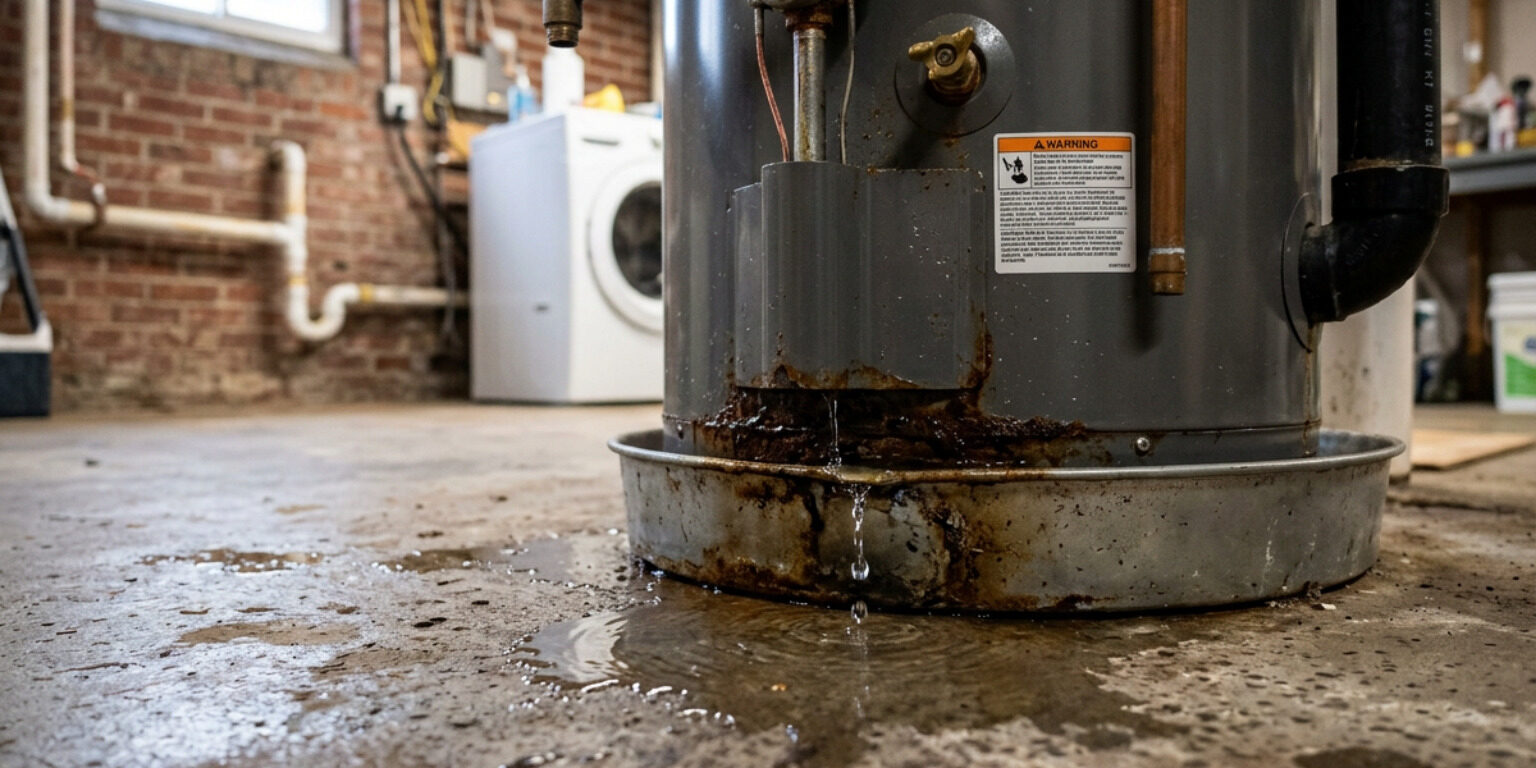
A water heater leaking from the bottom is one of those problems that demands your attention right away. That puddle on your utility room or basement floor is not something to mop up and ignore. In many cases, it signals a serious internal problem that could lead to flooding, mold, or even a complete tank failure.
Here’s a quick answer if you need it fast:
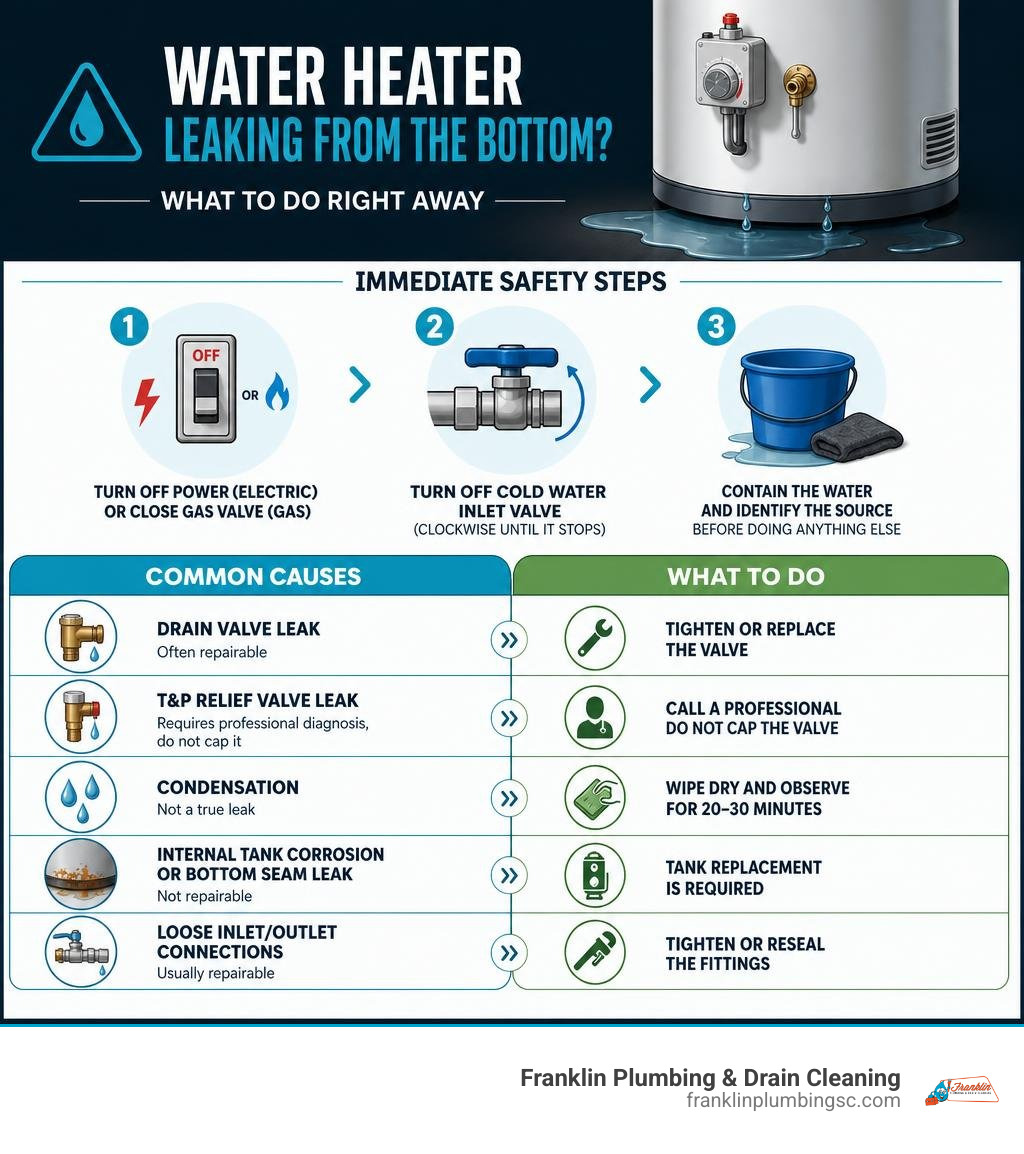
- Drain valve leak (tighten or replace the valve, often repairable)
- T&P (temperature and pressure) relief valve leak (requires professional diagnosis, do not cap it)
- Condensation (not a true leak, wipe dry and observe for 20-30 minutes)
- Internal tank corrosion or bottom seam leak (tank replacement is required, not repairable)
- Loose inlet/outlet connections (usually repairable by tightening or resealing fittings)
Your first three moves, no matter the cause:
- Turn off the power (electric) or close the gas shut-off valve (gas heater)
- Turn off the cold water inlet valve (clockwise until it stops)
- Contain the water and identify the source before doing anything else
The tricky part is that not every puddle under your water heater means the tank itself is failing. Water travels downward, so a drip from a top fitting or valve can pool at the base and look like a bottom leak. But if the tank itself is leaking, the situation is more urgent.
Roughly 14,000 U.S. homeowners deal with a water leak disaster every single day, and failed water heaters are a major contributor. If your unit is more than 8-10 years old and showing signs of corrosion or sediment buildup, that puddle on the floor may be telling you the end is near.
The sections below walk you through exactly how to diagnose the source, understand your options, and decide whether you need a repair or a full replacement.
Immediate Safety Steps When Your Water Heater Is Leaking
When you walk into your utility closet or garage and see water pooling around the base of your appliance, your immediate priority must be safety. Water and electricity are a dangerous combination, and gas-powered units present their own hazards. Taking quick action can prevent extensive water damage and help keep your household safe.
Follow these critical steps within the first five minutes of discovering a leak:
- Shut Off the Energy Source: For an electric water heater, locate your home’s main electrical panel and switch off the circuit breaker dedicated to the water heater. Never touch the water heater or stand in pooled water while the power is still connected. For a gas water heater, locate the gas control valve on the unit or the gas line leading to it and turn the dial to the “OFF” position.
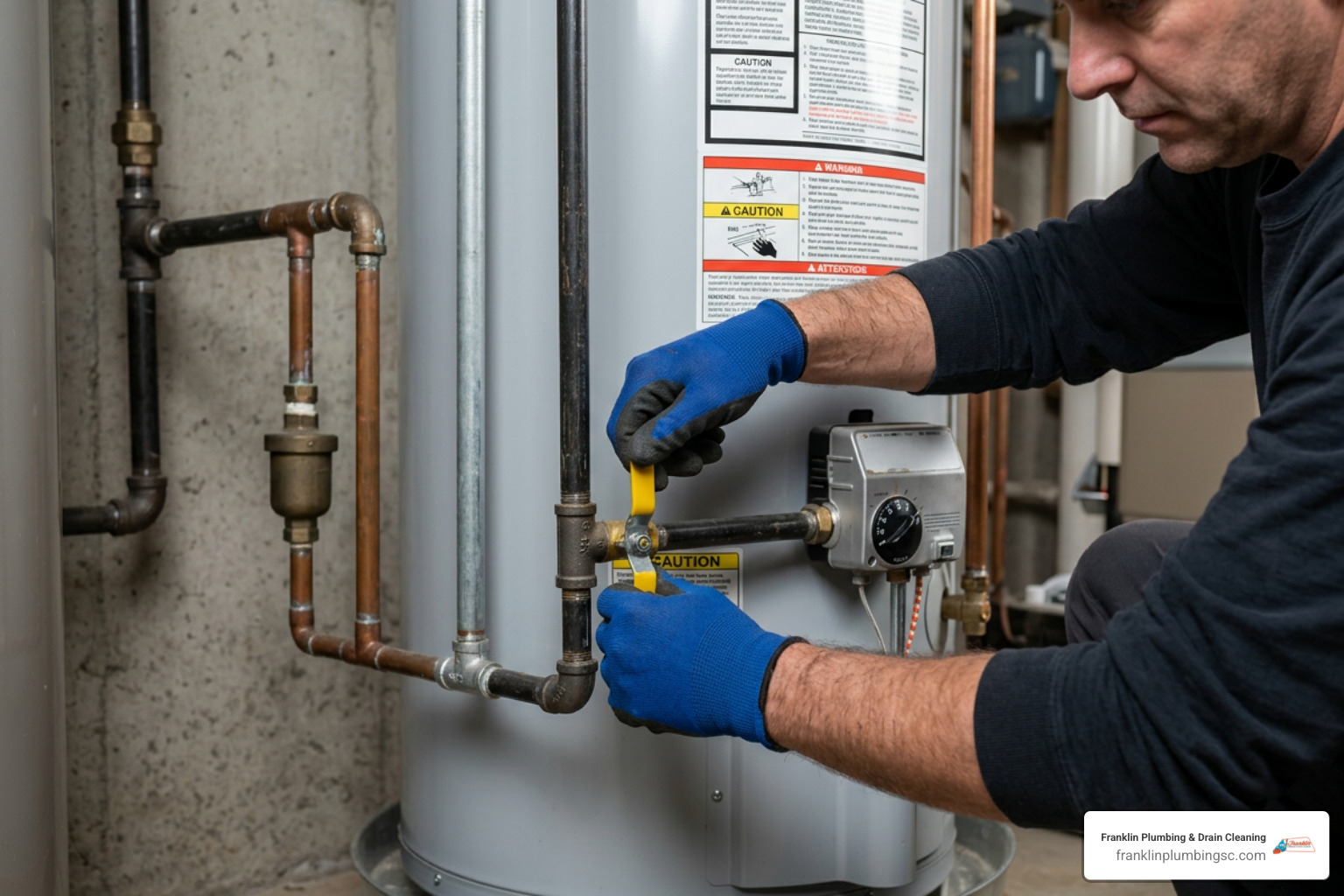
- Turn Off the Water Supply: Locate the cold water inlet valve, which is usually positioned on the cold water line entering the top of the tank. Turn this valve clockwise until it stops to stop the flow of water. If the valve is stuck or the leak is severe, you may need to turn off the main water shut-off valve for your entire home.
- Contain the Water: Lay down old towels, place buckets under active drips, or use a wet-dry vacuum to clean up standing water. This helps protect your drywall, flooring, and nearby belongings from structural damage or mold growth.
- Avoid Risky DIY Repairs: Do not cap a T&P relief valve, work on energized electrical components, or attempt repairs on a leaking tank. If you are unsure of the source or need help shutting down the system safely, contact a licensed plumber.
By isolating the utilities, you reduce the risk of electrical shock, gas-related hazards, and continuous flooding while you investigate the problem.
For a suspected tank failure, persistent leak, or water damage concern, Franklin Plumbing & Drain Cleaning’s plumbing services team can help diagnose the issue and recommend the safest next step.
Is Your Water Heater Leaking from the Bottom or Somewhere Else?
Before assuming your entire appliance is ruined, you need to verify where the water is actually coming from. Water follows the path of least resistance and travels downward. A small drip at the top of your tank can run down the outer jacket, hide behind the insulation, and pool at the base, creating the illusion of a water heater leaking from the bottom.
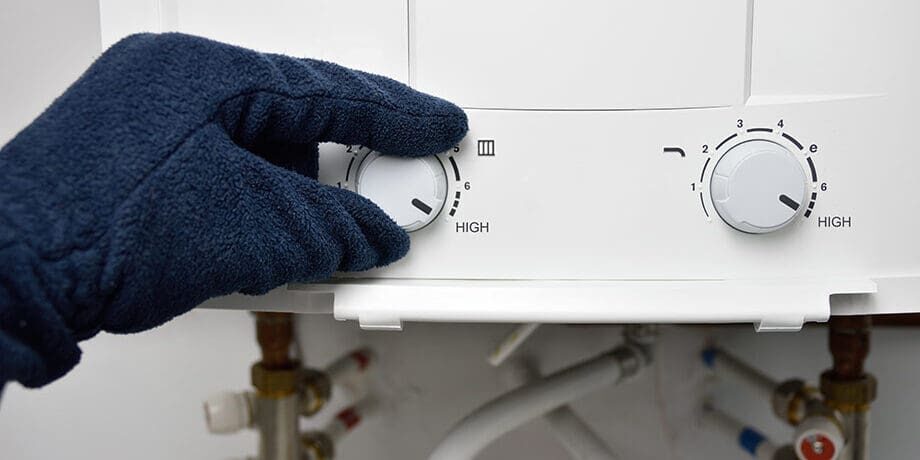
Taking the time to investigate can save you from replacing a perfectly good system that simply needs a connection tightened.
Routine flushing and basic maintenance can prevent minor issues from becoming major leaks. Franklin Plumbing & Drain Cleaning explains practical steps homeowners can take in its guide to maintaining a water heater to help prevent leaks.
Ruling Out Condensation and Top Connection Leaks
The first step in troubleshooting is ruling out external moisture sources:
- Condensation: This is especially common on gas water heaters during humid South Carolina summers. When cold water fills a completely empty tank, condensation can form on the exterior of the steel shell and drip down to the floor. To test this, wipe the damp areas completely dry with a paper towel and watch the unit for 20 to 30 minutes. If the moisture returns as widespread, light dampness rather than a steady drip, it is likely condensation.
- Cold Water Inlet and Hot Water Outlet Connections: Inspect the metal pipes entering and exiting the top of your tank. If you see active dripping, rust, or mineral crust around these fittings, the leak is coming from the top. This is usually caused by worn-out rubber washers, loose dielectric unions, or corroded pipe threads.
- Tankless Condensation and Fittings: Tankless units can also develop moisture issues. Check for loose water connections, a clogged condensate drain, or other signs that the water is coming from an external fitting rather than a failed heat exchanger.
Identifying a True Water Heater Leaking From Bottom
If the top connections are dry and you have ruled out simple condensation, it is time to look closely at the bottom third of the appliance. A true bottom leak typically presents in one of three ways:
- Water Seeping from the Bottom Seam: If water is actively trickling out from beneath the outer metal jacket or the bottom seam of the tank, this is a clear sign that the inner steel storage tank has ruptured.
- A Dripping Drain Valve: The drain valve is the boiler-style spigot near the bottom of the tank used for flushing sediment. If you see water dripping directly from the opening of this valve or around its plastic or brass threads, the valve itself is failing or not fully closed.
- Rusty, Discolored Pools: If the water pooling beneath your tank has a distinct brown, orange, or rusty tint, it indicates that the internal steel lining is actively corroding and rusting away from the inside out.
Common Causes of a Water Heater Leaking from the Bottom
To determine whether your water heater can be saved, it helps to understand the physical and chemical processes occurring inside the tank. Water heaters are constantly subjected to heat, high pressure, and mineral-heavy water, which eventually take a toll on the system’s structural integrity.
When these forces overcome the protective mechanisms of your appliance, you may find your water heater leaking from the bottom. Common causes include sediment buildup, a depleted anode rod, and a failing valve.
Sediment Buildup and Hard Water Damage
Even though the municipal water supply in Columbia, SC, and surrounding areas such as Lexington, SC, or West Columbia, SC, is generally high quality, it still contains dissolved minerals like calcium carbonate and magnesium. Over years of constant heating, these minerals crystallize, fall to the bottom of the tank, and form a thick layer of scale.
This sediment buildup acts as an insulating blanket over the heating element in electric models or the burner flame in gas models. As a result:
- The burner or heating element must run longer and hotter to heat water through the sediment.
- This localized overheating subjects the steel bottom of the tank to thermal stress.
- Over time, the protective glass lining inside the tank can crack under heat and expansion, allowing water to contact the steel shell and corrode it.
Sacrificial Anode Rod Depletion
Your water heater features an important line of defense called the sacrificial anode rod. This long metal rod, usually made of magnesium, aluminum, or zinc, is suspended inside the tank. Through an electrochemical process, corrosive elements in the water attack the anode rod instead of the steel tank.
However, the anode rod is designed to be temporary. Within three to five years, the rod can degrade substantially. Once it is depleted, corrosive elements in your water can begin attacking the steel tank walls, leading to pinhole leaks and eventual structural failure along the bottom seams.
Faulty Temperature and Pressure (T&P) Relief Valve or Drain Valve
Not all bottom leaks require a new appliance. Sometimes, the issue is a faulty valve:
- The T&P Relief Valve: This critical safety valve is designed to open and release water through a dedicated discharge tube if internal temperature or pressure reaches an unsafe level. If the valve is old, corroded, or your home’s water pressure is too high, it may weep or discharge water. Because the discharge tube routes water down toward the floor, this can be mistaken for a tank leak.
- The Drain Valve: Many standard water heaters have plastic drain valves. Over time, the threads can warp, crack, or fail to seal completely after a routine flush. A licensed plumber can determine whether the valve can be replaced safely.
Repair vs. Replacement: Making the Right Decision
When faced with a water heater leaking from the bottom, the most important question is whether you can repair the unit or need a full replacement. Making the wrong choice can lead to wasted money on a temporary fix or a serious flood in your home.
The table below outlines how to evaluate the situation based on where the leak is originating and the age of your system:
| Leak Location / Symptom | Likely Cause | Can It Be Repaired? | Recommended Action |
|---|---|---|---|
| Water dripping from top fittings | Loose connections or worn washers | Yes | Tighten or replace fittings |
| Water dripping from T&P discharge tube | Faulty valve or excess system pressure | Yes | Replace valve or install pressure regulator |
| Active drip from drain valve spigot | Debris in valve or cracked plastic housing | Yes | Replace the drain valve |
| Water seeping from bottom seam | Cracked inner steel tank shell | No | Full water heater replacement required |
| Rusty, orange-brown water pooling at base | Severe internal corrosion of the tank | No | Full water heater replacement required |
If you are unsure where your system falls on this spectrum, Franklin Plumbing & Drain Cleaning’s article on when to replace a water heater can help you recognize age, corrosion, and performance signs that point to replacement.
When a Bottom Leak Can Be Repaired
You are in luck if the leak is isolated to external components. A licensed plumber can perform the following repairs:
- Drain Valve Replacement: If the tank itself is structurally sound but the drain valve is dripping, a plumber can drain the tank, remove the faulty valve, and install a durable replacement.
- T&P Valve Replacement: If the temperature and pressure relief valve is weeping because of age or mineral buildup, it can be replaced with a code-compliant valve.
- Adjusting System Pressure: If the T&P valve is discharging because your home’s water pressure is too high, a pressure-reducing valve on the main water line can protect the water heater and other plumbing fixtures.
When a Water Heater Leaking From Bottom Requires Replacement
Unfortunately, if the leak is coming from the inner steel tank itself, there is no reliable way to patch, weld, or seal it. The pressure inside the tank can cause a temporary patch to fail quickly, creating a serious flooding risk.
Replacement is the safe option if:
- Water is actively seeping from the bottom seam or outer metal jacket of the tank.
- The system is more than 8 to 10 years old and showing signs of extensive rust and corrosion.
- You hear loud popping, rumbling, or banging noises when the unit is running, indicating significant sediment buildup that may have compromised the tank floor.
If replacement is necessary, our tankless water heater services team can help you compare efficient options that fit your household’s hot water needs.
How to Prevent Future Water Heater Leaks
While water heaters do not last forever, routine preventive maintenance can extend the life of your appliance and help prevent a water heater leaking from the bottom in the future.
To keep your new or existing water heater running efficiently, implement these maintenance habits:
- Perform an Annual Tank Flush: Once a year, attach a garden hose to the drain valve and flush out accumulated sediment at the bottom of the tank. This prevents localized hot spots, reduces thermal stress, and can improve efficiency.
- Replace the Anode Rod Every 3 to 5 Years: Do not wait for your water heater to start leaking to check the anode rod. Inspecting and replacing this inexpensive rod before it completely degrades helps protect the steel tank from rust.
- Install a Thermal Expansion Tank: When water is heated, it expands. If your home has a closed plumbing system, thermal expansion can place additional pressure on the water heater’s inner tank. A thermal expansion tank absorbs this excess volume and can help protect the system.
- Monitor Your Water Pressure: Ensure your home’s water pressure stays within the range recommended for your plumbing system. Excessive pressure can strain water heater components and other fixtures over time.
A Note on DIY Safety and Professional Assistance
While basic maintenance can extend the life of your system, working with pressurized water, gas lines, and electrical connections carries inherent risks. If safety concerns arise, you lack the specialized tools required, or you are unsure about performing a maintenance task correctly, contact a certified professional. Plumbing and electrical systems are complex, and professional service helps protect your home and support local code compliance.
Frequently Asked Questions About a Water Heater Leaking From Bottom
Finding a puddle under your appliance can raise a lot of immediate questions. Here are clear, straightforward answers to the most common concerns homeowners have when dealing with a leaking water heater.
Is a water heater leaking from the bottom dangerous?
Yes, a leaking water heater can pose several safety hazards. If water comes into contact with the electrical heating elements or thermostat wiring on an electric model, it can cause a dangerous short circuit or electrical shock. Additionally, if the temperature and pressure relief valve is blocked or capped in a misguided attempt to stop a leak, pressure can build up inside the compromised tank, creating a severe risk of rupture or explosion.
Can a bottom seam leak be patched or welded?
No, a bottom seam leak cannot be patched, welded, or repaired. Residential water heaters operate under high water pressure. Once the internal steel tank has corroded through or cracked along a welded seam, any attempt to patch the exterior of the tank will fail. Attempting to weld a pressurized tank is incredibly dangerous and violates local plumbing codes. The only safe solution is to replace the unit.
How long does a typical tank water heater last?
A standard tank-style water heater typically lasts between 8 and 12 years. In areas with moderately hard water or high usage, a system might begin to fail around year 6 or 8 if it does not receive regular maintenance. With routine flushing and timely anode rod replacements, some high-quality tanks can last 15 years or more.
Why does hard water cause water heaters to leak faster?
Hard water contains high concentrations of dissolved minerals like calcium and magnesium. When heated, these minerals settle out of the water and form a thick layer of rock-like scale at the bottom of the tank. This scale insulates the heat source, forcing the tank bottom to overheat and undergo intense thermal stress, which eventually cracks the protective glass lining and allows the steel shell to rust.
How often should I flush my water heater tank?
You should flush your water heater tank at least once a year. If you live in an area with particularly hard water or have a large household with high hot water usage, flushing the tank every six months is highly recommended to prevent heavy sediment accumulation.
Can I still use hot water if my heater is leaking?
It is highly recommended that you do not continue using a leaking water heater. Even a small, slow drip can suddenly turn into a major rupture, releasing 40 to 50 gallons of pressurized water into your home. Additionally, running a leaking electric water heater can damage the electrical components or cause a fire hazard. It is best to shut down the unit immediately.
Does homeowners insurance cover a leaking water heater?
Homeowners insurance typically covers the structural water damage caused by a sudden, accidental water heater leak, such as ruined drywall or flooring. However, insurance policies rarely cover the cost of replacing the water heater itself, as tank failure due to rust, scale, or old age is generally classified as a maintenance issue rather than a sudden accident.
What is the purpose of the sacrificial anode rod?
The sacrificial anode rod is a temporary metal rod made of magnesium or aluminum that is suspended inside the steel tank. Its sole purpose is to attract the corrosive elements in the water. Through electrolysis, these elements corrode the anode rod instead of the steel tank walls, preserving the structural integrity of your appliance.
Why is my tankless water heater leaking from the bottom?
While tankless systems do not have a large storage tank to rust out, they can still leak from the bottom. This is usually caused by heavy mineral scale buildup inside the compact heat exchanger, a clogged condensation drain line, loose water pipe connections, or a failing internal flow sensor.
When should I call a professional plumber for a leak?
You should call a licensed plumber immediately if you notice water seeping from the bottom seam of your tank, if you smell gas near your water heater, or if you are uncomfortable performing safety shutdowns. A professional plumber has the specialized tools and training to safely diagnose the leak, ensure code compliance, and perform a seamless repair or replacement.
Conclusion
Discovering a water heater leaking from the bottom is never convenient, but acting quickly can mean the difference between a simple valve repair and costly water damage. If you have confirmed that the leak is coming from a compromised inner tank rather than a loose fitting, it is time to bring in a professional team.
At Franklin Plumbing & Drain Cleaning, our licensed, experienced plumbers provide dependable water heater service throughout Columbia, SC, and surrounding communities, including West Columbia, SC, Lexington, SC, and Blythewood, SC. We focus on identifying the source of the leak and recommending the safest, most cost-effective solution for your home, backed by our 100% satisfaction guarantee.
Whether you need water heater repair, routine maintenance, or a complete replacement, contact our professional water heater technicians at Franklin Plumbing & Drain Cleaning to schedule service.

professional
drain cleaning

highly
recommended

through
repairs

quality
work