When Does Your Columbia Home Need a Sewer Camera Inspection?
Home »
Why an Accurate Leak Detection Service Matters
An accurate leak detection service finds the source of a hidden plumbing leak with specialized testing before unnecessary cutting, digging, or demolition begins. For busy homeowners and business owners in Columbia, SC, that means faster answers, less disruption, and a clearer path to repair.
| What to look for | Why it matters |
|---|---|
| Higher water bills | A concealed supply-line leak may be wasting water every day. |
| Damp walls, floors, or ceilings | Moisture can damage finishes and support mold growth. |
| Low water pressure or running-water sounds | These can point to a leak in a pressurized pipe. |
| Wet spots near a slab or in the yard | Underground water, sewer, or irrigation lines may be failing. |
Hidden leaks can damage drywall, flooring, framing, foundations, and landscaping long before the source is visible. Modern diagnostic tools, including acoustic listening equipment, thermal imaging, pressure testing, and sewer cameras, help locate many leaks without opening large sections of walls, floors, or concrete.
The goal is simple: identify the problem precisely, protect the property, and help repairs stay focused on the area that truly needs attention.
The Franklin Plumbing & Drain Cleaning team can help property owners understand what to expect from a reliable leak detection professional.
Signs You Need a Professional Leak Specialist
Recognizing the early warning signs of a hidden plumbing failure can save property owners thousands of dollars in structural repairs. Water moving through concealed supply pipes, drain lines, and underground mains operates under continuous pressure or volume. When a fissure, joint failure, or pinhole leak develops behind drywall or beneath a foundation, water accumulates silently in building cavities.
Unaddressed water intrusion leads to rot in wall studs, subfloor decay, foundation movement, and rapid growth of toxic mold species. Identifying subtle indicators early helps protect home value and structural integrity across Columbia, SC and surrounding areas like Lexington, SC, Irmo, SC, and Forest Acres, SC.
A sudden, unexplained rise in monthly municipal water bills without changes in household habits is often the first red flag. Even a micro-leak measuring less than an eighth of an inch can waste hundreds of gallons of water every day. According to the EPA WaterSense guidance, average household leaks can waste thousands of gallons of water annually, making prompt action vital.
Interior aesthetic signs also indicate active moisture tracking behind walls and above ceilings. Watch closely for wall dampness, paint blistering, peeling wallpaper, buckled hardwood flooring, or sheetrock discoloration. Persistent drops in water pressure across multiple faucets and showers often point to an active loss of volume along fresh supply lines or main entry lines.
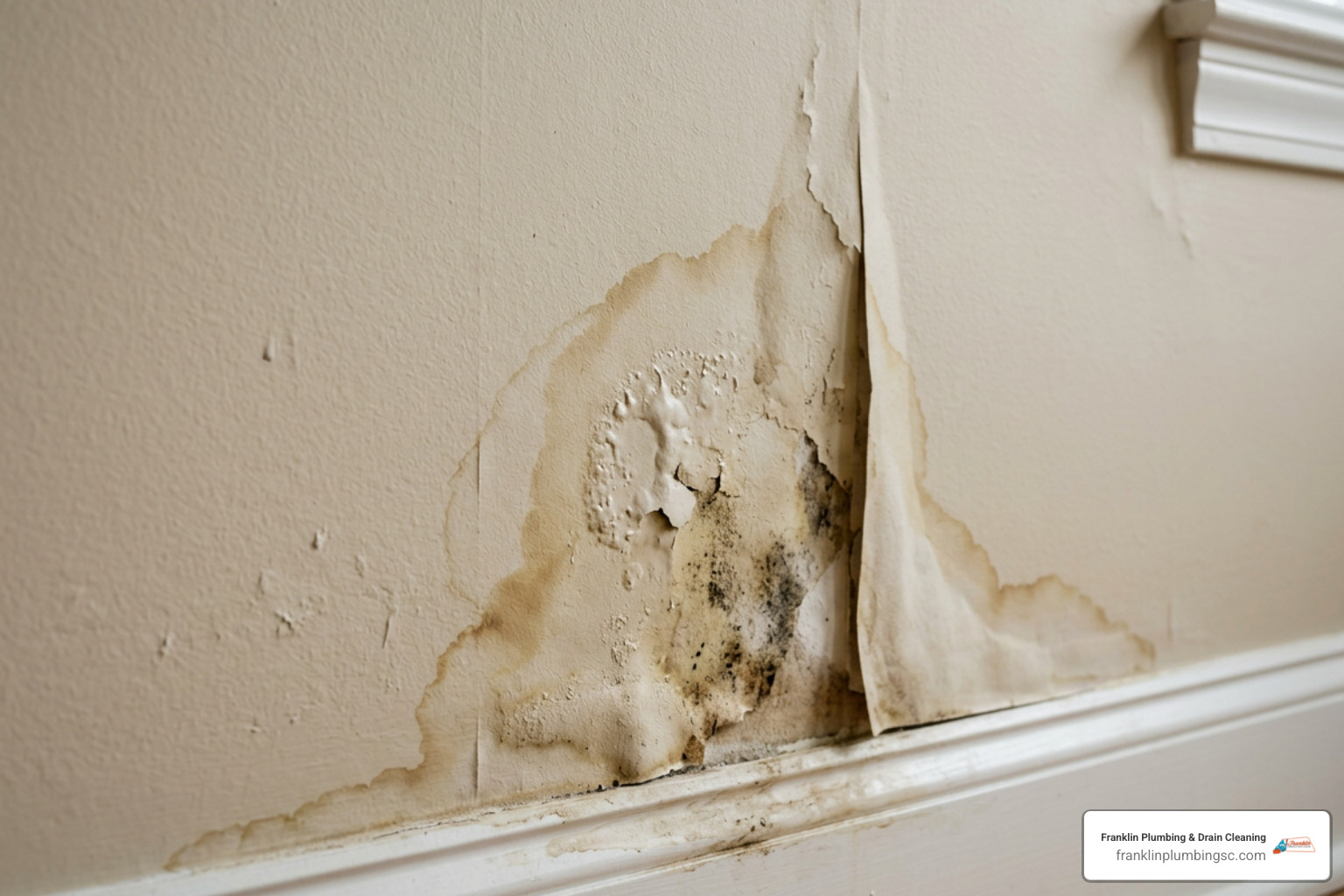
Enclosed spaces like under-sink cabinets, basements, crawlspaces, and laundry rooms frequently trap moisture, creating lingering mold growth, mildew patches, and stale, musty odors. You may also hear the sound of running, dripping, or rushing water coming from walls or subfloors when every faucet, hose bibb, and appliance is fully turned off. Recognizing these signs of a hidden water leak is essential for acting before extensive damage occurs.
Identifying Hidden Slab and Sewer Pipe Leaks
Slab leaks present a significant hazard for properties constructed on poured concrete slab foundations or post-tension concrete structures. Pressurized hot and cold water lines made of copper or synthetic PEX materials are often buried directly beneath or within structural concrete. Over time, friction against rough concrete aggregates, soil movement, or chemical reactions between soil minerals and copper lines create microscopic pinholes. Because these pipes sit below living areas, water accumulates unseen under carpet, tile, or hardwood flooring.
Key indicators of a slab leak include:
- Unexplained warm patches on carpeted or tiled floors, signaling a hot water line breach.
- Cracks forming along interior tile grout lines, baseboards, or exterior foundation footings.
- Soft, buckled, or warped flooring materials caused by rising moisture vapor.
- Saturated mud or standing water accumulating along the outer edge of the foundation slab during dry weather.
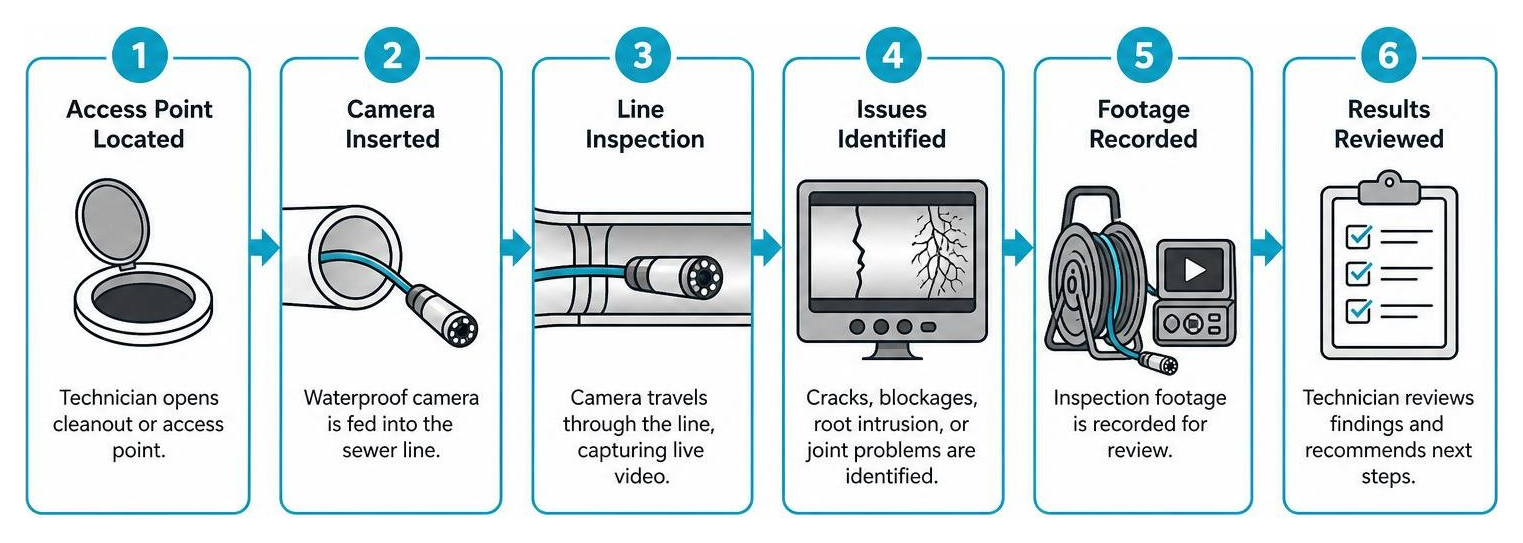
Underground waste piping requires equal diagnostic focus. Video pipe camera technology allows specialists to inspect sewer lines and main drains without invasive digging. High-definition camera heads traverse drain systems to reveal root intrusion, joint misalignments, bellies, and cracked cast iron or PVC drain pipes.
Soil dynamics across the Midlands contribute heavily to pipe degradation. Expansive clay soils shift significantly between wet rainy periods and hot, dry summers, placing lateral mechanical stress on buried fresh water supply lines and drain systems. Chemical reactions between aggressive soil components and softer metals can also cause accelerated corrosion over time. Distinguishing between high-pressure fresh water line breaches and gravity-fed waste line leaks requires static isolation testing and precise flow monitoring procedures.
Recognizing Outdoor and Gas Line Plumbing Issues
Outdoor plumbing failures can compromise landscaping, destabilize hardscapes, and waste enormous amounts of water. Buried irrigation lines, zone control valves, main water service entry lines, and outdoor spigots can leak deep beneath the lawn surface. Over time, subterranean water tracking washes away supporting soil layers, leading to dangerous sinkholes, soil erosion, and muddy lawn conditions.
Watch for these outdoor warning signs:
- Spongy, overly saturated patches of turf during hot, rain-free periods.
- Standing water accumulating near sidewalks, driveways, or exterior foundation walls.
- Bands of unnaturally dark green, rapid-growing lawn grass directly above buried line paths.
- Muddy water bubbling up through patio pavers, driveway asphalt, or retainage walls.
Before starting deep line probes or exploratory soil excavation, specialists perform utility locating to map buried electrical lines, gas mains, and fiber optic conduits. Safety remains paramount when dealing with utility systems, especially fuel gas lines.
Natural gas and propane line breaches pose severe environmental and structural risks. Gas leaks are detected by distinct whistling or hissing sounds near gas meters or underground fuel lines, sulfur or rotten egg odors added to fuel gas, or localized dead, yellowed patches of vegetation directly above buried gas pipes.
For subterranean water lines and gas pipes where standard acoustics fall short, technicians inject non-toxic tracer gas mixtures into isolated line segments. The lighter-than-air tracer gas escapes through tiny fissures and travels upward through soil or concrete, where surface detectors pinpoint the precise source.
Essential Non-Invasive Technologies Used in Leak Diagnostics
Modern non-destructive leak detection technology replaces guesswork with scientific precision. In years past, finding a hidden leak meant breaking open drywall cavities, jackhammering slab foundations, or digging large trenches across lawns. Modern non-invasive diagnostic tools eliminate unnecessary property destruction, saving owners thousands of dollars in restoration costs.
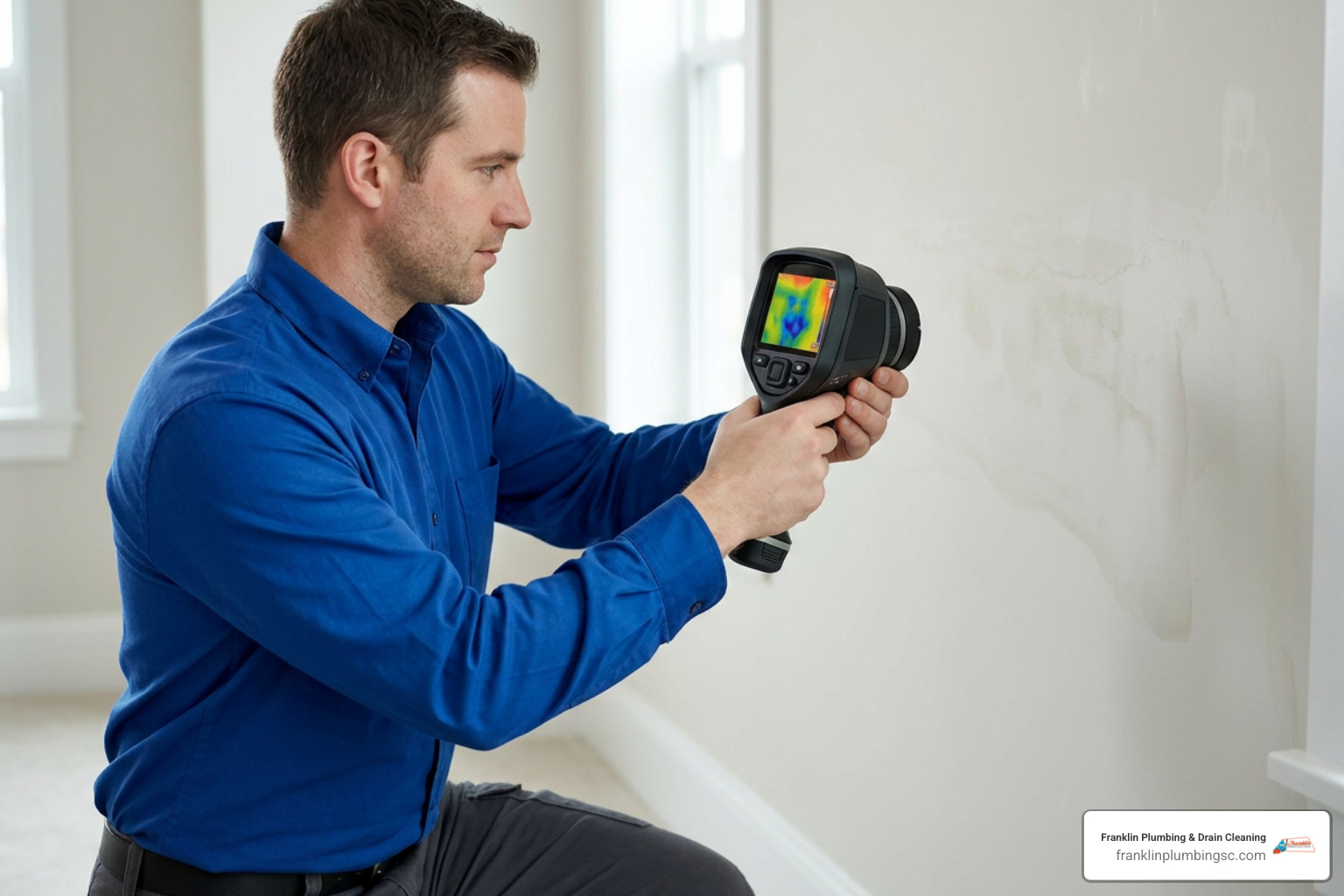
By combining specialized acoustic surface listening equipment, thermal imaging devices, digital pressure gauges, and video line cameras, technicians providing leak detection and plumbing services locate concealed pipe defects down to exact coordinates.
The primary non-invasive diagnostic equipment includes:
- High-Sensitivity Acoustic Sensors: Ground microphones and listening disks that amplify microscopic sound vibrations generated by pressurized water escaping pipe walls.
- Infrared Thermal Cameras: Optical devices that visualize micro-temperature variations across wall surfaces, ceilings, and subfloors to highlight moisture routes.
- Hydrostatic Pressure Gauges: Calibrated measuring devices used to isolate plumbing zones and test whether specific pipe loops maintain static pressure.
- High-Definition Sewer Cameras: Waterproof visual probe lines equipped with self-leveling cameras and internal radio transmitters for underground waste line inspection.
Acoustic Sensors and Thermal Imaging Tools
Acoustic detection rests on sound frequency analysis. Water forced through a tiny pipe fissure under continuous street pressure produces distinct high-frequency vibrations. Specialized ground microphones and acoustic sensors, calibrated to filter out environmental hums, allow technicians to hear these subtle micro-hissing sounds through thick concrete slabs, ceramic tile, soil layers, and hardwood subflooring without breaking surface finishes.
Digital sound processors strip out traffic noise, home HVAC equipment hums, and domestic appliance sounds, isolating the exact sound frequency of escaping water. This acoustic precision allows technicians to pinpoint leaks under heavy concrete or behind decorative tile.
Infrared thermal imaging provides visual confirmation of moisture accumulation. As water escapes concealed piping, it alters the thermal signature of surrounding drywall, plaster, insulation, and floor substrate. Hot water line breaches show as elevated red and yellow thermal plumes on camera screens, while cold supply leaks produce distinct blue and purple moisture trails. Combining acoustic location with thermal imaging ensures complete diagnostic certainty before executing repairs.
Pressure Testing and Video Sewer Line Cameras
Pressure evaluation serves as a foundation for non-invasive testing. During static pressure testing, technicians isolate specific hot, cold, or irrigation plumbing branches using closed shut-off valves and connect calibrated digital pressure gauges. If gauge pressure drops over a controlled holding period, a breach is confirmed within that isolated section.
Hydrostatic testing is used for unpressurized drain, waste, and vent systems. By temporarily sealing drain line cleanouts and filling piping runs with water, technicians measure head pressure stability to verify waste line integrity.
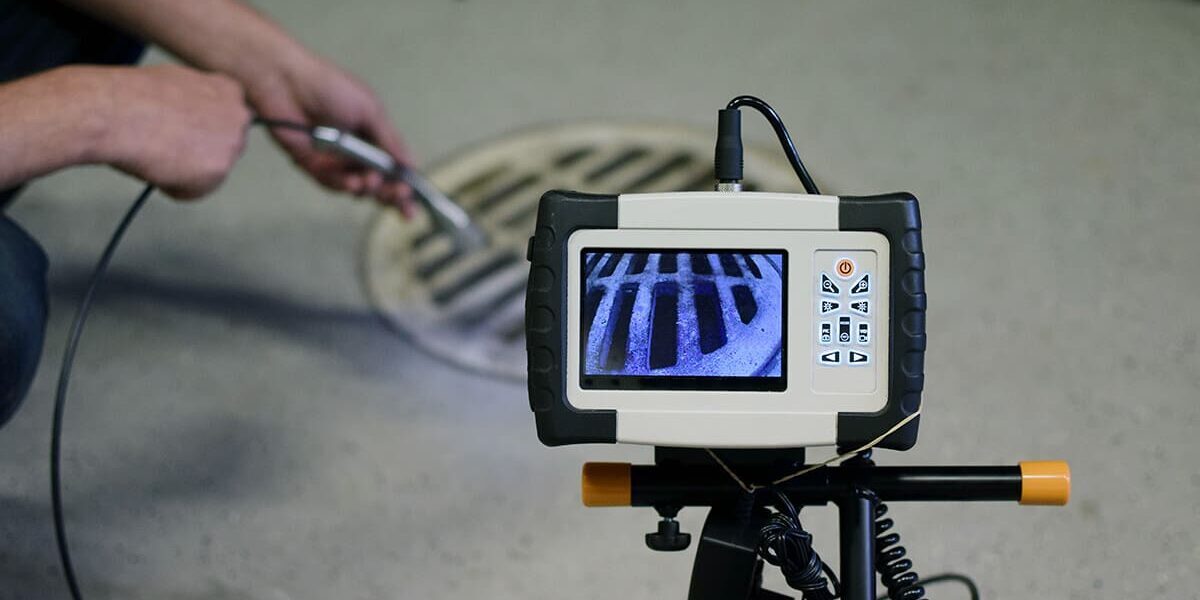
When waste line breaches or bellies are detected, technicians deploy high-resolution video sewer cameras down cleanouts. These flexible push-rod camera systems feature self-leveling heads and high-intensity lighting to navigate main lines, documenting root blockages, cracked pipe walls, offset joints, and interior buildup.
Built-in electromagnetic sondes transmit wireless signals through dirt and concrete, allowing technicians to use surface receivers to map the exact depth and physical spot of the pipe defect above ground.
Key Checklist Criteria for an Accurate Leak Detection Service
Selecting a qualified diagnostic provider requires evaluating technical capabilities, credentials, and transparent practices. Pinpoint diagnostic accuracy requires combining specialized equipment with extensive field experience across diverse plumbing configurations.
| Diagnostic Method | Property Impact | Pinpoint Precision | Primary Application |
|---|---|---|---|
| Non-Invasive Electronic Detection | Zero surface damage | Within inches of source | Concealed slab, wall, and utility leaks |
| Exploratory Mechanical Excavation | Significant drywall or concrete destruction | Broad general region | Outdated emergency searching |
| Hydrostatic Pressure Isolation | Zero surface damage | Specific plumbing zone | Verification of system integrity |
| Sewer Camera & Sonde Location | Zero lawn or floor damage | Exact depth and location | Main drain lines and waste lines |
Property owners should verify full licensing, general liability insurance, and worker compensation coverage before work begins. Working with fully insured specialists guarantees financial protection and total safety throughout testing and subsequent repairs.
Contractors must also maintain diagnostic transparency. Reliable providers explain their testing methodology, present physical evidence, and offer comprehensive written findings before recommending repairs. A complete guide to leak detection in Columbia, SC can help homeowners understand the inspection process and make informed decisions before repairs are recommended.
What to Expect from an Accurate Leak Detection Service
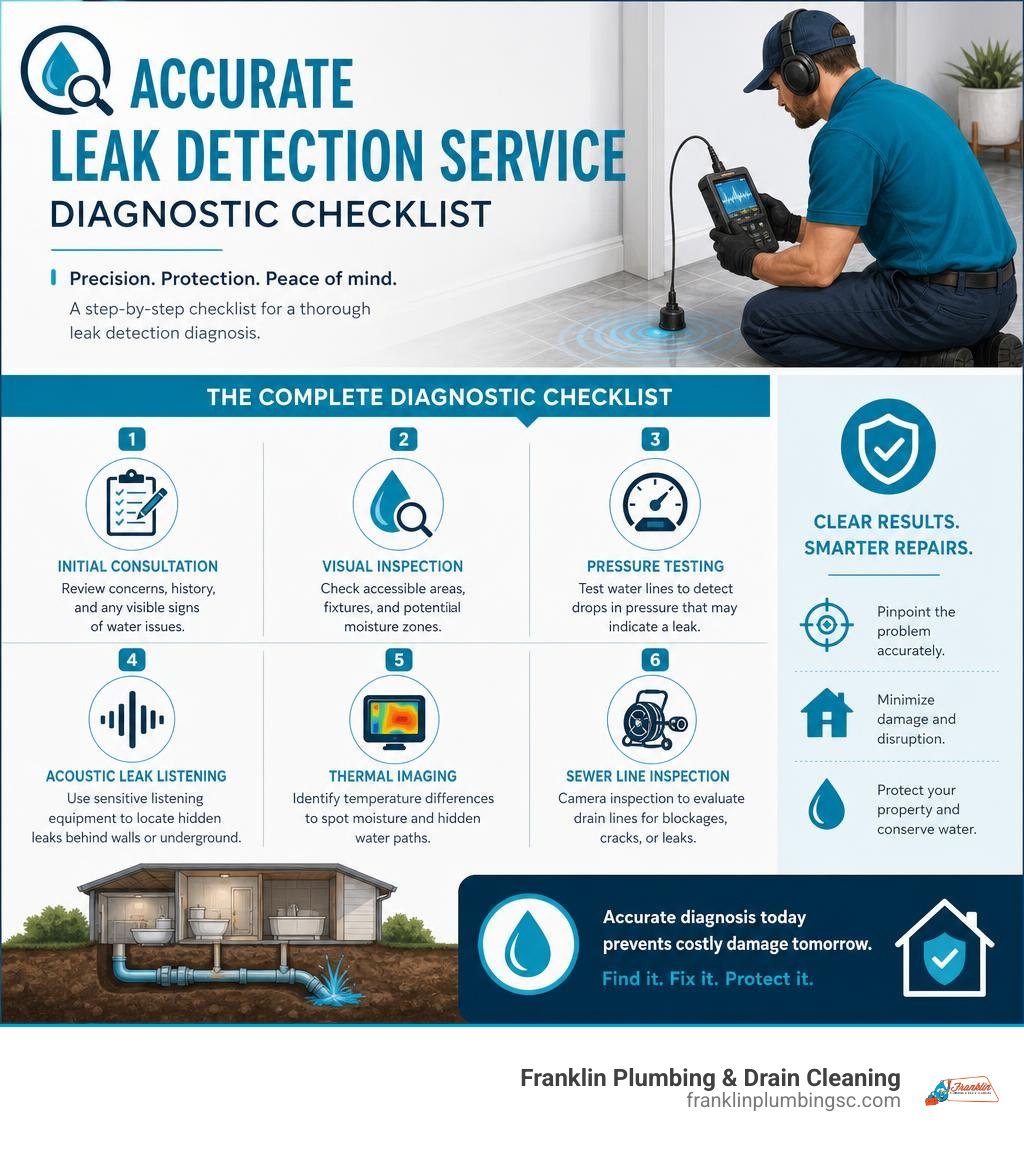
A professional leak detection service call follows a structured, efficient workflow designed to identify plumbing issues without wasted time or unnecessary property disruption.
Most standard diagnostic visits take between 1 to 3 hours, depending on property size, system complexity, and accessibility.
- Initial Property Evaluation: The technician reviews water meter flow indicators, inspects visible fixtures, evaluates main shut-off valves, and checks backflow preventers to establish baseline pressure dynamics.
- Pressure Testing and Zone Isolation: Calibrated digital gauges test system pressure stability while shut-off valves isolate individual supply branches, irrigation feeds, or exterior lines.
- Electronic Acoustic and Thermal Mapping: Technicians use ground microphones, sound frequency analyzers, and infrared cameras along line paths to locate exact leak sounds and thermal signatures.
- Sub-Surface Location Marking: Using electromagnetic depth sondes, technicians place non-permanent marks on floor tile, concrete, or turf showing the precise spot and depth of the leak.
- Findings and Consultation: The specialist presents physical evidence, camera footage, acoustic readings, and a clear diagnostic report outlining recommended repair options.
The team’s plumbing and diagnostic services can help property owners address a confirmed leak with the right next steps after non-invasive testing.
How an Accurate Leak Detection Service Handles Repairs and Estimates
After locating a hidden leak, the next step is establishing a clear repair plan. Reliable plumbing service providers provide flat-rate, transparent estimates before initiating physical repair work, line trenching, or targeted concrete access cuts.
Technicians evaluate whether a micro-targeted spot repair, an overhead line reroute, or a complete pipe replacement is most cost-effective. For localized pinhole breaches in newer piping, opening a small, precise access hole directly over the marked leak coordinates allows for a clean spot repair.
However, if an aging copper supply line shows widespread pitting corrosion or thin pipe walls beneath a slab, repairing a single spot may lead to recurring leaks nearby. In those situations, technicians may recommend an overhead PEX reroute, bypassing the subterranean line entirely without breaking concrete floors.
Full-service plumbing contractors manage the entire process smoothly, transitioning from diagnostic pinpointing to mechanical repair execution. Experienced, licensed technicians handle everything from drain cleaning and sewer line rehabilitation to main water service lines, gas pipe work, and water heater servicing without needing third-party handoffs. The comparison of DIY leak checks versus professional testing explains when specialized diagnostics and professional repair support are the safer choice.
How to Choose a Reliable Leak Detection Partner
Selecting the right leak detection partner requires evaluating technical diagnostic experience across both residential and commercial structures. Plumbing layouts vary significantly between single-family homes and large commercial facilities.
A trustworthy contractor maintains state plumbing licenses, ongoing factory training, full insurance compliance, and positive local reviews across Columbia, SC, West Columbia, SC, Cayce, SC, and Chapin, SC. Choose a provider that explains its diagnostic process, documents findings, and recommends repairs based on evidence rather than guesswork.
Locally owned contractors dedicated to building long-term community trust provide clear guarantees on diagnostic accuracy and repair workmanship, ensuring complete peace of mind for property owners.
Residential vs Commercial Plumbing Leak Detection
While residential leak detection focuses on single-family homes, townhouses, and multi-family living spaces, commercial leak detection involves larger infrastructure, higher operating pressures, and complex piping arrangements.
Commercial environments present unique technical demands, including:
- Heavy asphalt parking lot water main locating using high-powered acoustic ground sensors.
- Multi-story distribution stacks, commercial booster pump systems, and multi-family manifold assemblies.
- Commercial fire suppression lines, high-volume main lines, and public backflow assemblies.
- Extended landscape irrigation grids serving office parks and retail centers.
Commercial diagnostic procedures must be swift, non-invasive, and executed with minimal disruption to business operations, tenant routines, or customer access.
Evaluating Experience, Guarantees, and Written Reports
Before hiring a plumbing contractor for specialized diagnostics, review their reporting standards and service guarantees. A professional provider delivers a comprehensive written inspection report containing:
- Marked sub-surface leak coordinates with exact depth measurements.
- Pipe material identification, line size, and structural condition assessments.
- High-resolution photographic evidence and video camera inspection footage.
- Detailed itemized estimates for recommended repair options.
A robust 100% satisfaction guarantee demonstrates contractor confidence in both diagnostic accuracy and final repair quality. Verifying trade licensing, safety compliance, and background-checked technicians ensures your property receives expert care from certified professionals.
Frequently Asked Questions About Leak Detection
What is accurate leak detection and how does it work?
Accurate leak detection refers to non-invasive diagnostic methodologies that combine acoustic listening sensors, thermal imaging, pressure isolation testing, and video pipe cameras to pinpoint hidden plumbing breaches without exploratory demolition. High-sensitivity acoustic sensors amplify micro-vibrations generated by escaping pressurized water, while thermal imaging highlights moisture patterns behind walls or floors. Combined with pressure testing, technicians isolate the exact leak source down to a specific spot.
What are the main signs of a hidden plumbing leak?
The primary warning signs include unexplained spikes in monthly utility water bills, localized drops in water fixture pressure, persistent running water sounds when all valves are closed, and warm spots on tiled or carpeted concrete slab floors. Visible indicators include ceiling sheetrock discoloration, blistered paint, buckled flooring, mold growth in cabinets, and soggy lawn patches during dry weather.
How long does a leak detection service take?
A standard non-invasive leak detection call for a single-family home or light commercial unit typically takes between 1 to 3 hours. Total duration depends on overall property square footage, pipe accessibility, line layout complexity, and the number of plumbing branches requiring static pressure testing.
What non-invasive technology is used to find leaks?
Technicians deploy ground microphones and acoustic sensors to capture sub-surface sound vibrations, infrared thermal imaging cameras to track concealed moisture, digital pressure gauges for line isolation, non-toxic tracer gas mixtures for micro-leaks under soil or paving, and self-leveling video cameras to inspect waste line interiors.
Can leak detection tools pinpoint slab leaks without breaking concrete?
Yes, advanced digital acoustic ground microphones and sound frequency sensors detect water escaping pressurized copper or PEX lines beneath concrete foundation slabs without initial drilling or jackhammering. Pinpointing the exact sub-surface leak location allows technicians to execute small, precise access cuts or plan clean overhead pipe reroutes.
Do leak detection specialists handle both residential and commercial properties?
Yes, fully equipped diagnostic technicians service single-family residences, townhomes, apartment complexes, commercial retail units, office parks, and industrial buildings. Commercial capabilities include locating leaks beneath asphalt parking lots, mapping high-volume water mains, and inspecting multi-story waste stacks.
Do leak detection companies repair leaks or only locate them?
Franklin Plumbing & Drain Cleaning provides complete end-to-end service, seamlessly transitioning from non-invasive leak detection to targeted pipe repair, line replacement, or complete repiping. Every job includes visual documentation, transparent estimates, and professional repairs executed by licensed technicians.
How much does professional leak detection cost?
Professional diagnostic pricing depends on the overall scope of testing, property size, line accessibility, and whether testing involves supply lines, slab foundations, sewer lines, or outdoor gas piping. Investing in timely professional diagnostics prevents severe structural damage, foundation shifting, mold contamination, and ongoing water waste.
Can I get an upfront cost estimate before work begins?
Yes, reputable service contractors provide clear phone reviews and detailed, upfront pricing evaluations on-site before initiating active testing or repairs. Clear pricing ensures property owners fully understand the diagnostic process and flat-rate service fees without worrying about surprise add-ons.
What types of leaks can be detected on my property?
Diagnostic testing locates breaches across interior potable supply lines, fixture connections, under-sink drains, shower pan connections, water heaters, subterranean main water supply lines, slab foundation lines, sewer mains, irrigation networks, and outdoor fuel gas or propane piping.
Conclusion
Ignoring hidden water leaks can quickly turn a minor plumbing issue into severe structural damage, foundation settlement, and toxic mold growth. Utilizing non-invasive diagnostic tools, including acoustic surface sensors, infrared thermal cameras, hydrostatic pressure testing, and video sewer cameras, enables pinpointing hidden leaks without destructive exploratory digging. Investing in timely diagnostic services preserves property value, protects building finishes, and keeps repair costs focused strictly on the area needing attention.
If you observe sudden utility bill spikes, damp flooring, low water pressure, or strange water sounds, rely on a licensed plumbing specialist. For complex plumbing networks, slab foundation lines, or safety-critical fuel gas pipes, contact Franklin Plumbing & Drain Cleaning to contact our professional leak detection technicians for help from a licensed, experienced team.

professional
drain cleaning

highly
recommended

through
repairs

quality
work