
How to Find Emergency Leak Fix Quickly in Dallas, TX
Home »
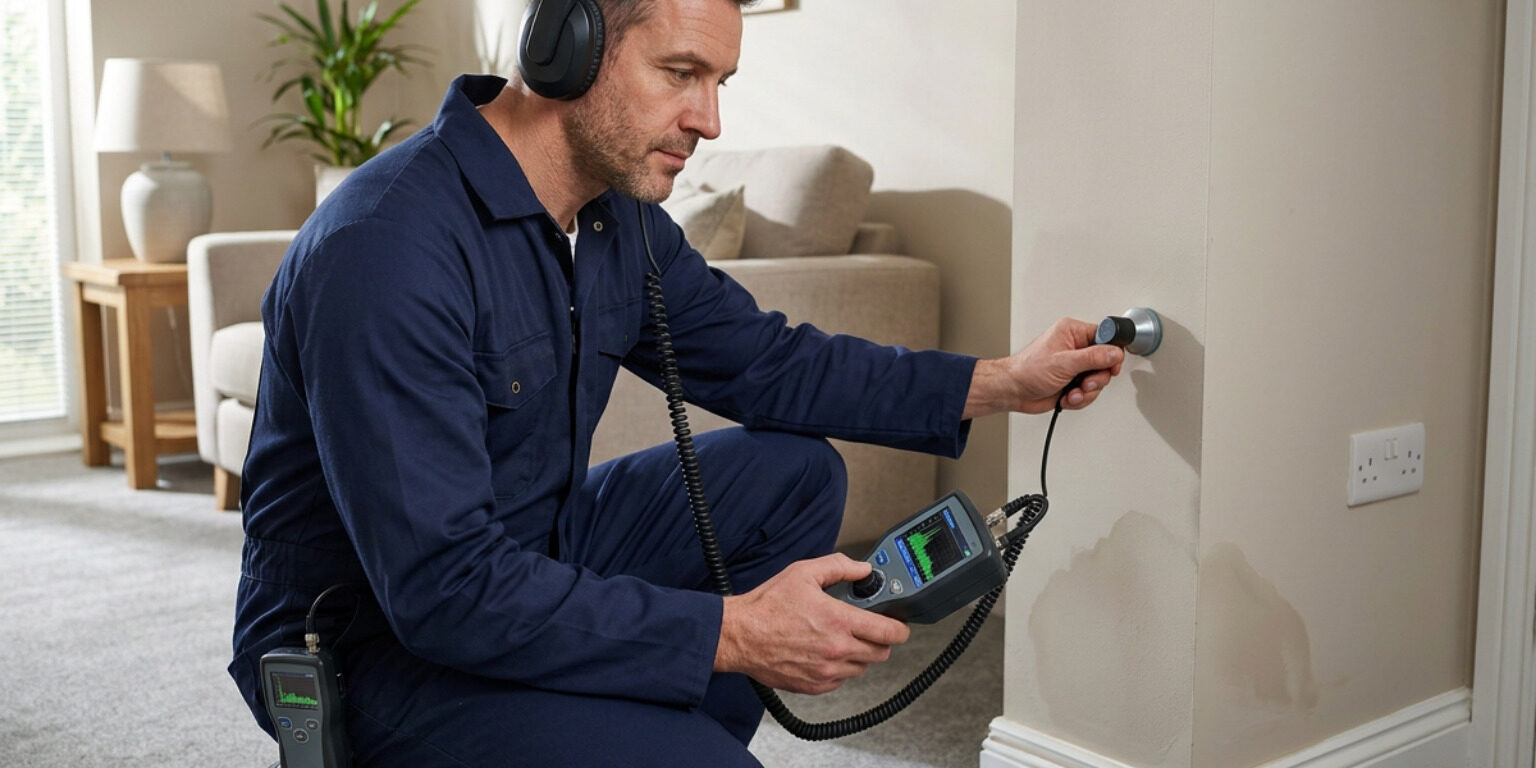
Emergency Leak Detection Service for Fast Columbia, SC Help
An emergency leak detection service is the right call when water is actively spreading, a ceiling is sagging or wet, you hear water running with every fixture off, or a hidden leak is driving up your bill. In Columbia, SC, fast action can limit damage to floors, drywall, electrical systems, and the home’s structure.
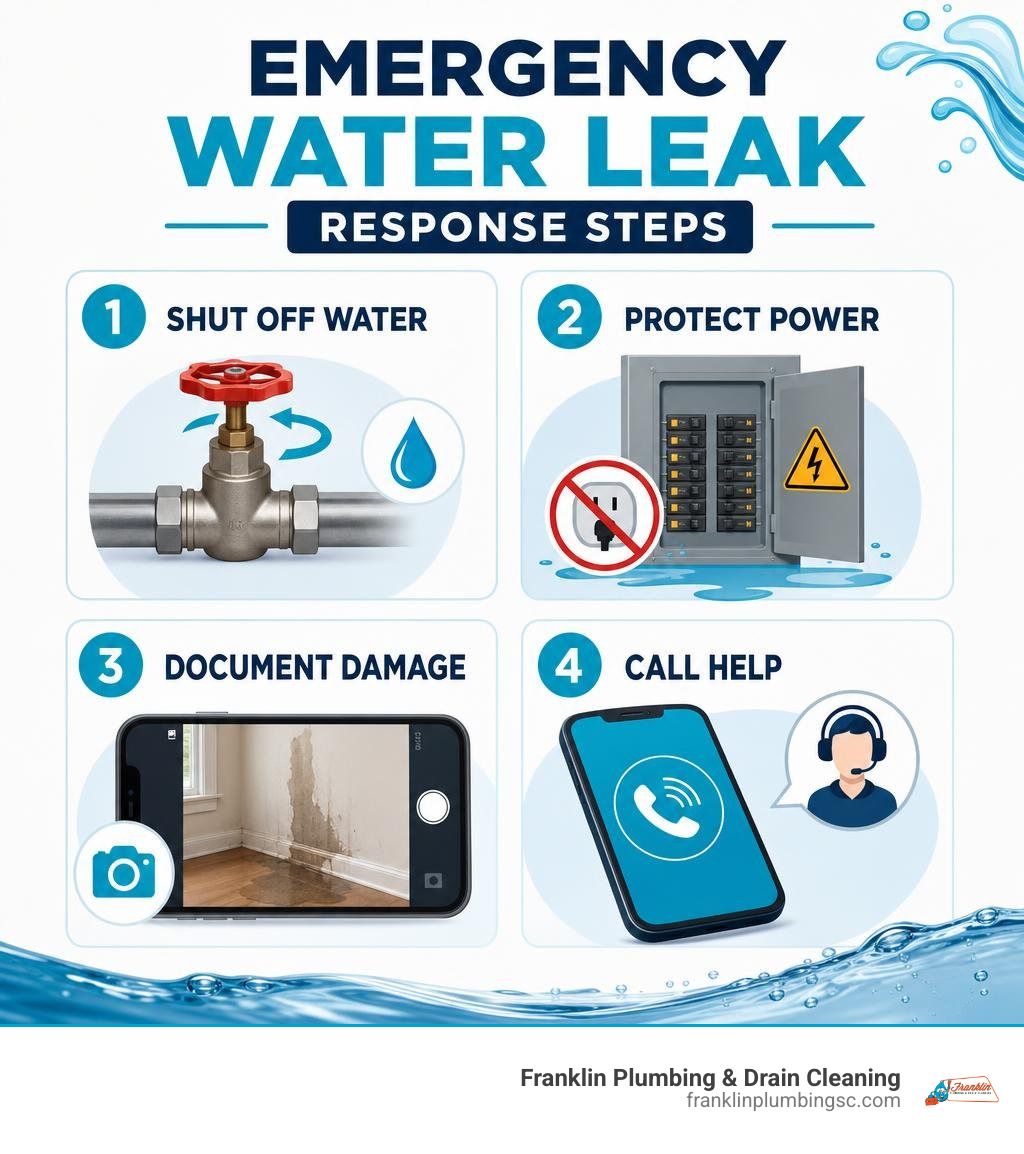
Quick answer: What to do now
- Shut off your home’s main water valve if water is flowing or spreading.
- Turn off power at the breaker only if water is near outlets, appliances, or electrical panels. Do not stand in water to do this.
- Move rugs, furniture, electronics, and valuables away from the wet area.
- Take photos and video of the leak and visible damage for your insurance records.
- Call Franklin Plumbing & Drain Cleaning for urgent professional leak detection and repair guidance.
Water stains can appear within hours, and ongoing moisture can create mold and mildew risks within days. Even a small hidden leak may waste enough water to add thousands of dollars to utility costs over time. The goal is simple: stop the flow, protect people and property, then locate the exact source without unnecessary damage.
The Franklin Plumbing & Drain Cleaning team helps Columbia, SC property owners recognize urgent leak warning signs and take practical steps before a manageable problem becomes a major restoration project.
What Qualifies as a Water Emergency in Columbia, SC?
Not every plumbing issue requires an immediate middle-of-the-night dispatch, but knowing when you are facing a true crisis is essential. A plumbing crisis exists whenever uncontained water threatens structural integrity, safety, or basic home livability. Active indoor flooding from a burst water line, sewer back-ups entering living quarters, natural gas line disruptions, and structural water intrusion are non-negotiable emergencies.
When pressurized water escapes into wall cavities or subflooring, structural elements absorb moisture rapidly. Wood framing expands, drywall weakens, and subflooring degrades. Water contacting live electrical outlets or breaker panels presents immediate shock and fire hazards. Understanding knowing when a water leak becomes an emergency helps property owners take decisive, damage-limiting steps right away.
Sudden Water Spikes and Unexplained High Bills
A sudden jump in your monthly municipal water statement often points directly to an active, hidden pipe breach. Microscopic cracks or pinhole leaks in supply lines can quietly discharge hundreds of gallons of water each day without immediate surface flooding.
When water lines beneath grass, driveways, or concrete foundations break, water follows the path of least resistance into deep soil layers. Homeowners usually notice these hidden losses only after opening a shocking water bill. Evaluating unexpected billing spikes allows you to isolate whether the issue stems from interior plumbing or underground supply piping.
Hidden Signs of Active Wall and Slab Leaks
Concealed leaks behind drywall or beneath foundation slabs produce subtle early physical warnings before catastrophic failure occurs. Soil shifts, changing moisture levels, and pipe age cause localized stress on plumbing lines, leading to pinholes or joint separations beneath concrete foundations.
Key indicators of active wall and slab leaks include:
- Unexplained warm spots felt through hardwood, tile, or carpeted flooring.
- Persistent sounds of running water when every faucet and appliance is off.
- Musty odors along baseboards combined with warped trim or bubbling drywall paint.
- Hairline cracks spreading across concrete slabs, foundation perimeters, or interior drywall.
Recognizing these warnings early protects your property from severe foundation settlement and wall collapse.
When to Call an Emergency Leak Detection Service
An emergency leak detection service becomes vital the moment visible signs of uncontrolled water appear. Water traveling behind building materials causes progressive secondary damage every hour it remains unaddressed. Within 24 to 48 hours of continuous moisture contact, toxic mold spores germinate and flourish inside dark wall cavities and beneath floor coverings.
Sagging ceiling plaster, peeling paint layers, and spongy subfloors require immediate attention. Contacting an emergency plumber in Columbia, SC as soon as moisture appears helps keep minor pipe failures from escalating into structural restoration projects.
Why You Need an Emergency Leak Detection Service Immediately
Delaying professional intervention during an active leak significantly increases home restoration expenses. Water migrating through wall cavities creates dangerous electrical hazards when it meets live electrical wiring, junction boxes, or wall sockets. Uncontrolled pooling on upper floors adds tremendous weight to ceiling drywall, often resulting in sudden ceiling collapses into living spaces.
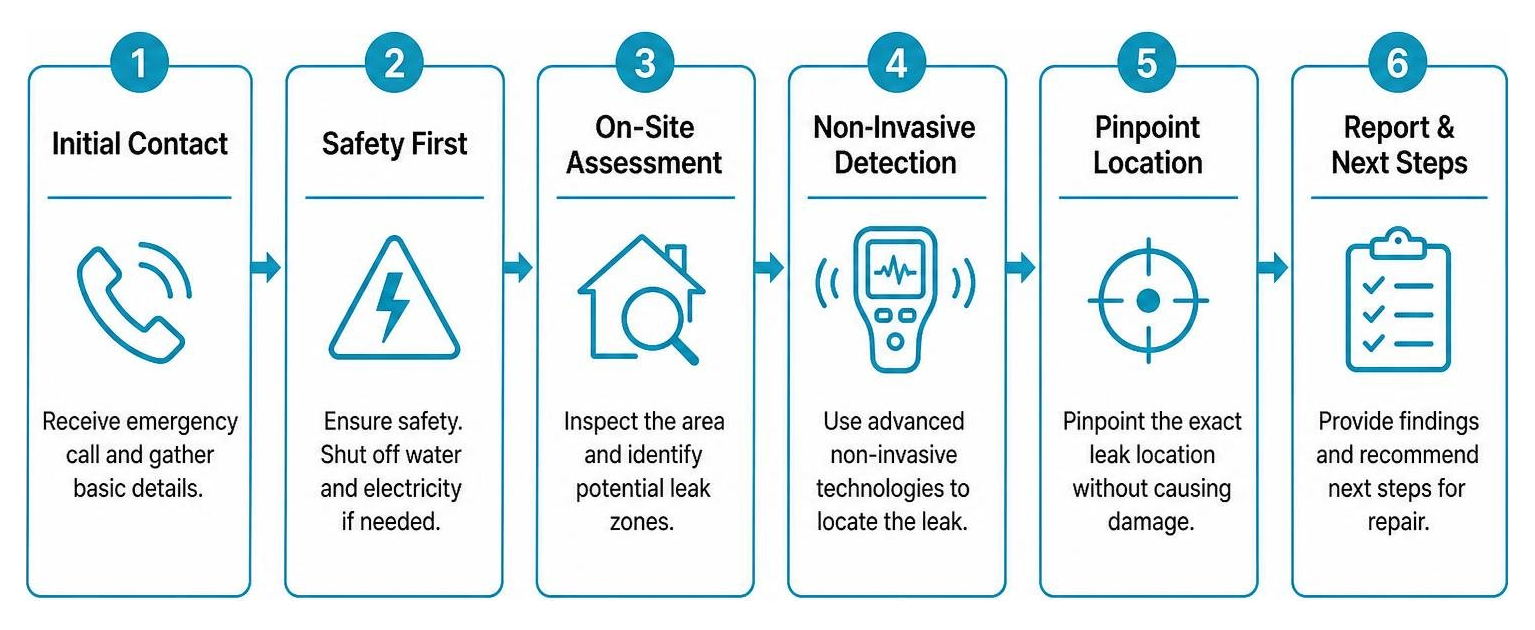
Prompt professional diagnostics protect your investment. By pinpointing exact leak coordinates non-invasively, experts prevent unnecessary demolition of intact structures, saving thousands of dollars in drywall, flooring, and masonry reconstruction.
Different Leak Types Requiring Rapid Response
Plumbing systems feature diverse pipe networks, each requiring specialized diagnostic approaches during a crisis:
- Slab Leaks: Breaches beneath concrete foundations where identifying major slab leak warning signs early helps prevent serious foundation destabilization.
- Wall Cavity Leaks: Concealed copper, galvanized, or PEX pipe breaks that ruin drywall, insulation, and electrical circuits.
- Underground Main Supply Line Bursts: Fractures along the main line connecting the curb meter to the building structure, risking yard erosion and sinkholes.
- Natural Gas Line Leaks: High-hazard fuel line leaks requiring immediate evacuation, utility isolation, and precision pressure testing.
Immediate Steps to Take When You Suspect a Hidden Leak

When you suspect an active pipe break, taking swift control measures limits the extent of water intrusion before expert help arrives.
- Locate and shut off the main water isolation valve to halt incoming flow.
- If standing water approaches wall sockets, appliances, or breaker boxes, shut off electrical main power immediately from a dry location.
- Move furniture, area rugs, soft textiles, and electronics out of damp zones to reduce property loss.
- Take detailed photos and high-resolution videos of all wet areas, affected fixtures, and damaged belongings for insurance documentation.
- Reviewing advice on uncovering hidden water leak clues helps narrow down where water might be hiding while emergency responders are en route.
Shutting Off Main Valve and Draining Fixtures
Every property owner should know the location of their primary shutoff valve. This valve is typically situated in an outdoor meter box near the street, inside a basement or crawlspace, or along the home’s exterior front wall. Turn handwheels clockwise or pull lever handles perpendicular to the pipe to stop water flow.
Once the valve is closed, open the lowest outdoor hose bibbs and indoor basement or ground-floor sink faucets. Draining residual water from system lines relieves internal system pressure and halts active dripping into wall framing and ceiling cavities.
How to Perform a DIY Water Meter Leak Test
If you suspect a hidden leak but see no surface water, a simple water meter test provides clear verification. Learning where to look when your water bill spikes without a visible leak helps confirm line issues before emergency plumbing support arrives.
- Ensure every indoor faucet, outdoor spigot, ice maker, and irrigation line is turned off.
- Locate your municipal water meter casing at the property line and open the lid.
- Observe the meter dial face. Most modern meters feature a small triangular or star-shaped leak indicator dial, while digital meters show continuous flow rates.
- Note the exact numeric reading on the main register.
- Wait 15 to 30 minutes without running any water across the property.
- Re-check the meter. If the leak indicator dial turned or the digital flow register advanced, water is actively escaping somewhere in your plumbing network.
According to the Environmental Protection Agency, household leaks can waste thousands of gallons annually, making early verification critical for water conservation and expense control.
Advanced Non-Invasive Technologies Used by Professionals
Locating hidden pipe breaks previously required destructive guesswork, including cutting open drywall panels or hammering through foundation concrete. For hidden pipe problems that need professional attention, Franklin Plumbing & Drain Cleaning offers plumbing services in Columbia, SC that help identify the right next step. Modern professional leak technicians use advanced non-invasive diagnostic tools that map exact leak locations through solid building materials without causing unnecessary damage.
Thermal Imaging and Electro-Acoustic Pinpointing
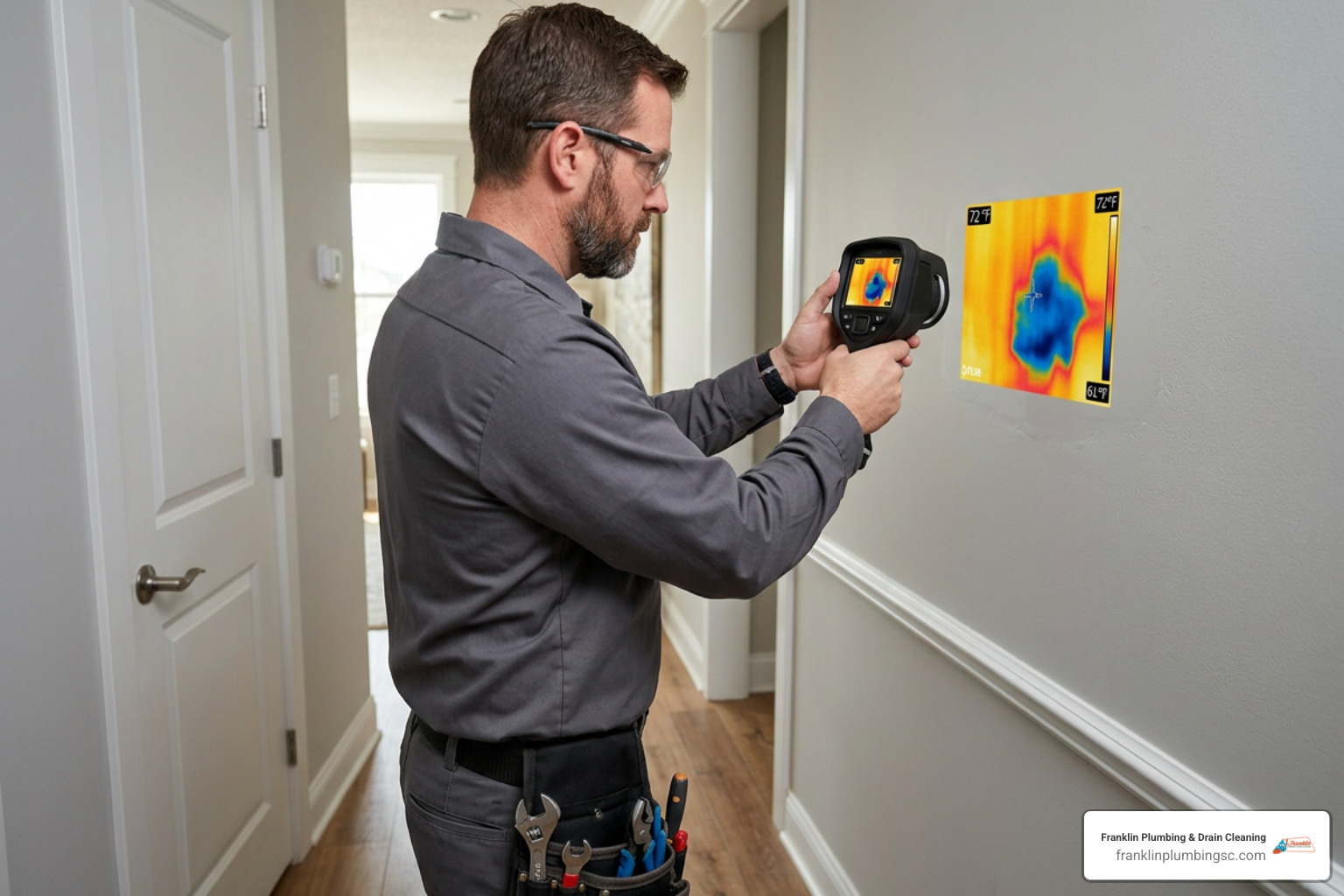
Infrared thermal imaging cameras detect surface temperature variances caused by hidden water accumulation. Hot water supply leaks show up as bright, warm thermal plumes beneath tile or carpet, while cold water breaks display distinct cool zones behind drywall.
Electro-acoustic listening devices amplify the subtle acoustic sound frequencies produced by pressurized water escaping pipe fractures. Technicians use ground microphones and sound sensors along concrete slabs and walls to pinpoint the exact origin of leak noise down to the inch.
Tracer Gas and Video Pipe Inspection
For exceptionally microscopic leaks or deep underground supply lines, technicians use tracer gas testing. A non-toxic, safe hydrogen-nitrogen gas mixture is introduced into isolated plumbing lines. Because tracer gas molecules are small, they escape through micro-fissures and travel upward through soil and concrete, where sensitive electronic gas sniffers detect them at ground level.
High-definition video pipe inspection cameras are inserted directly into drain, sewer, and supply channels. The flexible fiber-optic camera feeds real-time visual diagnostics to a monitor, allowing technicians to inspect internal pipe walls, joint separations, and root intrusions.
Costs, Response Times, and Insurance Coverage
Emergency leak detection pricing varies depending on several factors, including the location of the pipe, accessibility, the depth of underground lines, and whether services are requested during regular hours or as an after-hours emergency dispatch. Most standard inspections cover multi-system pressure testing and non-invasive acoustic or thermal scanning to isolate the issue efficiently.
Understanding generalized pricing expectations and reviewing understanding leak detection pricing factors helps homeowners evaluate written diagnostic quotes before repair work begins.
Selecting the Best Emergency Leak Detection Service in Columbia, SC
When choosing an emergency response team during a plumbing crisis, verify that the contractor possesses proper licensing, comprehensive insurance coverage, and advanced diagnostic equipment.
Look for contractors who provide upfront pricing estimates before launching diagnostic testing. Verify that technicians produce written diagnostic reports complete with thermal scans and acoustic mapping data, as insurance claim adjusters require this documentation to process claims smoothly.
Filing Insurance Claims for Emergency Leak Repairs
Most standard homeowners insurance policies cover sudden and accidental water damage, such as a sudden pipe burst or hot water tank rupture. However, gradual damage resulting from neglected maintenance or unaddressed slow leaks over months is frequently excluded.
To protect your coverage rights:
- Keep detailed photographic records of damaged property and the pinpointed leak source.
- Obtain a full diagnostic report from your licensed plumbing technician detailing the cause of the break.
- Mitigate secondary damage immediately by shutting off the main water valve and calling extraction professionals.
- Provide all diagnostic documents directly to your insurance adjuster to support rapid claim approval.
Frequently Asked Questions About Emergency Leak Detection
How quickly can a leak detection team respond in Columbia, SC?
Emergency plumbing dispatch protocols prioritize active water leaks, offering same-day service with technicians arriving within a short window following your call.
How much does emergency leak detection cost on average?
Standard baseline leak detection ranges from generalized entry-level rates for basic diagnostics up to higher tiers for complex underground or multi-line scans, with after-hours call premiums applying outside regular business hours.
Will my homeowners insurance cover emergency leak detection?
Most homeowner policies cover non-invasive leak location and secondary water damage restoration if the pipe failure was sudden and accidental rather than a gradual maintenance issue.
What are the main signs of a hidden slab leak?
Primary signs include warm patches on floor surfaces, persistent running water sounds with all taps closed, damp baseboards, unexplained water bill spikes, and hairline foundation cracks.
Can leak detection be performed without breaking walls or concrete?
Yes, modern electro-acoustic sensors, thermal imaging cameras, and tracer gas detectors allow technicians to locate line breaches through concrete and drywall without destructive cutting.
How do I know if my leak is an emergency or can wait?
Active flooding, spreading ceiling stains, water near electrical outlets, or sudden high water bill spikes demand immediate emergency intervention, whereas isolated slow fixture drips can be handled during standard business hours.
How long does a standard leak detection service take?
Most non-invasive residential leak detection inspections take between one and two hours to isolate the leak location precisely.
What should I do while waiting for the emergency team to arrive?
Shut off your home’s main water supply valve, turn off electricity to damp rooms, move furniture away from wet carpet or wood, and document damage with photos.
Can a minor water leak turn into a pipe burst?
Yes, continuous system water pressure against a corroded or pinholed pipe wall can expand minor fractures into catastrophic line bursts without warning.
How do professionals find gas leaks safely?
Technicians use specialized combustible gas sniffer probes, pressure decay testing, and utility tracing tools to isolate fuel leaks safely without sparks or open flames.
Conclusion
Plumbing emergencies require immediate action to prevent costly structural damage, subfloor rot, and hazardous mold growth. When water threatens your property, knowing how to shut off your main supply valve and calling a licensed specialist makes all the difference. While simple surface drips may seem manageable, hidden leaks inside walls or under slabs demand specialized equipment and experienced care. Always contact a professional plumber whenever water leaks involve hidden building cavities, electrical safety risks, main supply lines, or complex foundation slabs.
For fast, accurate, and non-invasive detection, turn to the trusted experts at Franklin Plumbing & Drain Cleaning. Our licensed, highly trained team uses advanced acoustic scanning and thermal diagnostics to pinpoint hidden pipe breaks cleanly and quickly. Do not let an unseen leak undermine your home. Contact our professional emergency leak detection technicians to discuss the next step.

professional
drain cleaning

highly
recommended

through
repairs

quality
work