Professional Water Heater Installation: The Safer Choice
Home »
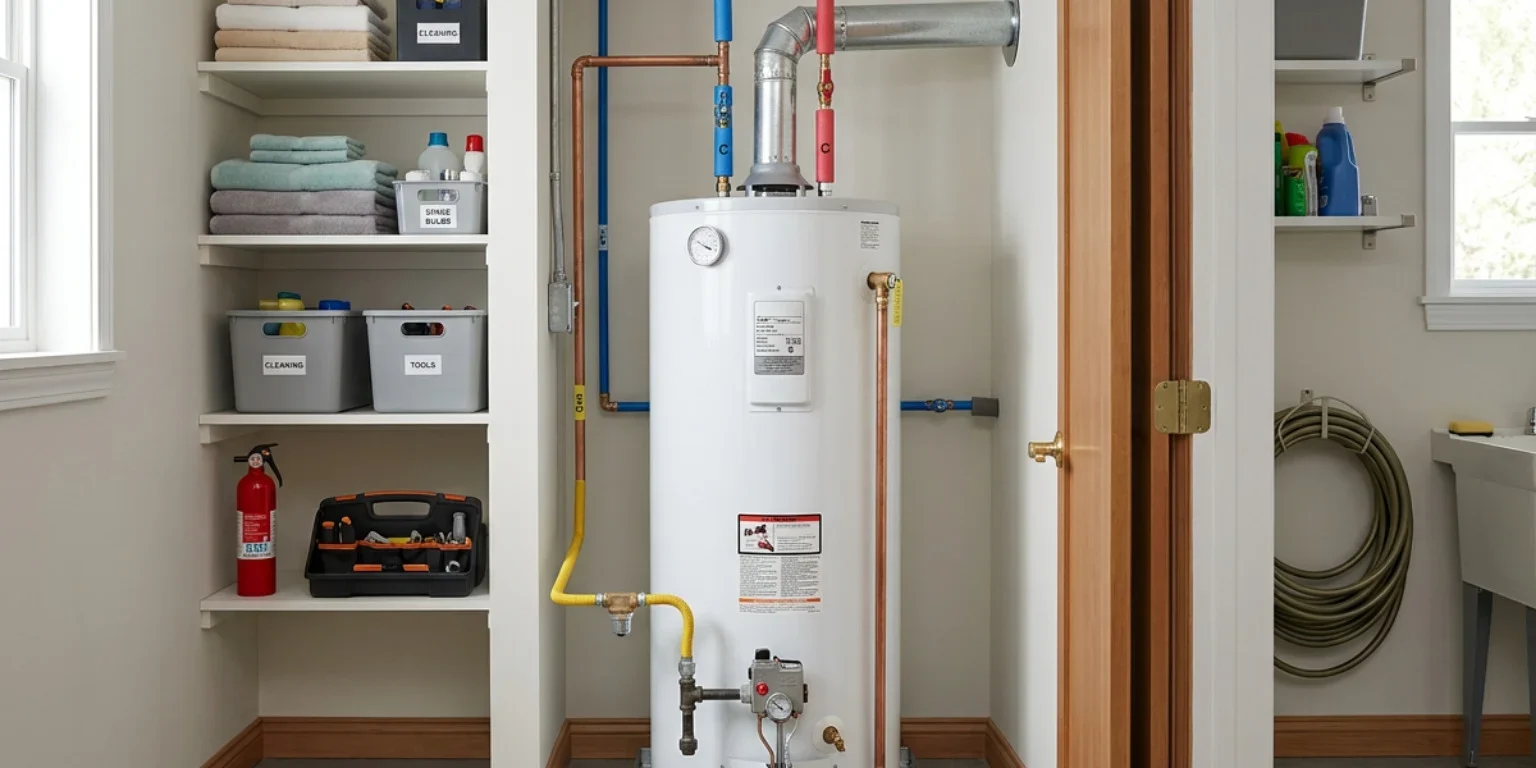
Professional Water Heater Installation: Why Expert Service Is the Safer Recommended Choice
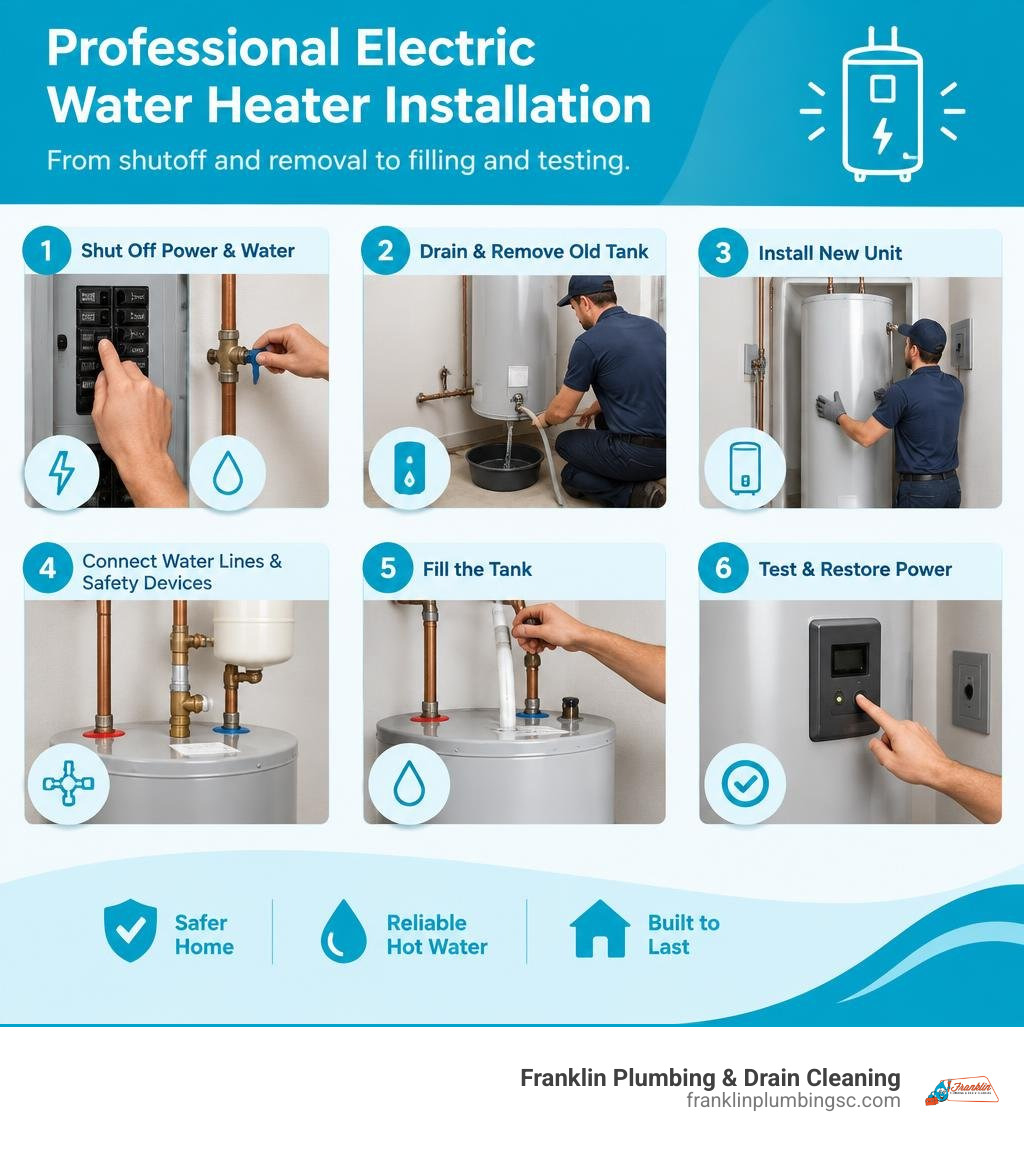
A safe electric water heater installation starts with turning off the power and water. For a safe, code-conscious replacement, the licensed team handling water heater installation in Columbia, SC drains and removes the old tank, sets the new unit in place, connects the water lines and safety devices, and fills the tank before restoring power. The final checks confirm that the connections do not leak and the heater works as intended.
Many tank water heaters last about 10 to 15 years. If yours needs replacing, choose a size based on how much hot water your household uses, not just the size of the old tank. Professional installation also helps protect against electrical hazards, leaks, and missed code requirements.
The Franklin Plumbing & Drain Cleaning team helps homeowners understand what to expect at each stage of a professional installation.
Homeowners choosing a replacement water heater need more than a like-for-like tank swap. A professional can assess fuel availability, household demand, installation space, electrical requirements, and long-term maintenance needs before recommending a system. Homeowners weighing fuel choices can review the differences between a gas and electric water heater to understand how each option may fit the home. Capacity also matters because the right tank size depends on the number of people in the household, peak-use routines, and appliances that use hot water; this overview of choosing the right water heater size explains the key factors. For homeowners considering an on-demand system, comparing a tankless and tank water heater can clarify the differences in installation requirements, hot-water delivery, and available space.
Electric and Tankless Water Heater Installation Considerations
Selecting the proper system involves evaluating energy sources, physical space, household hot water demand, and mechanical room airflow. While traditional electric storage tanks remain a common choice across the Midlands, alternative systems like heat pump (thermodynamic) units and on-demand systems present distinct advantages and specific structural requirements.
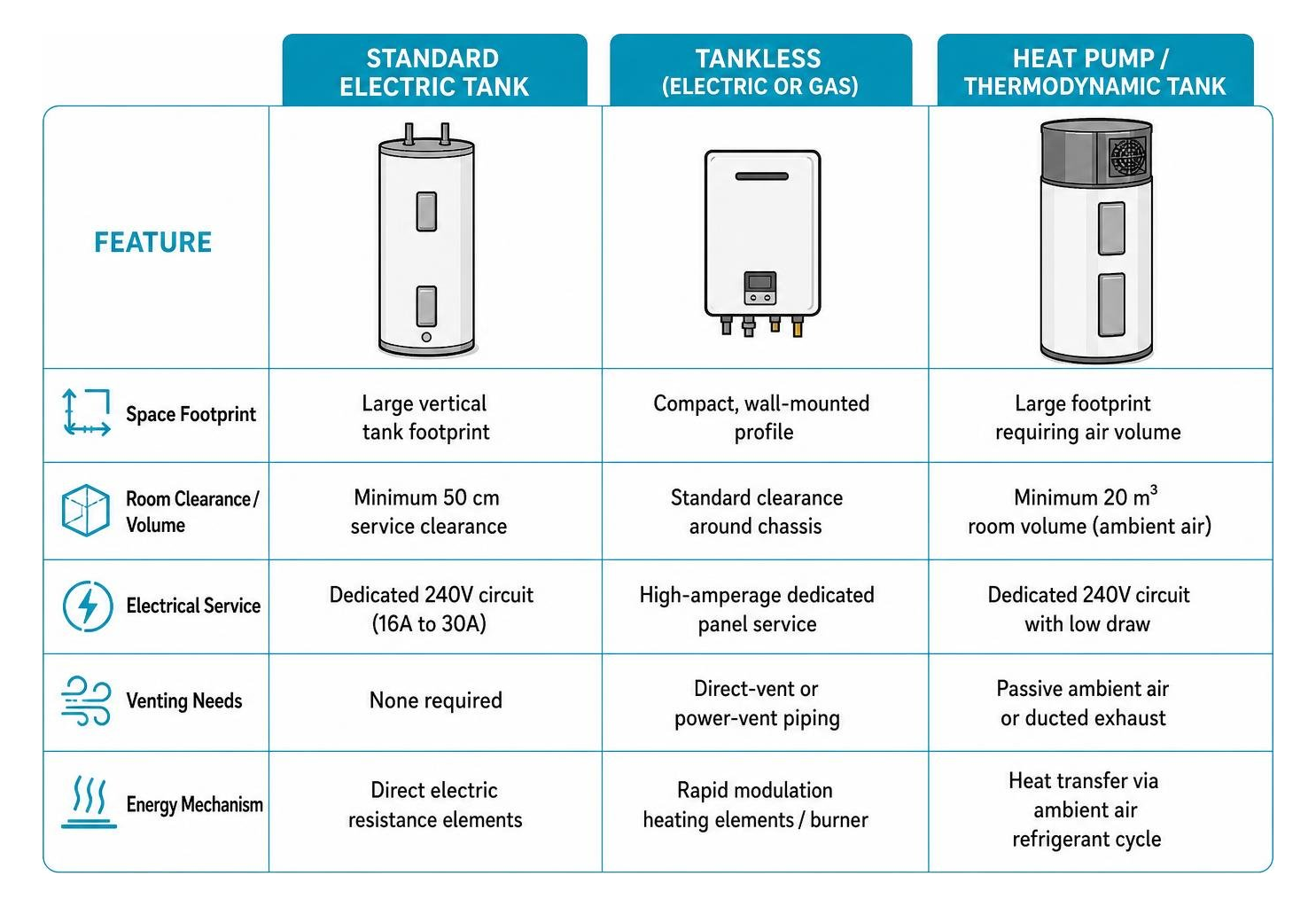
When homeowners evaluate the best residential water heater types, comparing performance parameters ensures the selected system matches both the physical floor plan and daily household demand.
| Feature | Standard Electric Tank | Tankless (Electric or Gas) | Heat Pump / Thermodynamic Tank |
|---|---|---|---|
| Space Footprint | Large vertical tank footprint | Compact, wall-mounted profile | Large footprint requiring air volume |
| Room Clearance / Volume | Minimum 50 cm service clearance | Standard clearance around chassis | Minimum 20 m³ room volume (ambient air) |
| Electrical Service | Dedicated 240V circuit (16A to 30A) | High-amperage dedicated panel service | Dedicated 240V circuit with low draw |
| Venting Needs | None required | Direct-vent or power-vent piping | Passive ambient air or ducted exhaust |
| Energy Mechanism | Direct electric resistance elements | Rapid modulation heating elements/burner | Heat transfer via ambient air refrigerant cycle |
Standard electric tank units rely on internal upper and lower heating elements. These direct-resistance elements require an uninterrupted power supply on a dedicated circuit breaker.
Thermodynamic heat pump water heaters pull warmth directly from surrounding ambient air to heat domestic water. For optimal energy efficiency, ambient-air heat pump units require an unheated utility space with a minimum volume of 20 m³ (approximately 10 m² of floor space). Without adequate room volume, the heat pump starves of thermal energy, dropping system efficiency and causing the unit to default to standard resistance heating.
Tankless water heaters heat water continuously on demand, eliminating standby heat losses entirely. However, transitioning to on-demand heating requires verification of your electrical service capacity or fuel delivery lines, along with dedicated mounting infrastructure.
Planning Your Water Heater Installation: Placement, Sizing, and Codes
Strategic planning prevents premature unit failure, code violations, and costly property damage. Every reliable installation begins with physical layout assessment, system sizing, municipal permitting, and incoming water pressure verification.

Room Placement and Clearance Standards
Proper placement ensures easy maintenance access, adequate airflow, and structural protection. Evaluating where to place a water heater tank involves maintaining a minimum of 50 cm of unobstructed service clearance around the perimeter and at least 6 inches of vertical clearance above the top cover. These clearances allow technicians to inspect electrical access panels, replace sacrificial anode rods, and test pressure relief valves without structural barriers.
Household Sizing and Capacity
Selecting the right capacity guarantees your home maintains continuous hot water during peak morning hours. Determining the right size depends primarily on the first-hour rating and your peak hot water usage. A 200-liter (approx. 50-gallon) tank typically satisfies the daily demands of a 3- to 4-person household, whereas a 300-liter (approx. 80-gallon) tank is recommended for busy homes with 4 to 6 occupants.
Water Pressure and Building Codes
Residential plumbing systems operate best when domestic water pressure remains between 50 and 60 PSI. If a municipal supply delivers incoming water pressure exceeding 80 PSI (or peaks near the 1,000 kPa maximum threshold), an upstream pressure-reducing valve (PRV) must be installed. High water pressure stresses inner tank linings, triggers temperature and pressure valves, and accelerates plumbing leaks.
Local building codes in Columbia, SC, and surrounding communities like West Columbia, SC, and Lexington, SC, require verified plumbing permits for water heating replacements. Standard code compliance mandates installing a corrosion-resistant catch pan piped to an approved drain, seismic or structural stabilization strapping where required, and dedicated emergency shut-off valves.
Overview of the Professional Removal and Installation Process
Replacing an outdated water heater involves complex interactions between high-voltage electrical circuits, pressurized water supplies, and strict building codes. Understanding the professional replacement process helps homeowners appreciate the specialized equipment, mechanical precision, and rigorous safety standards required for a reliable upgrade. When repair is still a viable option, the team can also assess the issue through professional water heater repair in Columbia, SC.

Comprehensive Assessment and Safe Decommissioning
Before physical removal begins, licensed plumbing technicians perform a thorough diagnostic assessment of the existing system. Reviewing how long water heaters typically last can help homeowners recognize when replacement may be more practical than another repair. When a unit leaks, performs inconsistently, or shows signs of tank failure, the team can determine the safest next step before removal begins.
- Electrical Isolation and Verification: Technicians isolate the dedicated circuit breaker at the main distribution panel and utilize specialized multi-meter testing instruments to verify zero voltage at the unit before handling any wiring.
- Controlled Draining and Depressurization: Technicians connect heavy-duty commercial drainage hoses to empty sediment-laden tank water safely outside while managing system vacuum relief to avoid structural suction stresses.
- Mechanical Disconnection and Safe Removal: Technicians disconnect all existing plumbing transitions, thermal bonding wires, and electrical connections before transporting the heavy, depleted cylinder with specialized lifting equipment to prevent property damage and ensure proper recycling.
Professional Equipment Setup and Integration
Once the utility space is prepared and cleared, certified technicians install the new equipment according to local municipal codes and manufacturer engineering standards.
- Platform Preparation and Leveling: The new storage tank is placed into a code-compliant safety pan and leveled precisely to prevent stress on connected plumbing joints and internal heating elements.
- Galvanic Corrosion Protection: Technicians install dielectric unions and transition fittings on supply and discharge lines. These fittings prevent electrochemical corrosion between dissimilar metals, preserving the longevity of the plumbing infrastructure.
- Temperature and Pressure Relief Safety: Certified installers install a factory-matched Temperature and Pressure (T&P) relief valve in accordance with the manufacturer’s installation instructions, extending a rigid discharge pipe to an approved drainage termination point.
- Thermal Expansion Management: On closed plumbing systems, plumbers calculate static line pressure and install a pre-pressurized thermal expansion tank to absorb natural hydraulic expansion during heating cycles.
- Secure High-Voltage Connections: A licensed technician completes the electrical wiring using UL-listed components, ensuring correct conductor sizing, proper strain relief clamps, and solid chassis grounding.
System Commissioning, Calibration, and Safety Verification
Commissioning is a multi-step verification procedure that ensures the newly installed system operates efficiently without safety hazards or premature component burnout.
- Hydraulic Filling and Air Bleeding: Technicians fill the storage vessel completely and purge air pockets from the distribution lines across the home prior to energizing any electrical circuits, preventing catastrophic dry-fire damage to heating elements.
- Leak and Pressure Diagnostics: The entire assembly is pressurized and monitored under operating conditions to confirm watertight integrity across all joints, valves, and fittings.
- Thermostat Calibration: Operating temperatures are calibrated to a safe, efficient threshold of 120 degrees Fahrenheit (49 degrees Celsius) to deliver ample hot water while guarding against scalding risks.
- Maintenance Planning: Following successful testing, technicians advise homeowners on long-term equipment care, including regular flushing and maintenance to prevent sediment accumulation and preserve energy performance.
Professional vs. DIY: Safety, Longevity, and Value
While some home improvement tasks make enjoyable weekend projects, water heater replacement involves high-voltage electricity, pressurized vessels, and municipal code requirements.
- High-Voltage Hazards: Standard electric water heaters utilize 240-volt dedicated circuits. Improper wire gauge sizing, loose bonding connections, or incorrect breaker ratings create severe electrical fire and shock hazards.
- Thermal Pressure Spikes: Water expands as it heats. A malfunctioning T&P relief valve or an unaddressed closed-loop system can cause pressure spikes, damaging fixtures and risking tank ruptures.
- Property Flooding: A single failed fitting can discharge hundreds of gallons of water into finished basements, attics, or crawl spaces before discovery.
- Warranty Protection: Leading manufacturers frequently condition their multi-year tank and parts warranties on certified professional installation.
If safety concerns arise, specialized tools are required, you are unsure about any installation phase, or complex plumbing and electrical systems are involved, always contact a licensed plumbing professional.
Factors That Influence Water Heater Installation Cost
The overall investment for a water heating upgrade varies based on site-specific factors rather than a single fixed number:
- Capacity and Energy Class: Larger tanks and high-efficiency hybrid heat pump models reflect higher initial manufacturing investments that balance out through long-term energy savings.
- Plumbing and Electrical Retrofitting: Older homes in Cayce, SC, or Forest Acres, SC, may require electrical service panel upgrades, new dedicated circuit wiring, or replacement of corroded galvanized supply lines.
- Safety Additions: Adding code-mandated safety pans, thermal expansion tanks, and pressure-reducing valves ensures system protection.
- Permitting and Municipal Inspections: Permitting fees ensure an independent city inspector certifies all connections adhere to local safety codes.
Understanding the broader variables detailed in the water heater installation cost guide for Columbia, SC helps homeowners plan their replacement budget with confidence.
Frequently Asked Questions About Water Heating Upgrades
How long does an installation visit typically take?
A direct, same-location replacement of a standard electric tank generally takes between 1 and 2 hours for a licensed plumbing crew. If the installation requires rerouting water lines, installing a new thermal expansion tank, updating older wiring, or converting fuel sources, the visit can take up to 4 hours.
Why is a thermal expansion tank required?
When water heats from incoming temperatures to 120°F, it expands in volume. Modern plumbing systems feature check valves or backflow preventers, creating a closed system. The thermal expansion tank absorbs this expanded water volume against an internal pressurized bladder, preventing destructive pressure spikes across your plumbing fixtures and water heater tank.
Can an existing tank system be upgraded to tankless?
Yes, but upgrading requires evaluating your home’s infrastructure. Tankless gas systems need properly sized gas delivery lines and dedicated venting systems, while electric tankless units require substantial electrical service panel capacity.
What size electrical circuit does an electric water heater require?
Most residential electric water heaters require a dedicated 240-volt, 30-amp circuit wired with 10-gauge copper wire. Some smaller or point-of-use units may operate on a dedicated 16-amp or 20-amp breaker, but wire gauge and breaker capacity must always match the unit’s rating plate specifications.
How often should the sacrificial anode rod be inspected?
The sacrificial anode rod inside the storage tank attracts corrosive minerals, protecting the inner steel lining. Technicians recommend inspecting the anode rod every 2 to 3 years and replacing it once more than 50% of the core wire becomes exposed.
What is the ideal water pressure for a residential water heater?
Ideal residential water pressure ranges between 50 and 60 PSI. If your home’s static water pressure exceeds 80 PSI, a licensed plumber must install an upstream pressure-reducing valve to protect your water heater, appliances, and pipe joints from premature failure.
Why does the temperature and pressure relief valve drip?
A slight drip from the T&P relief valve during the first heating cycle can happen as water expands inside a closed system without an expansion tank. However, continuous dripping indicates excessive water pressure, high water temperatures exceeding 210°F, or mineral buildup preventing the valve seat from closing tightly.
What is the recommended temperature setting for a residential water heater?
The recommended setting is 120°F (49°C). This level provides sufficient hot water for dishwashing and showers while preventing scald injuries and reducing standby energy losses.
How do I know if my water heater needs repair or replacement?
If the unit is under 8 years old and experiences an isolated component failure, such as a tripped reset button, broken thermostat, or failed heating element, repair is usually cost-effective. If the storage tank is over 10 years old, displays active structural leaks, or produces rust-colored water, replacing the system is the smarter long-term investment.
Can an electric water heater be installed in an unheated space?
Standard electric tanks can be installed in garages, basements, or utility rooms, provided the space remains above freezing temperatures. In unheated areas, insulating exposed hot water pipes helps prevent standby heat loss and protects exposed lines during winter cold snaps.
Conclusion
Upgrading your home’s water heating system provides reliable hot water, improved energy efficiency, and peace of mind against leaks and electrical hazards. From sizing the storage tank and evaluating room clearances to connecting dielectric fittings, setting safety relief valves, and commissioning heating elements, every phase of installation requires trained mechanical expertise.
For homeowners in Columbia, SC, West Columbia, SC, Irmo, SC, Lexington, SC, and surrounding communities, Franklin Plumbing & Drain Cleaning delivers prompt, code-compliant plumbing solutions backed by our 100% satisfaction guarantee. When you are ready for a worry-free upgrade, contact our professional water heater installation technicians.

professional
drain cleaning

highly
recommended

through
repairs

quality
work